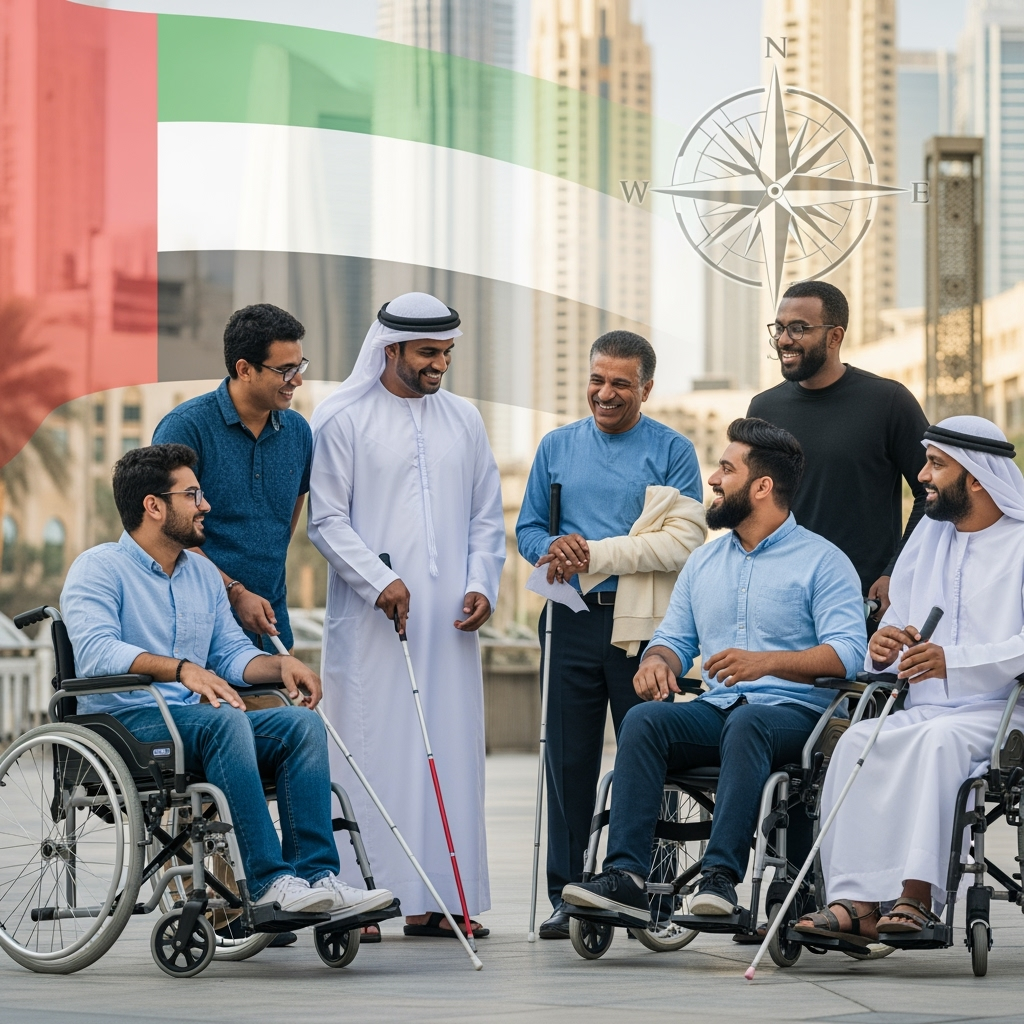
The UAE is making remarkable progress towards a fully inclusive society for individuals with disabilities, focusing on both education and employment.
Sharjah recently hosted Inclusion International’s 18th World Congress, “We Are Inclusion 2025,” marking a historic event in the UAE from September 15 to 17. Experts highlighted the comprehensive legal frameworks and strategic initiatives that are facilitating greater inclusion and empowerment.
Inclusive Education
The UAE has developed an extensive legal and policy framework to ensure all children, regardless of ability, have the right to education. Federal Law No. 29 of 2006 ensures educational rights for individuals with disabilities, while Ministerial Decision No. 647 of 2020 reinforces the nation’s dedication to inclusive education in both public and private institutions.
Stay informed with the latest updates. Follow KT on WhatsApp Channels.
“Inclusive education involves more than placing students with disabilities in mainstream classrooms,” explained Duaa Mohammed, Supervisor of the Inclusive Education Unit at SCHS. “It’s about transforming the entire educational system to address the diverse needs of all learners by adapting curricula, modifying learning environments, and providing necessary support for every child to succeed.”
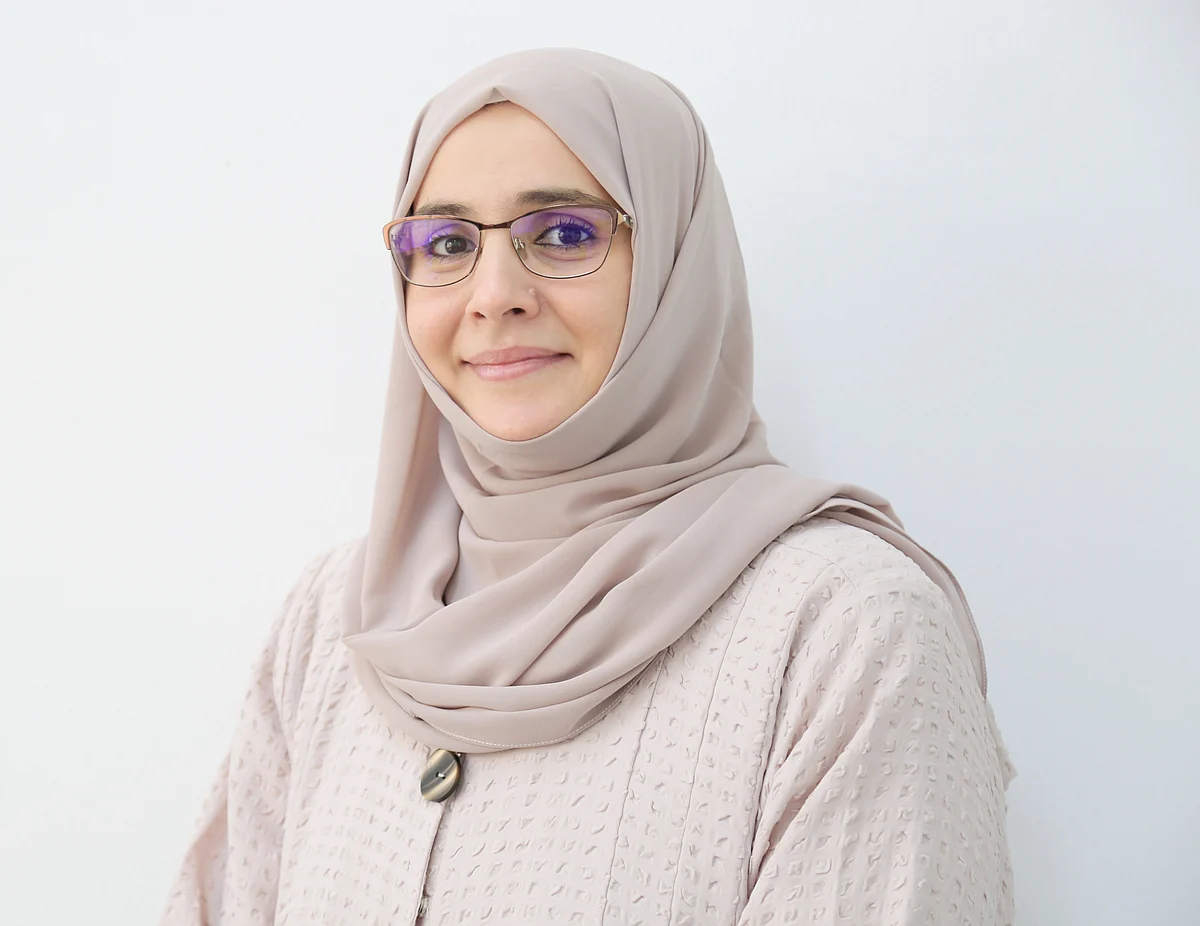
Duaa Mohammed
Strategic Solutions
While the legal framework for inclusive education is robust, its implementation faces challenges.
Challenges include varying school readiness levels, the need for specialized resources, and ongoing teacher training.
To overcome these hurdles, UAE education authorities have introduced various strategies, such as:
-
Teacher training and professional development: Equipping educators with skills for differentiated instruction, Individualized Education Programs (IEPs), and effective use of assistive technology.
-
Tiered support systems: Offering a range of support from universal interventions for all learners to targeted assistance for those with specific needs.
-
Parent and community engagement: Building strong partnerships with families and communities to create a supportive environment for inclusive education.
A Vision for the Future
Looking forward, the focus shifts to measuring the actual impact of inclusive education on students with disabilities’ lives.
“We envision every child with a disability accessing education and thriving in post-school life, whether in higher education or employment,” Mohammed stated. “This vision requires continuous innovation, collaboration, and a steadfast focus on quality and equity.”
Paving the Way for Inclusive Employment
Alongside educational efforts, the UAE is advancing inclusive employment for individuals with disabilities.
The Masarat Centre for Development and Empowerment, part of Sharjah City for Humanitarian Services, leads these initiatives, bridging the gap between job seekers with disabilities and potential employers.
“Our aim is to empower individuals with disabilities towards economic independence and societal contribution,” Mohammed said. “We achieve this through services like vocational training, career guidance, job placement, and ongoing support.”
The Masarat Centre has successfully placed over 360 individuals with disabilities in jobs across Sharjah and the UAE.
This success underscores the center’s comprehensive approach, including:
-
Employer engagement: Collaborating with employers to raise awareness, dispel misconceptions, and foster more inclusive workplaces.
-
Tailored training programs: Providing job seekers with necessary skills and qualifications for success in the modern workforce.
-
Ongoing support: Offering continued support to both employees and employers, including workplace accommodations, mentorship, and career development opportunities.
A Call for Continued Collaboration
Mohammed Abdul Reda Hussein Shalwani, Head of the Employment Department at Masarat Centre, emphasized the need for ongoing collaboration between public and private sectors to promote inclusive employment. “There is growing interest from employers in hiring individuals with disabilities, and we aim to build on this momentum,” he said. “Through collaboration, we can create a job market where everyone can achieve their potential.”
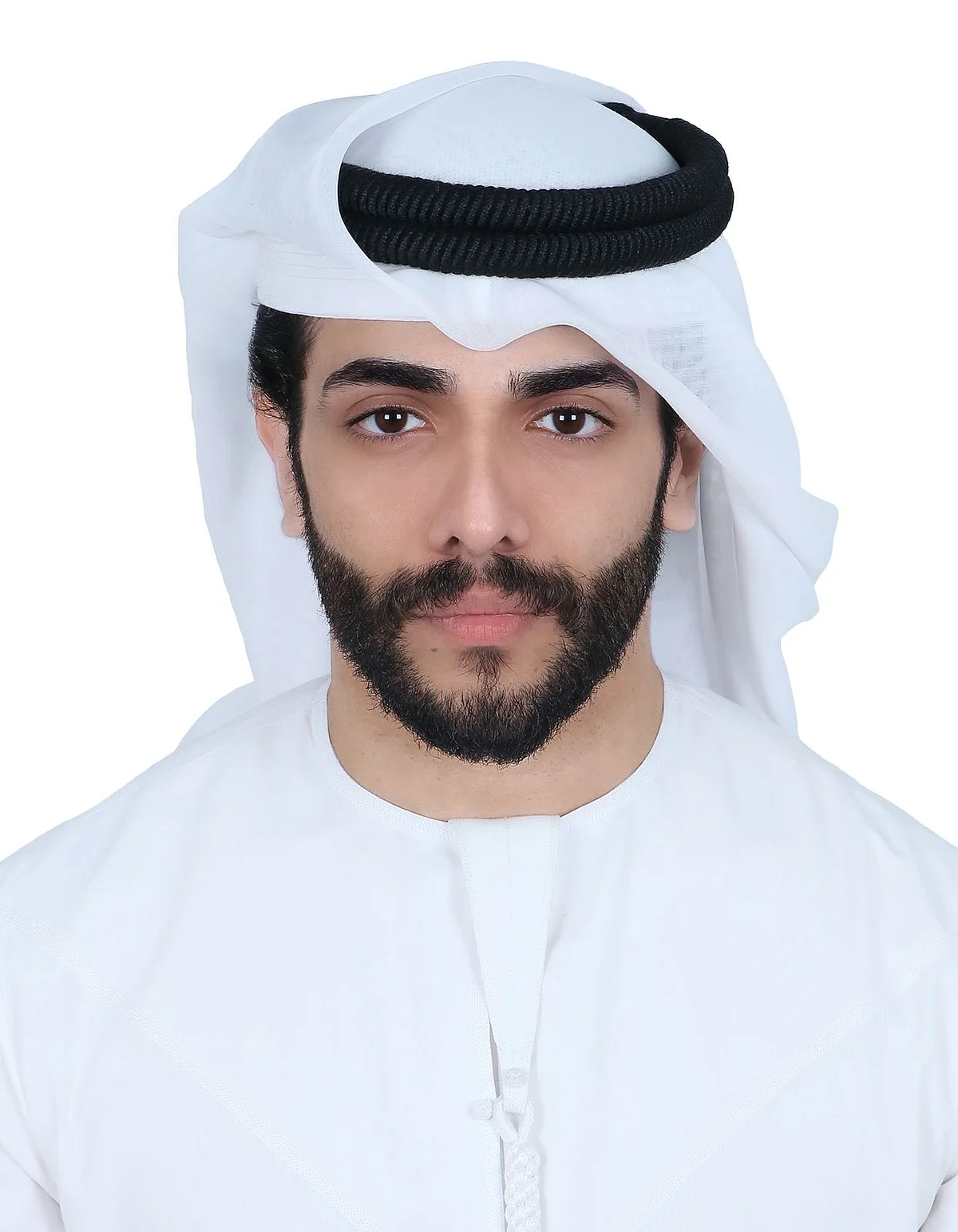
Mohammed Abdul Reda Hussein Shalwani
In line with the UAE’s wider digital transformation agenda, both educational and employment services for individuals with disabilities are being modernized.
The Masarat Centre is transitioning to smart and automated systems, simplifying access to services for job seekers with disabilities without requiring multiple office visits or traditional procedures.
“We are committed to streamlining processes and enhancing service accessibility,” Shalwani explained. “This digital transformation is about more than efficiency; it’s about dignity and empowerment. Easy, independent access to services reinforces individuals’ agency and self-worth.”
A Model for the Region
The UAE’s comprehensive approach to inclusive education and employment is increasingly seen as a model for the region and beyond.
By combining strong legal frameworks with practical strategies, the nation demonstrates that true inclusion is both feasible and beneficial for society as a whole.
“Inclusive environments benefit everyone,” Mohammed noted. “Students without disabilities learn empathy and acceptance, while employers find that employees with disabilities bring unique perspectives, strong work ethics, and high loyalty.”
These discussions occurred at the “We Are Inclusion 2025” event hosted by Sharjah City for Humanitarian Services, gathering over 500 participants from more than 74 countries to share stories and learn about creating a world where everyone belongs.