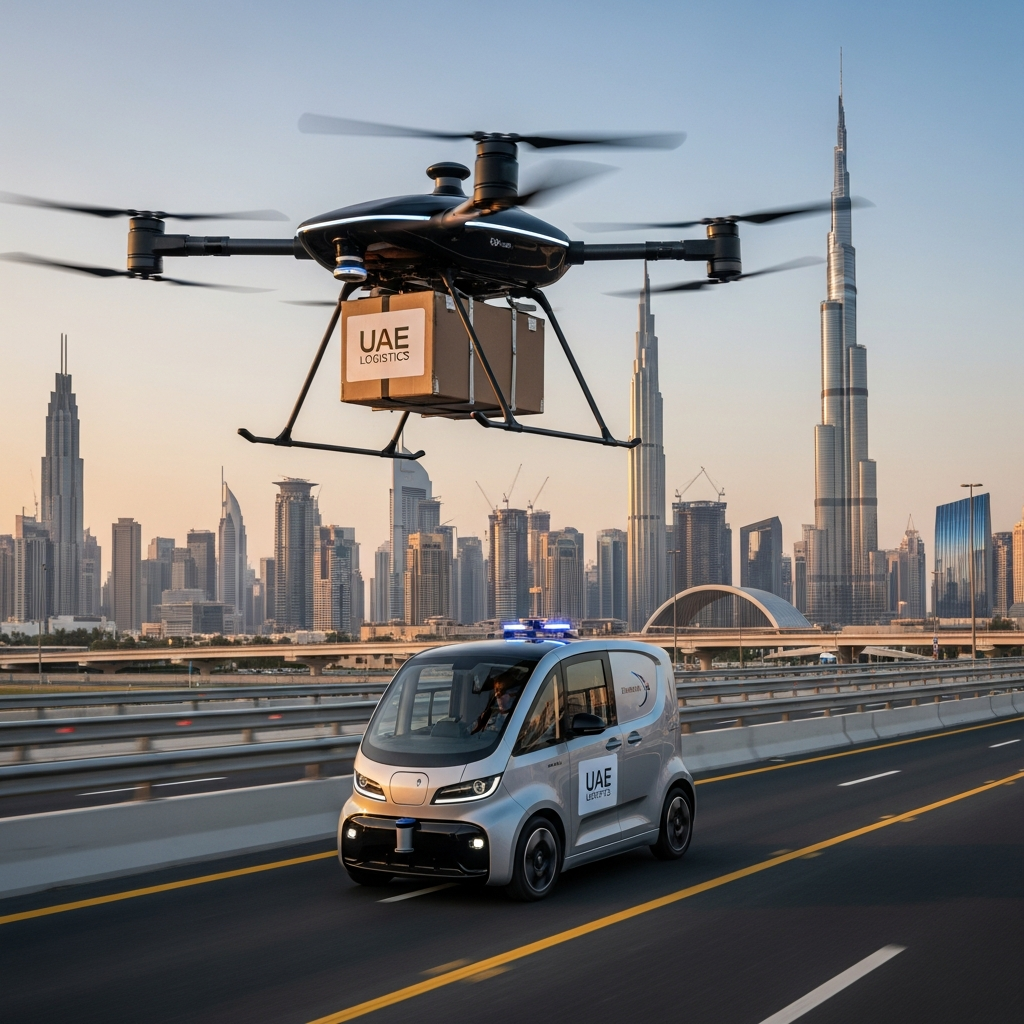
The UAE is rapidly advancing in autonomous mobility and logistics, outpacing many global markets due to robust regulations, digital strategies, and a focus on sustainable infrastructure. As it pushes towards a fully connected mobility system, autonomous delivery is at the forefront of its logistics evolution. Leading this transformation, talabat and noon Minutes are piloting solutions that align with the UAE’s smart city goals.
For talabat, drone delivery is part of a broader effort to create efficient, low-emission last-mile systems aligned with the UAE’s mobility ambitions. May Youssef, Senior Director of Communications, Public Affairs, and Sustainability at talabat, states that drones support the UAE’s autonomous transport objectives and meet the expectations of a growing customer base. “Drone delivery is crucial for advancing the UAE’s smart and sustainable logistics vision. It enhances existing networks with a low-emission model and supports the country’s autonomous mobility goals,” she explains.

May Youssef, Senior Director for Communications, Public Affairs and Sustainability at talabat.
Talabat has been involved in autonomous delivery since 2023 with the launch of talabots, in partnership with the Roads and Transport Authority and the Dubai Integrated Economic Zones Authority. This project provided insights into how autonomous systems operate within communities and infrastructure.
“Our current drone pilot is the next step,” Youssef adds, highlighting its integration with regulated aerial routes and smart infrastructure.
Facing Operational Challenges Deliberately
Drone delivery presents complexities like safety, regulatory approvals, airspace management, and environmental factors. Talabat’s pilot phase is essential for responsibly testing these aspects. “The main challenge of new technology is ensuring safety, reliability, and scalability in urban settings,” Youssef says. Coordination with aviation authorities and addressing weather unpredictability are key learning components.
These challenges justify the pilot phase, aimed at building evidence and confidence before expanding publicly.
Talabat plans to introduce drone delivery in select Abu Dhabi communities after trials and approvals. “Our approach prioritizes responsible innovation over rapid expansion,” Youssef emphasizes, focusing on sustainability and operational readiness.

Gianluca Marchiori, Vice President of Logistics at noon Minutes.
Noon Minutes views autonomous delivery as an extension of its commitment to faster, consistent, and sustainable service. Gianluca Marchiori, Vice President of Logistics at noon Minutes, sees autonomous technology as aligning with the UAE’s goals and expanding their reach.
“Autonomous delivery is the next step for us. Our goal remains to make delivery faster, greener, and more reliable in the UAE,” he says.
Noon’s pilot work reveals technology alone isn’t enough; success depends on integration with existing logistics infrastructure.
“The tech must fit into the broader ecosystem. Human judgment supported by intelligent systems is crucial for effective autonomous delivery,” Marchiori explains.
Faster Service for More Communities
Noon considers autonomous delivery a means to extend its rapid-delivery promise to harder-to-reach areas like emerging districts, islands, and farms, broadening geographic reach without losing consistency.
“Across the UAE, including remote places, people will receive the reliable, fast delivery experience they expect,” Marchiori says. Noon anticipates more fifteen-minute-or-less deliveries as autonomous systems mature.
For 2026, the focus is clear: expand accessibility using autonomous technologies. “Our goal is for customers across the UAE, including remote areas, to get faster and more dependable deliveries,” he states.
A Glimpse into UAE’s Future Logistics
The increasing use of autonomous systems by talabat and noon reflects the UAE’s broader mobility vision. The UAE is a regional leader in tech-driven logistics, and these pilots suggest what the next decade might bring. Drones, robots, automated hubs, and intelligent route systems could form a hybrid delivery network designed for scale, speed, and sustainability.
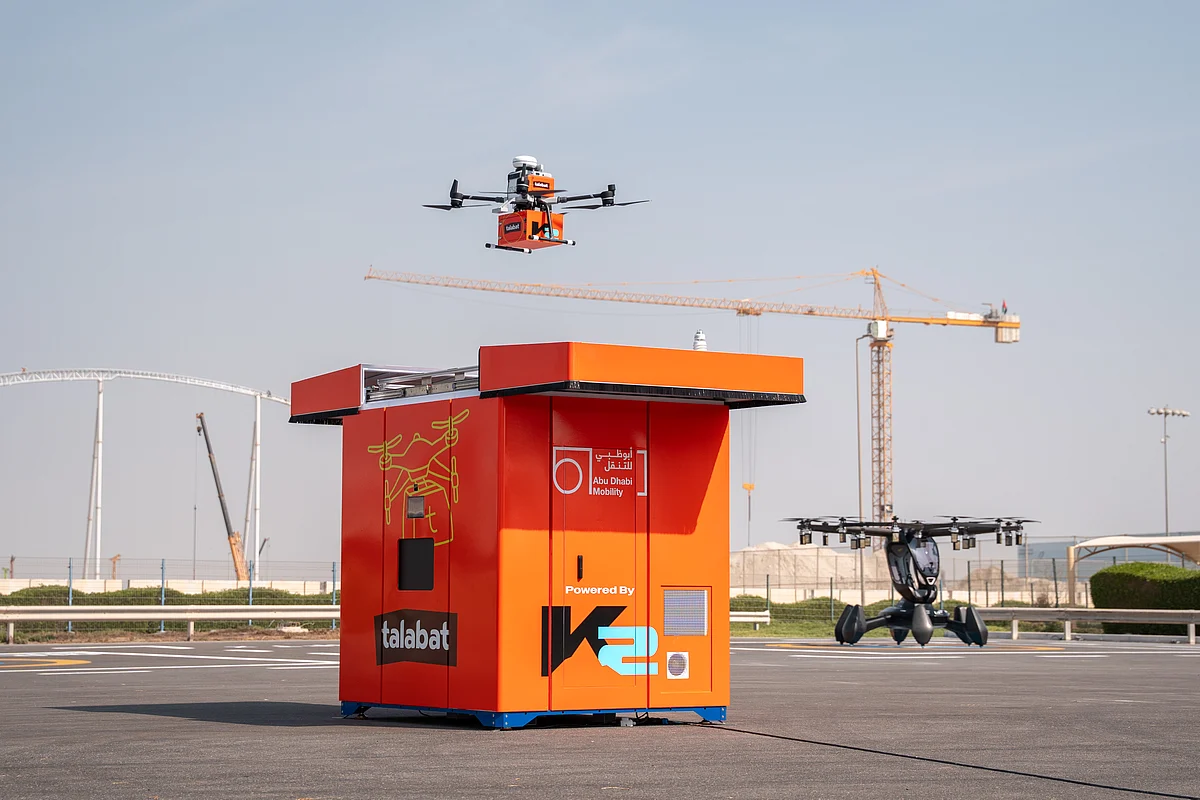
Both companies share a measured, responsible approach. The pilots aren’t rushed, the ambition is balanced, and the direction aligns with national strategy.
As the UAE envisions its next phase of digital and economic growth, autonomous delivery emerges as a significant step forward. Operators who understand customer behavior and operational demands can redefine daily life across the Emirates.
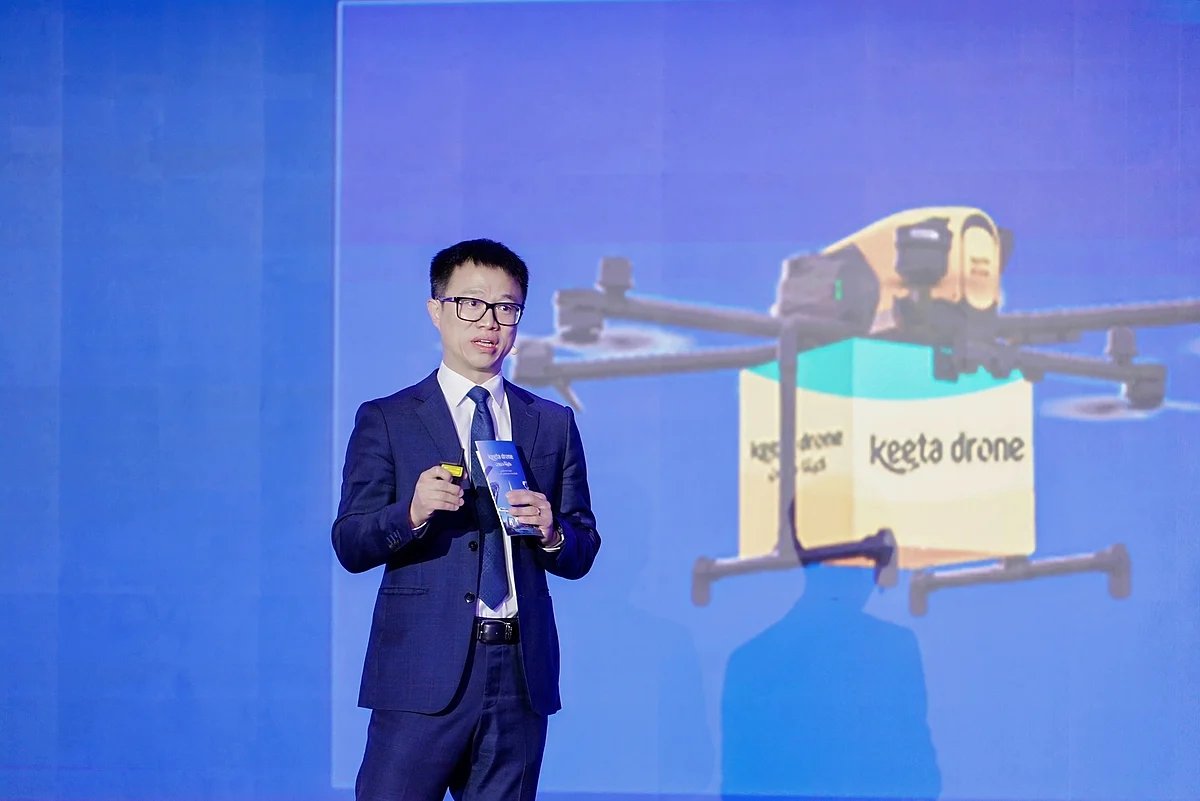
Dr Yinian Mao, Vice President of Meituan and President of Keeta Drone.
Keeta Drone: Expanding Dubai’s Low-Altitude Economy
Keeta Drone is pivotal in shaping Dubai’s large-scale autonomous aerial delivery. The company received Dubai’s first Beyond Visual Line of Sight commercial drone delivery license in 2024, a major step in building a regulated low-altitude logistics network.
Keeta has established operational routes in Dubai Silicon Oasis, using advanced drones and ground units for fast, contactless, low-emission delivery. In October, they expanded with a new corridor in Nad Al Sheba, under Dubai Civil Aviation Authority’s regulatory framework. This route links restaurants at Nad Al Sheba Avenue Mall to a landing point at Nad Al Sheba Grand Mosque, showcasing seamless drone delivery integration in residential areas.
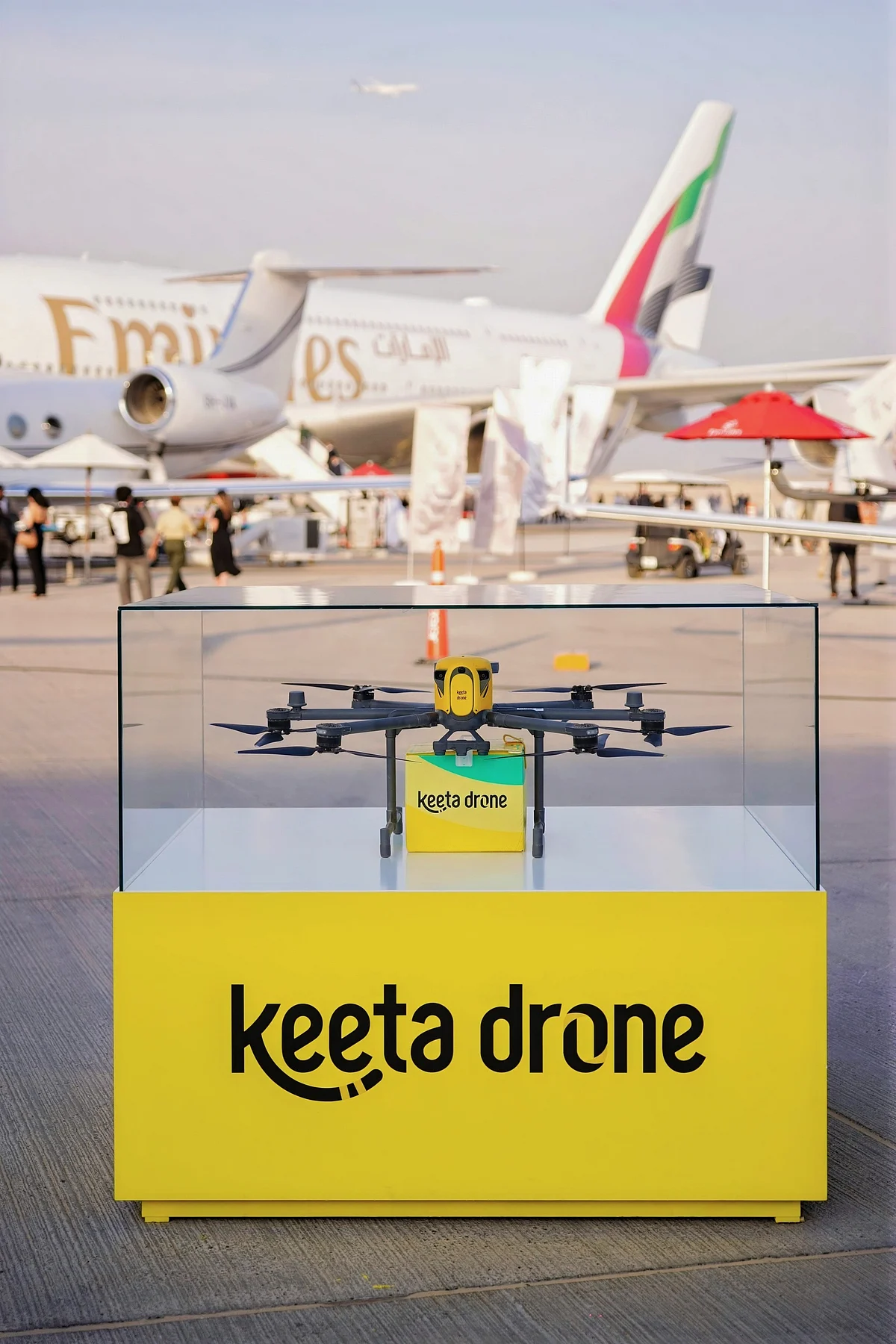
During the 2025 Dubai Airshow, Dr Yinian Mao praised Dubai’s policy leadership, calling it a global hub for low-altitude innovation. He credited Dubai’s rapid decision-making for choosing it as Keeta’s first international base.
Keeta has designed its aircraft for Dubai’s extreme climate and built an AI simulation system to ensure safety and scalability. Keeta plans to integrate its drone network with the Keeta platform, offering more options to local communities. Their ambition aligns with Dubai’s goal to cover 70% of the city with drone delivery routes by 2030.