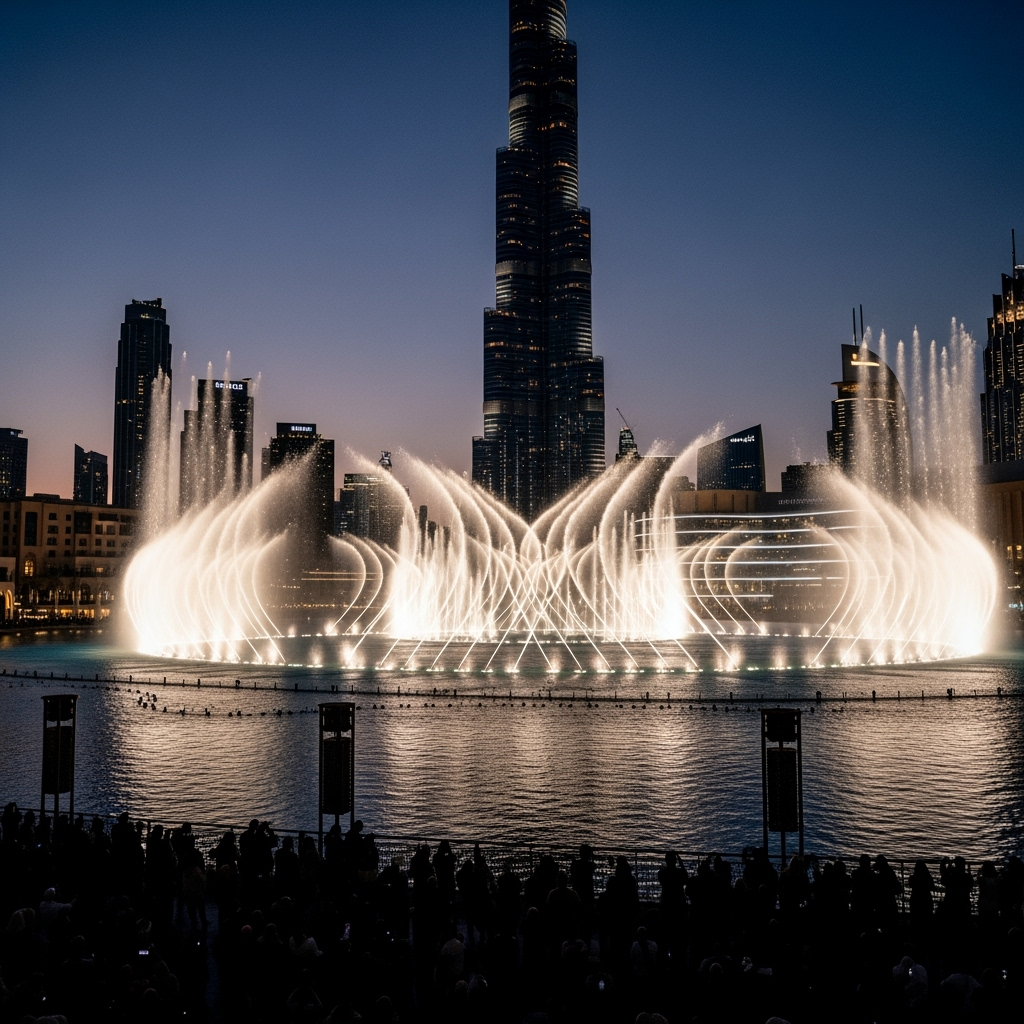
As UAE students returned to the classroom this academic year, a new, stricter policy on school uniforms and personal appearance took effect, including a prohibition on makeup and nail polish.
The Ministry of Education (MoE) implemented these regulations because many students wear makeup in the mornings, ranging from light to heavy applications, often exceeding simple lip balm or a hint of blush.
Dermatologists and mental health experts emphasize that this decision addresses deeper issues, including skin health, acne, self-confidence, peer pressure, and body image among teenagers.
Stay informed with the latest updates. Follow KT on WhatsApp Channels.
Developing skin sensitivity
Dr. Shahrzad Mojtabavi Naeini, a dermatologist at International Modern Hospital in Dubai, told Khaleej Times that adolescence is a particularly sensitive time for skin development.
“From a dermatology perspective, regular makeup use should ideally be delayed until around 15–16 years old, when the skin becomes stronger and less reactive,” she explained.
“Occasional use for special events is acceptable at a younger age, but frequent application may irritate sensitive skin,” she added.
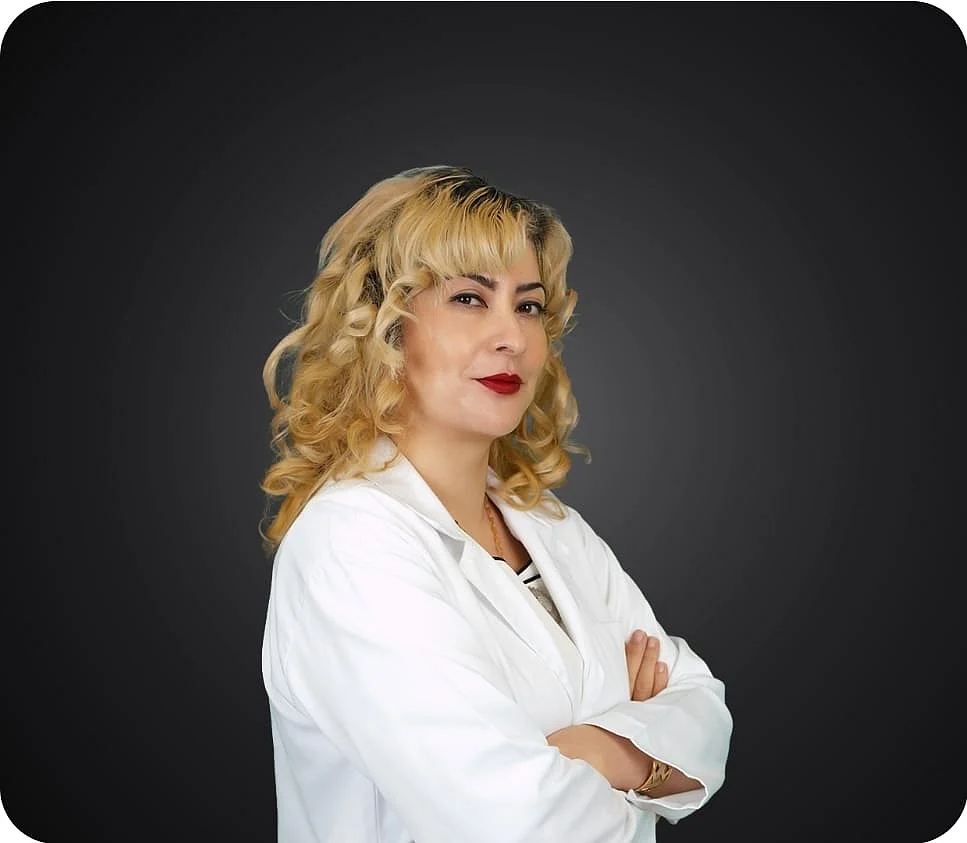
Photo: Dr Shahrzad Mojtabavi Naeini
She noted that lighter products, like tinted lip balms or eyeliner, rarely harm the skin. In contrast, heavier products such as foundation, concealer, and contouring creams can clog pores, increase oiliness, and worsen acne.
Hormonal changes and pore blockage
Dr. Asmaa Al Khatib, a dermatologist at Quttainah Specialized Hospital, explained to Khaleej Times that adolescent skin is thinner, more sensitive, and more active in oil production, making it susceptible to clogged pores.
“Hormonal changes during puberty increase sebum production, so any pore blockage from cosmetics can lead to faster acne development,” she explained.
She mentioned that heavy makeup can trigger acne breakouts, skin irritation, or even premature aging if not properly removed.
“Dermatologists generally recommend waiting until the late teenage years for regular makeup use. Occasional light use for special events is typically safe if the products are gentle and properly removed.”
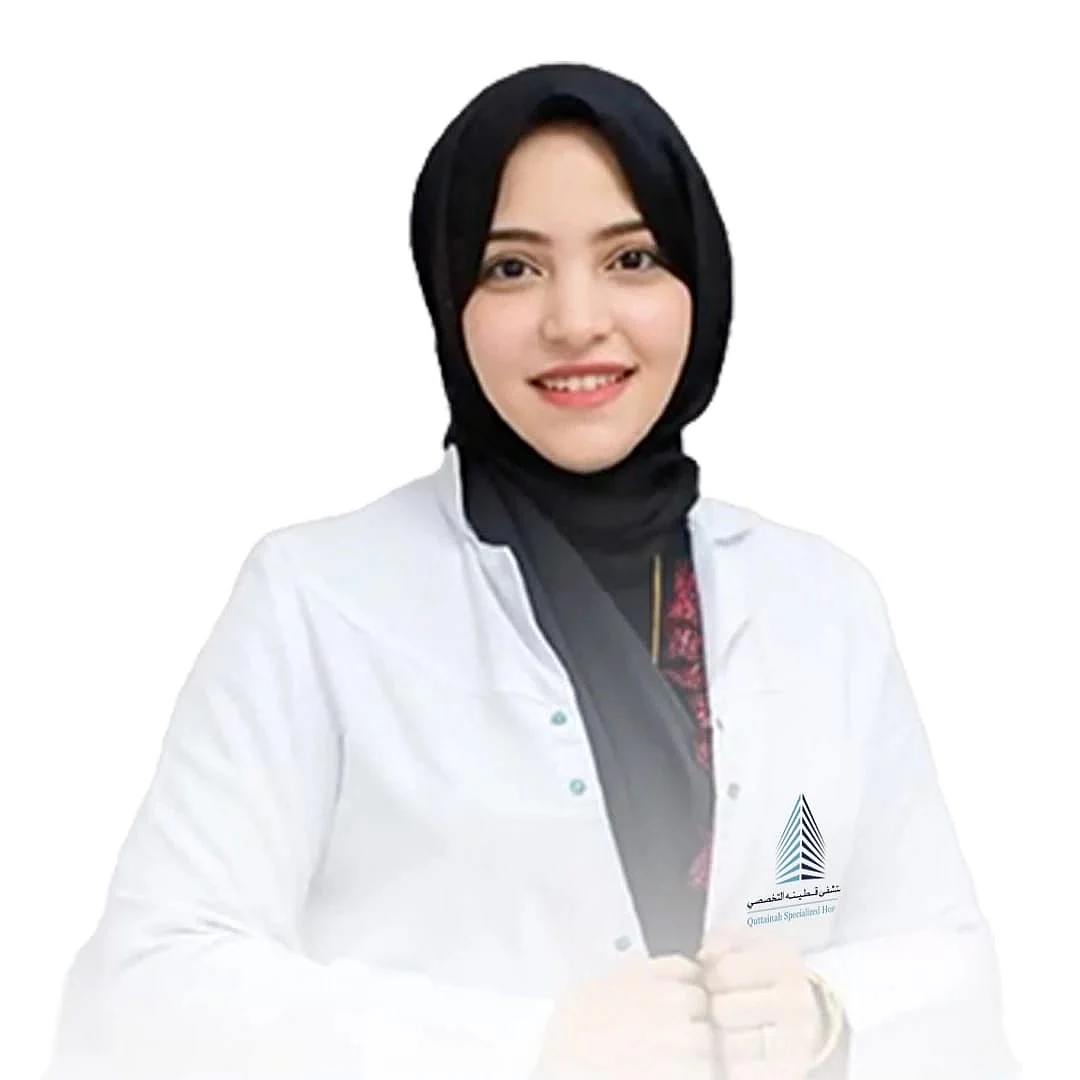
Photo: Dr Asmaa Al Khatib
Emotional and social influences
Makeup in schools is not only a dermatological concern; it is also closely linked to social and psychological factors.
The makeup ban in schools goes beyond a simple uniform rule; it serves as a reminder that adolescence is a crucial time for nurturing both healthy skin and a positive self-image.
Dr. Sudhanthira Devi Ramdoss, a psychiatrist at Aster Hospital in Qusais, told Khaleej Times that many young girls use makeup to enhance their appearance, boost their confidence, or conceal imperfections.
“Some view makeup as a way to feel more feminine or attractive, while others use it to express their creativity and identity,” she explained.
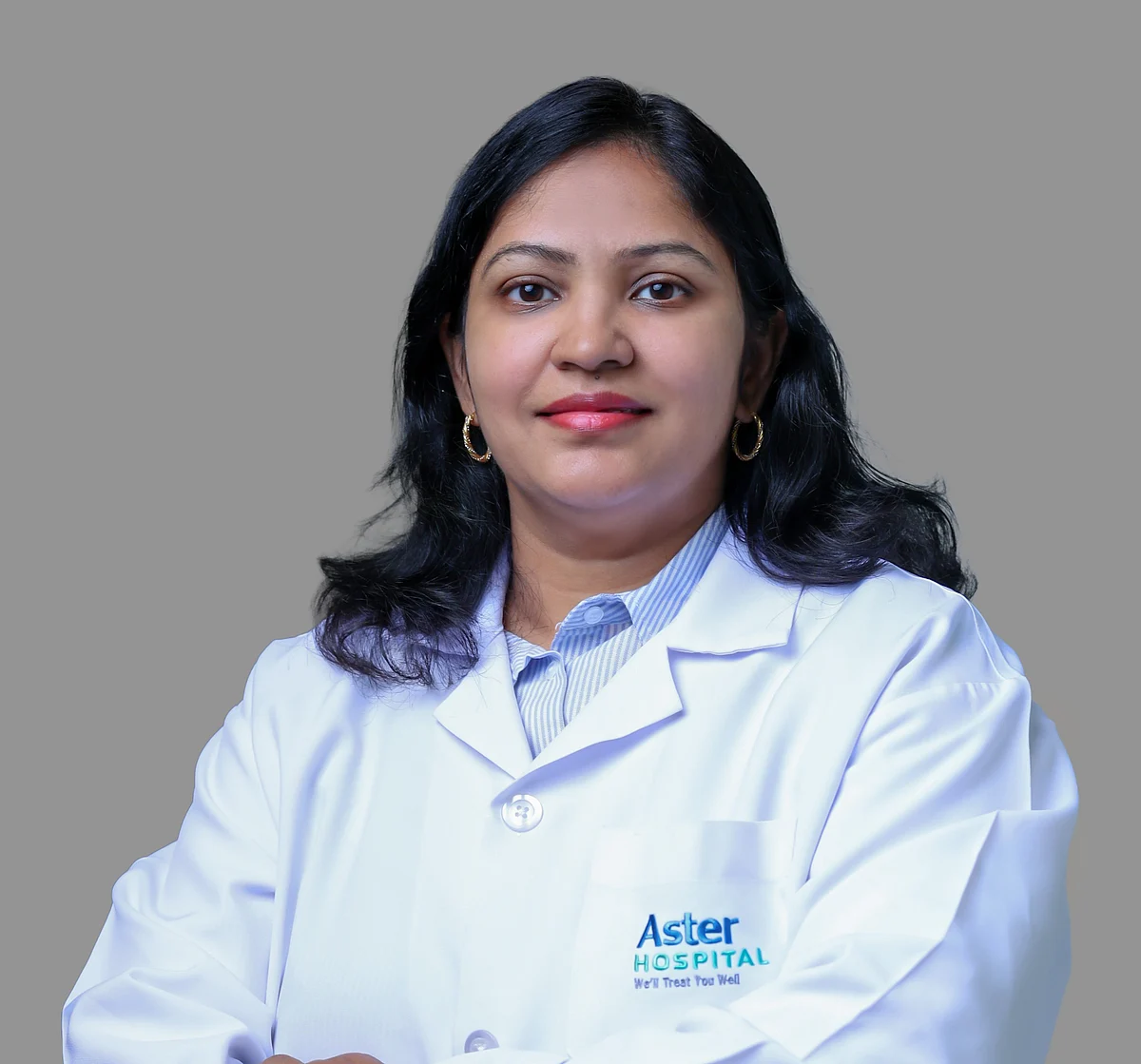
Photo: Dr Sudhanthira Devi Ramdoss
She added that social media, peer groups, and even family influence play a significant role.
“Early makeup use can sometimes signal underlying emotional or social pressures,” she warned. “Low self-esteem or pressure to conform to societal beauty standards may lead girls to rely heavily on cosmetics at a young age.”
Balancing guidance
While school rules may seem restrictive, they help protect skin health. However, at home, parents can allow light, age-appropriate products for special occasions, providing teenagers the chance to explore without overexposure.
Experts acknowledge that parents play a vital role in guiding their daughters through this phase. They recommend parents:
– Choose products labeled non-comedogenic, fragrance-free, and hypoallergenic.
– Avoid cheap, unregulated brands and teach children the importance of removing makeup every night with a gentle cleanser.
– Consider lighter alternatives like tinted moisturizers with SPF, mineral powders, or dermatologist-tested lip balms as safer choices.
– Teach children that makeup is a tool for self-expression, not a measure of beauty or self-worth.
– Encourage them to value their natural appearance and see makeup as optional, not essential.
School uniform policies
The MoE has set guidelines for school uniforms and student appearance, emphasizing their role in promoting national and educational values. Continuous monitoring will ensure adherence to these guidelines.
– Students must wear approved school uniforms, keeping them neat, tidy, and clean.
– Flat black shoes or black sneakers with white socks are required. Sneakers are allowed only during sports classes or extracurricular activities.
– Hairstyles should conform to local standards and be of natural color.
– Female students in the third cycle must wear a black shayla with their uniforms.
– White clothing under Emirati kanduras is required, along with formal or sports shoes; an optional head scarf may also be worn.
– Students must wear sports uniforms during designated sports classes. Nail polish and makeup are prohibited.