
The ‘Zero Bureaucracy’ initiative is set to profoundly impact economic activity by enhancing efficiency, boosting productivity in both public and private sectors, and elevating the UAE’s GDP, as per experts.
Economists and business leaders emphasize that this program underscores the UAE Government’s dedication to creating a vibrant business climate while ensuring citizen welfare. It simplifies business operations and instills confidence in investors seeking regulated licenses in the UAE.
“The elimination of bureaucracy in the UAE greatly facilitates new company registrations, making it a prime location for entrepreneurs and investors. Streamlined government processes expedite application handling,” an economist noted.
UAE Draws Investors
Recent statistics reveal a preference among investors and entrepreneurs to establish businesses in the UAE due to stable government policies, superior infrastructure, a favorable business environment, and initiatives like zero bureaucracy.
The Abu Dhabi Chamber of Commerce and Industry reported a 4.9% rise in its membership during the first half of 2025, exceeding 158,000 companies, a sign of burgeoning business optimism. Key sectors attracting attention include agriculture, arts, and technology.
Shamis Ali Al Dhaheri, Second Vice-Chairman and Managing Director of ADCCI, remarked that these stats highlight the pivotal role of the private sector in Abu Dhabi’s rapid growth. “The increase in memberships across sectors such as agriculture, modern technologies, and arts reflects the broad impact of the emirate’s ambitious development agenda,” he added.
Sultan bin Saeed Al Mansoori, Chairman of the Dubai Chamber of Commerce and Industry, noted that the first-half outcomes underline Dubai’s stature as a global hub for trade and investment, with its integrated business ecosystem reinforcing national economic confidence.
Dubai Chamber of Commerce documented 35,532 new member companies in the first half of 2025, a 4% increase year-on-year, while member exports and re-exports surged 18% to Dh171.9 billion ($46.8 billion).
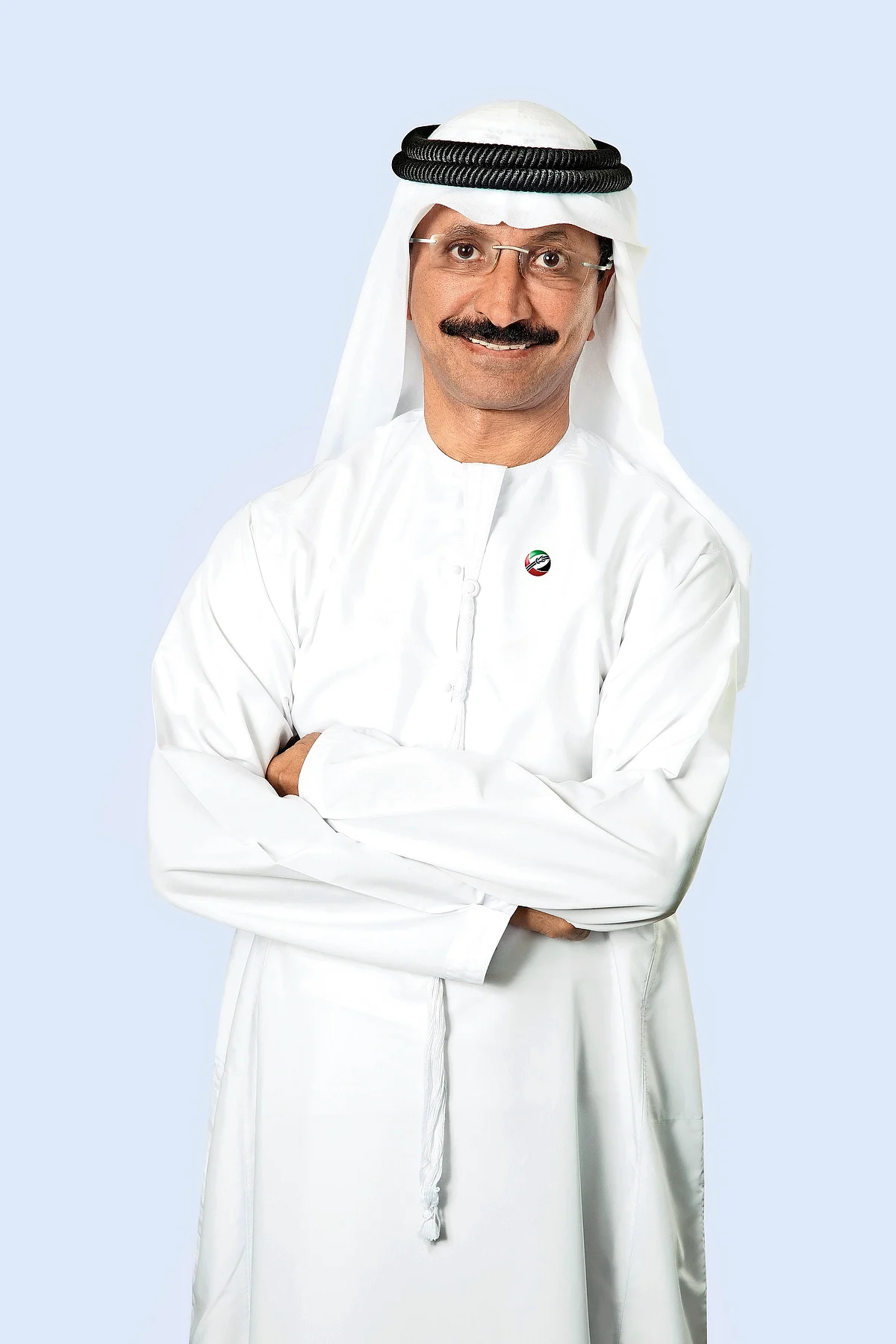
Sultan Ahmed bin Sulayem, Chairman of Dubai International Chamber, stated that its global network of representative offices significantly attracts entrepreneurs, investors, and multinational companies.
Dubai International Chamber reported a 138% increase in companies under its jurisdiction, drawing 143 companies during the period. Sultan Ahmed bin Sulayem explained that Dubai International Chamber’s global network of representative offices plays a crucial role in attracting entrepreneurs, investors, and multinational companies.
“We are steadily advancing Dubai’s position as a top choice for foreign direct investment and a launchpad for companies aiming for international expansion. This is driven by Dubai’s competitive advantages, including world-class infrastructure, a pro-business regulatory environment, and its strategic location connecting global markets.”
Aiming for Zero Bureaucracy
Similarly, the Sharjah Chamber of Commerce and Industry (SCCI) experienced robust growth in key metrics during January-June 2025, reporting over 37,000 new memberships and renewals, a growth of over 12% from 2024’s 33,000 memberships.
Abdallah Sultan Al Owais, Chairman of SCCI, stated that the membership surge in the first half of 2025 attests to the growing investor confidence in Sharjah’s business environment.
The Securities and Commodities Authority (SCA) also noted exceptional growth in the first half of 2025, with a 55% increase in new licenses issued and a 60% rise in total licensed companies from the same period in 2024. Licensed local investment funds grew by 79%, contributing to a 230% increase in total assets under management.
“Globally, bureaucracy is a challenge, but the UAE stands out with minimal bureaucracy. The UAE government’s zero bureaucracy initiative is set to attract significant global FDI,” said Atik Munshi, Managing Partner at Finexpertiza UAE.
His Highness Sheikh Mohammed bin Rashid Al Maktoum, Vice-President and Prime Minister of the UAE and Ruler of Dubai, launched the second phase of the Zero Government Bureaucracy program in June, aimed at simplifying and accelerating government services.
The second phase will further eradicate digital bureaucracy, optimizing online processes and applications through modernized digital systems and AI integration.
The program will also eliminate unnecessary procedures and services, reduce redundancies, and remove non-essential requirements.
Launched in November 2023, the first phase aimed to cut 2,000 government procedures, but exceeded this by eliminating over 4,000, reducing service times by over 70%, and saving customers over 12 million hours. It streamlined 200 million annual transactions, saving Dhs1.12 billion annually.
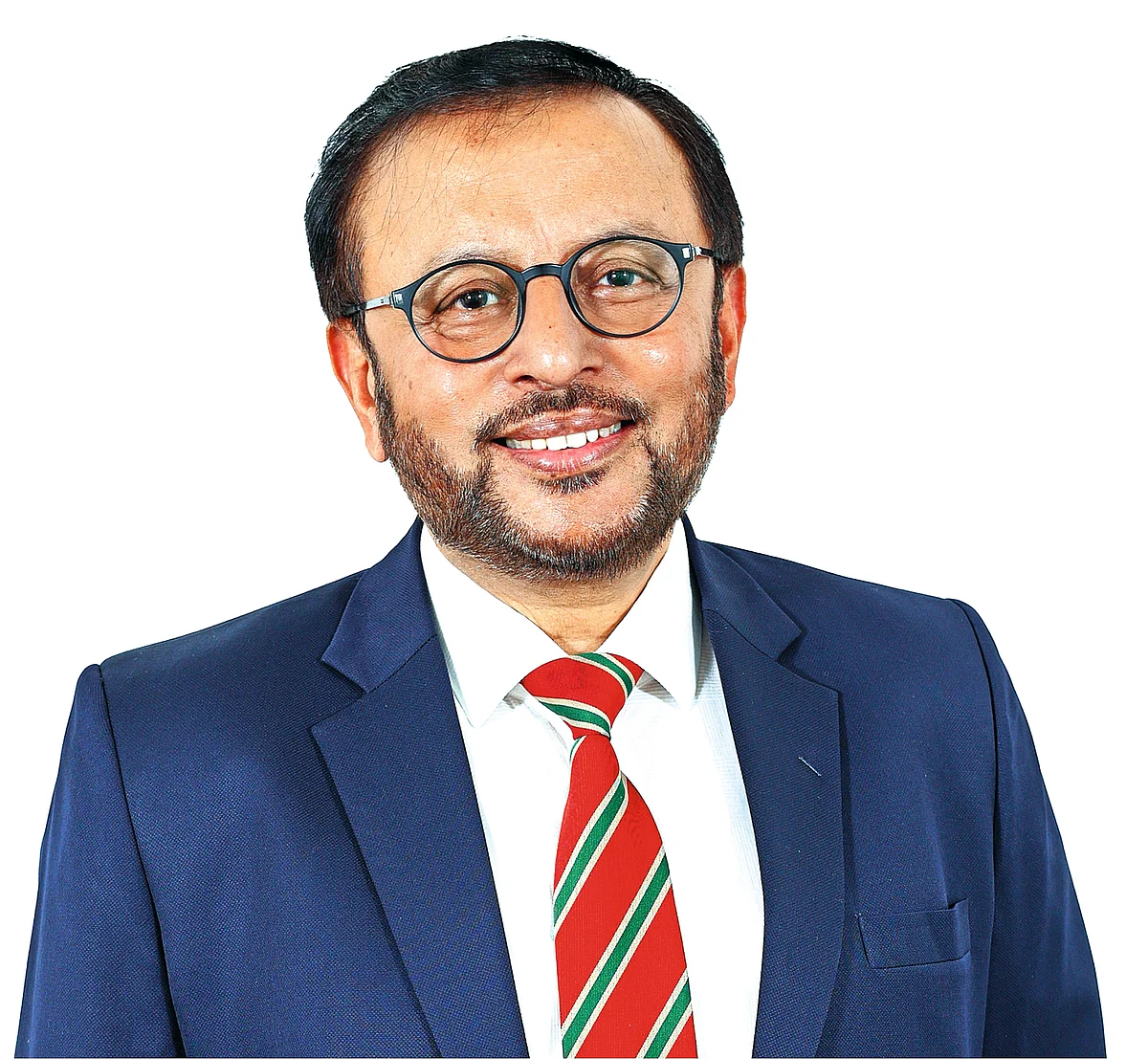
Atik Munshi, Managing Partner at Finexpertiza UAE, highlighted the UAE’s low bureaucratic levels.
Munshi observed that large investments, especially in regulated sectors, often face bureaucratic challenges due to cautious government officials, which can delay or halt projects. Streamlining bureaucracy reduces processes and documentation, speeding approvals or rejections.
He suggested that informed officials with good initiative could expedite processes. A single window clearance system could drastically cut bureaucracy, requiring coordinated government department efforts.
“Tax concessions, often used to attract FDI, are another area where bureaucracy plays a crucial role. Clear policies would improve departmental performance and boost investor confidence,” Munshi concluded.
UNDERSTANDING ZERO BUREAUCRACY
The Zero Government Bureaucracy Programme is a national effort to simplify government procedures, remove unnecessary requirements, and enhance service efficiency to fundamentally transform government operations. Ministries and entities were tasked with eliminating at least 2,000 procedures, halving processing times, and removing redundant requirements within a year.
The Zero Bureaucracy program, implemented in phases, saw its second phase launch in June 2025, focusing on improved integration, data sharing, and innovative solutions among government entities.