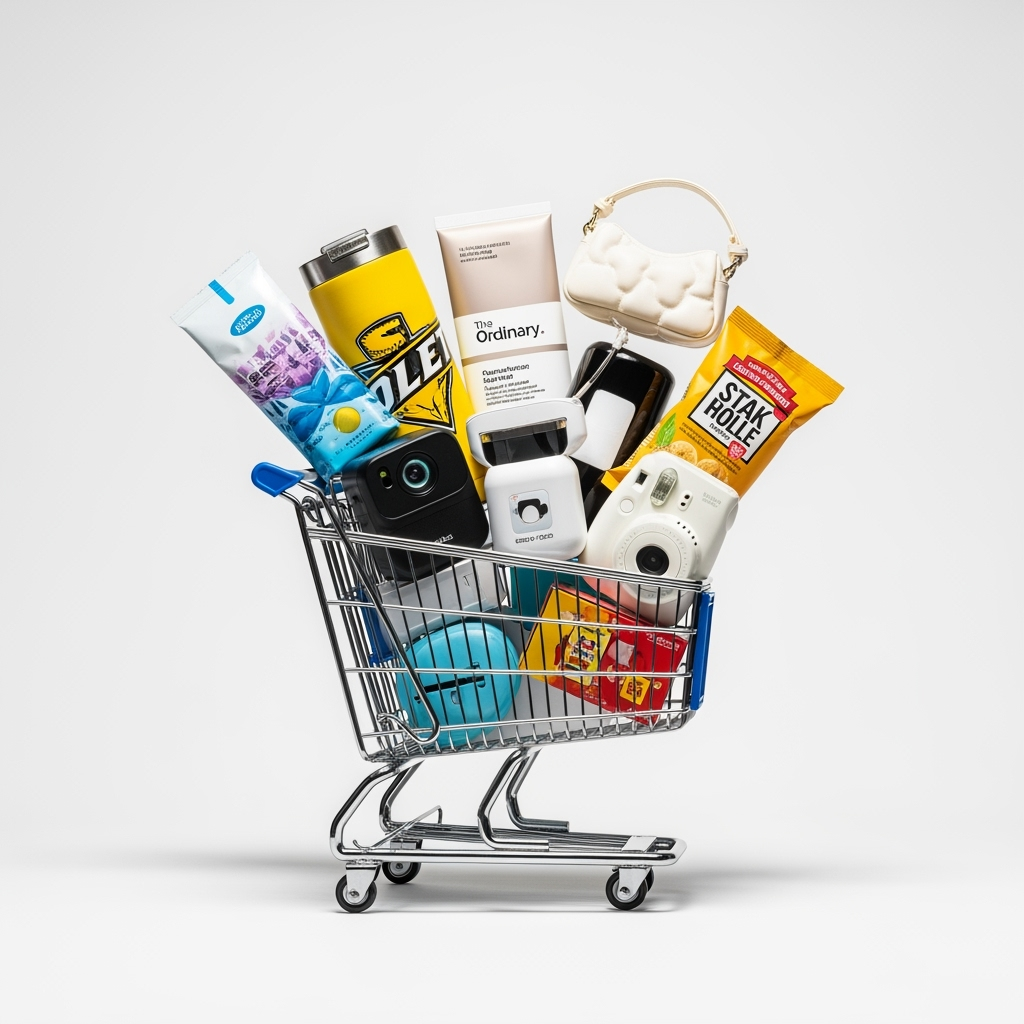
If it’s viral, it’s in your shopping cart! From Labubu to Stanley, Laneige to Rhode, everything trending on social media becomes your latest must-have. Does this often happen to you? If so, you’re caught in the ‘hype marketing trends’ web!
Trends that emerge on social platforms, endorsed by top celebrities and influencers, lead to skyrocketing sales for brands. Take the latest Labubu craze for instance. In the UAE, Labubu dolls are priced up to Dh1,250 for rare or bundled editions. Launched in 2015, Labubus have recently become a cultural phenomenon, with celebrities like Blackpink’s Lisa, Rihanna, and Dua Lipa seen with them. Social media platforms like TikTok and Instagram have fueled the frenzy, with fans sharing unboxing videos and styling tips. The Labubu trend has reached new heights, and the unexpected profits highlight the power of hype marketing. First it was luxury brands, now it’s collectibles.
Farhana Bodi, an influencer, social media personality, and entrepreneur, says, “Influencers are a huge part of how trends explode. We try things first, share what works, what’s fun, and what feels fresh. But people can tell if it’s genuine or just paid hype. When I talk about something, it’s because I’ve used it, I like it, and it fits my vibe. That honesty builds audience trust, driving behavior.”
The urgency to shop based on virality is capturing attention. Today it’s Labubus; before that, it was the Stanley Cup. Everywhere you looked, celebrities and fans carried these oversized water sippers. This ‘trendy’ element hooks shoppers and keeps them coming back. Consumers want to appear fashion-forward and up-to-date with trends. The fear of missing out (FOMO) and the urgency to grab what’s hot and ‘limited edition’ are compelling.
Content creator Rida Tharanaa adds: “It’s all about making something go viral, not whether it’s worth your money. Sadly, sometimes average or terrible products get hyped through smart marketing, and people fall for it. It creates a false FOMO. It feels like the goal isn’t to build something amazing anymore, but to make quick money. Once that’s done, people move to the next trend.”
Then come the cheap copies of viral products, contributing to overconsumption and further hype. Trends are getting crazier, but does hype benefit a brand in the long run? “Hype taps into impulse,” says Milka Karaagalci, founder of Kismet By Milka. “It fuels momentum, especially online. For brands like us, it’s about timing and intention. We’ve seen that collaboration can drive engagement quickly. But excitement must match quality and meaning, or the moment passes without building loyalty. Not all brands need hype. A brand should focus on storytelling and emotional resonance.”
The 2017 fidget spinner craze was classic overconsumption driven by FOMO. While they provided distraction, many ended up as waste. In six months, 19 million fidget spinners were sold, highlighting the fleeting nature of trends and their environmental impact. A giant mint-green Labubu doll made headlines on June 10, 2025, selling for $172,800 at a Beijing auction. The event saw all 48 lots snatched up, totaling $520,000, marking a high for the Labubu craze as a coveted collectible.
Sakshi Nath, founder of Queens Beauty Lounge and co-founder of TresInd Studio, says, “Social media and influencers spark these viral trends. A buzz around a product drives curiosity and urgency. It helps sales but creates a moment people want to be part of. Whether a supplement, skincare ritual, or fashion trend, if the right influencer showcases it, people pay attention. It’s about reach, trust, and connection with their audience.”
Statista reports social media has fueled viral trends, reaching over 4.2 billion active users worldwide, making it easier for trends to spread like wildfire. According to HubSpot, 71% of consumers are more likely to buy if social media influences them, showing how powerful viral trends shape purchasing decisions. “FOMO marketing works because people hate feeling left out, especially when something looks exciting, exclusive, and everyone’s talking about it. I’ve seen it firsthand: a well-timed post or collab, and it’s sold out. The real win is when hype matches experience. That’s when people return, not just because it’s trending, but because it’s worth it,” says Farhana.
Like every fad, viral shopping trends fade once sales are met. Perhaps now is time for brands to build loyalty and long-term relationships with buyers rather than short-lived hype. “You can play with trends, but your foundation must be solid,” says Rida. Every trend has a shelf life and reaches saturation after losing exclusivity and becoming widely available. The market floods with copies, and interest wanes.
Moreover, online shopping can be addictive, driven by the ‘feel-good’ factor. Shopping online gives our brains a dopamine hit, making us feel good and want more. This can lead to a cycle of craving and consumption, making online shopping almost irresistible. Brands, marketers, and consumers must be mindful and responsible. Hype is needed, but balancing it with a long-term strategy is crucial. For consumers, ask yourself: “Is it really worth the hype?!”
How to avoid overconsumption
-
Ask these questions: Do I really need it? Will I use it six months from now? Is it really worth the hype?
-
Read about anti-hauling / anti-hoarding
-
Practice slow consumption