Experiments were conducted in more than 12 countries with the participation of over 2,500 individuals from various age groups, according to ‘Science Alert’. Walking came in second place, followed by resistance exercises, with noticeable improvements appearing within just 8 to 10 weeks.
These findings partially contradict a previous analytical study from 2023, which indicated that moderate-intensity aerobic exercises three times a week are the most effective for improving sleep. However, one of the trials within the study showed that it had a more pronounced effect on sleep compared to other exercises.
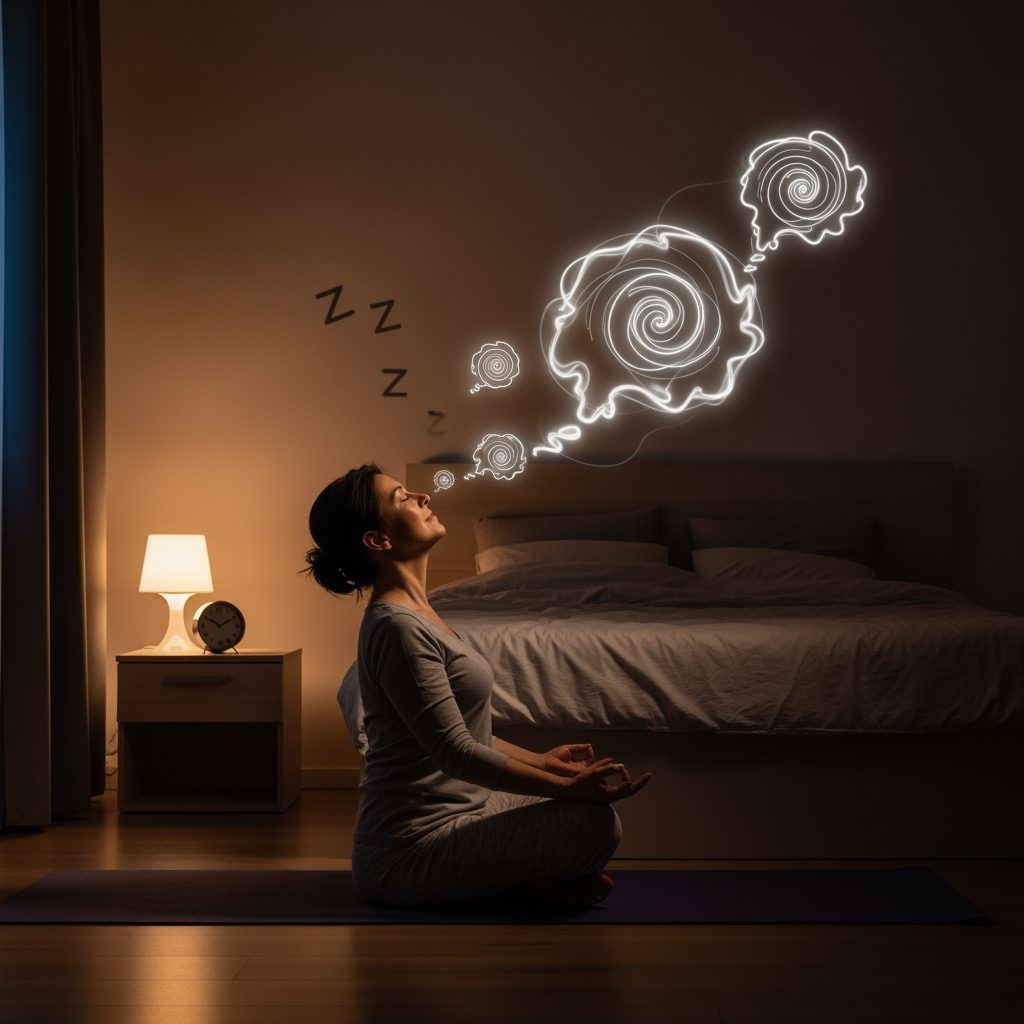
Although the latest study did not precisely identify why yoga outperforms, researchers suggest that it increases heart rate, activates muscles, and regulates breathing, which stimulates the parasympathetic nervous system responsible for ‘rest and digest’.
Researchers from Harbin University warned against overinterpreting these results due to the limited number of studies and the unique characteristics of individuals with sleep disorders. They emphasized that yoga is not the only solution but one of several options for improving sleep, as each person’s response varies based on their body’s and brain’s nature.