Researchers in Abu Dhabi have developed an affordable technology to revolutionize cancer research, making it faster, cheaper, and more precise. This innovation also eliminates the need for human testing of cancer medications.
This paper-based system enables scientists to effortlessly cultivate small 3D tumors, store them by freezing, and test cancer drugs on these models. These tumors mimic real human tumors, enhancing the reliability of drug testing. This breakthrough was achieved by researchers at New York University Abu Dhabi (NYUAD).
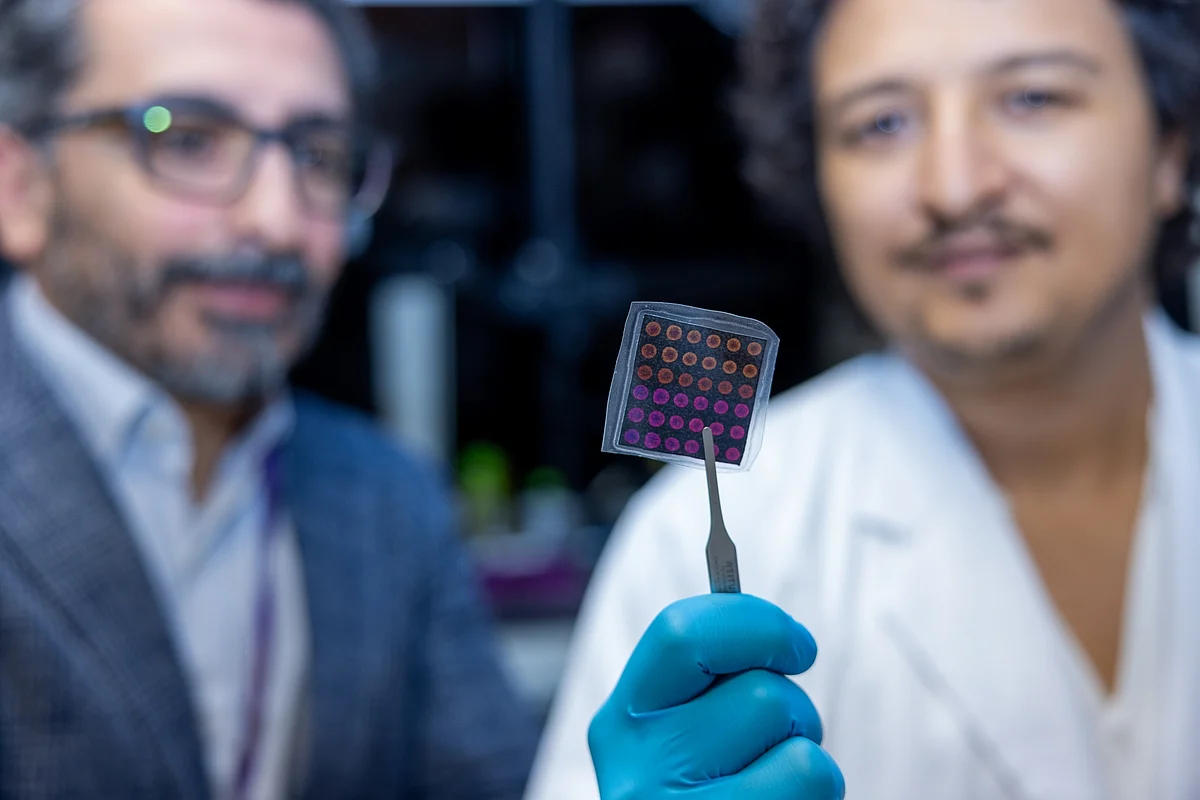
The Spheromatrix is a unique filter paper that allows for the controlled growth of tumors. Unlike expensive and complex methods, this system enables the creation of tumor samples that are easy to freeze, store, and use, acting as ready-to-use models for cancer drug testing.
Stay informed with the latest updates. Follow KT on WhatsApp Channels.
Teamwork
The research led by Associate Professor Mohammad Qasaimeh, alongside Postdoctoral Associate Ayoub Glia and their team at NYUAD’s Advanced Microfluidics and Microdevices Laboratory, highlights the innovation.
“Spheromatrix marks a significant advancement in cancer research,” stated Qasaimeh. “Its fiber-based design provides a cell-friendly environment, allowing tumor models to mirror real cancers. Long-term preservation of these models accelerates preclinical testing, reduces animal model use, and facilitates patient-centric research.”
The team tested Spheromatrix with commercial chemotherapy drugs on brain tumor models. The preserved tumors showed responses similar to actual patient cancers, proving the platform’s ability to offer reliable, realistic, and scalable drug screening systems.
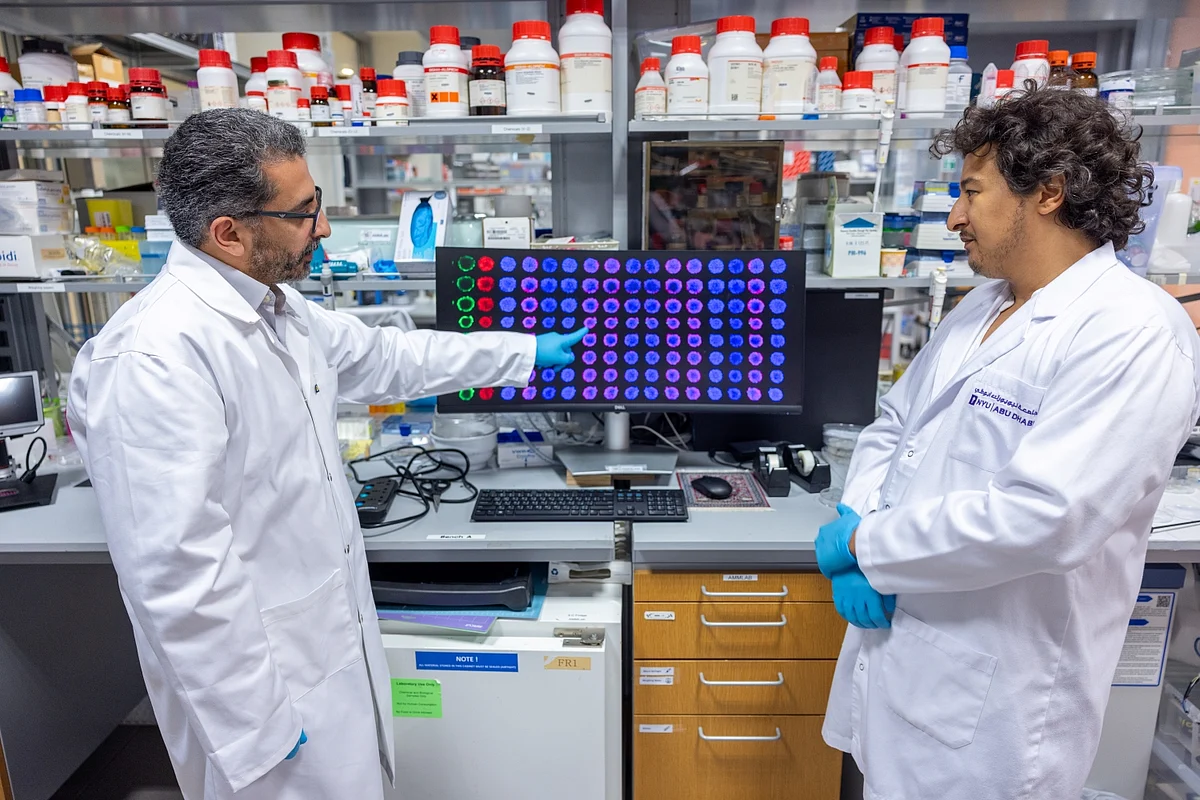
Their findings also indicated consistent results before and after freezing, confirming the system’s capability to maintain drug response accuracy.
Glia stated the goal was to create a platform that is simple, dependable, and cost-effective, addressing a significant challenge in cancer drug development. “By designing paper that supports tumor spheroids, we can grow, freeze, and reuse models for various experiments. We are now exploring the use of patient-derived samples to foster more personalized cancer treatments,” he explained.
NYUAD researchers have previously made several significant discoveries, from art and activism to groundbreaking biotechnology and space exploration. In June, they developed a diagnostic tool that detects infectious diseases in less than 10 minutes, providing a quick, affordable, and portable solution for on-site screenings without needing advanced lab equipment or specialized staff. Another NYUAD study revealed that cosmic rays could generate the energy necessary to sustain life underground on planets and moons in our solar system.