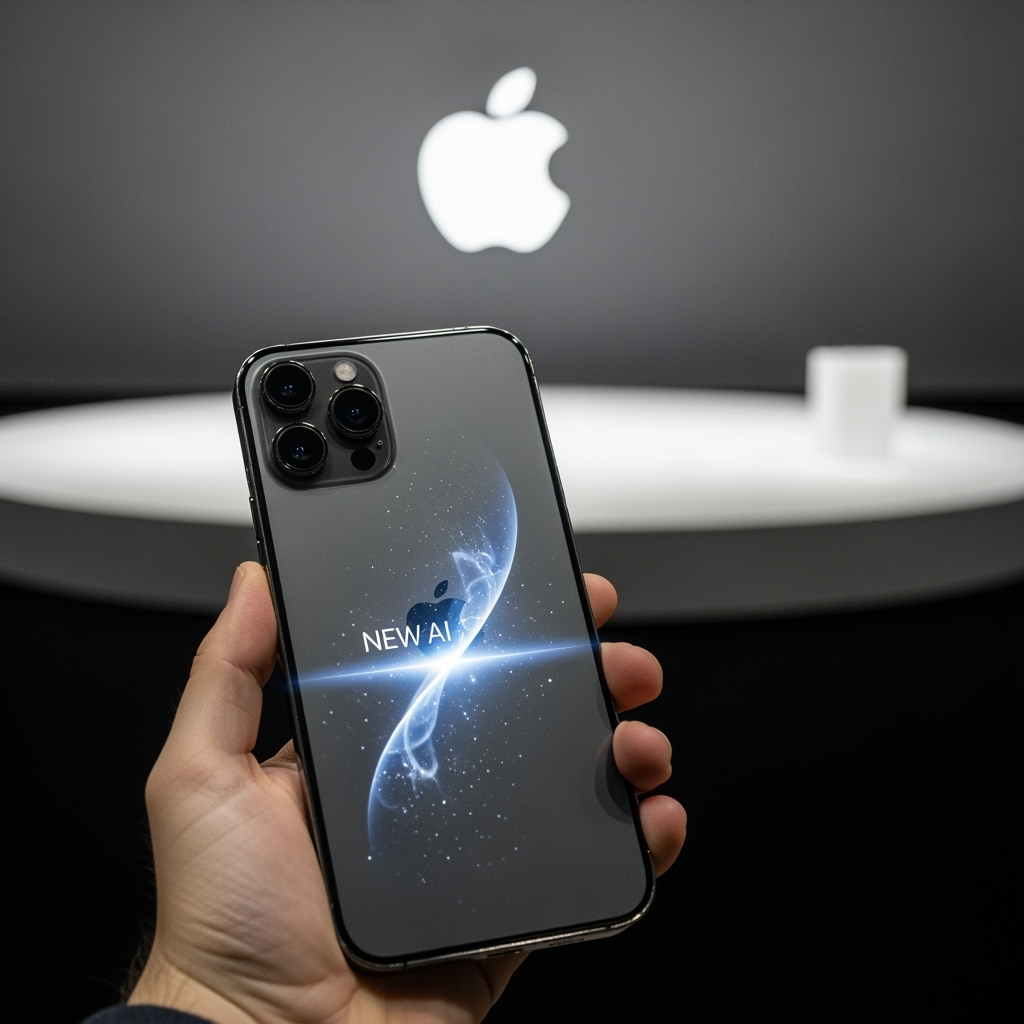
Apple is gearing up to launch its iPhone 17 series on Tuesday, highlighting advanced artificial intelligence features.
The Silicon Valley giant has been secretive about the “Awe Dropping” event’s specifics, yet it’s the time Apple typically debuts new iPhones that significantly boost its revenue.
Though iPhones hold a top market spot, Apple is under pressure to demonstrate its edge in the generative AI arena.
Stay informed with the latest updates. Follow KT on WhatsApp Channels.
“Apple being seen as ‘late to the AI scene’ poses a substantial challenge,” noted market analyst Canalys.
While Android-powered competitors have “rapidly advanced AI integration,” Apple’s slower AI feature rollout has led to some users delaying iPhone upgrades, Canalys observed.
Apple launched its “Apple Intelligence” AI features late last year, but they didn’t impress users, especially the anticipated improvements to Siri, which remained basic.
Looking forward, Apple is reportedly planning to enhance AI in online search next year along with a Siri upgrade, but these reports are unconfirmed. Apple is also said to be collaborating with Google to utilize its search and AI expertise.
“I’d be surprised by any major announcements on Apple’s AI strategy,” Forrester analyst Thomas Husson commented.
“Apple’s gradual innovation with the iPhone 17 may soon hit a ceiling, particularly for those craving more innovation,” he added.
Main attraction
The spotlight on Tuesday will be the new iPhone models, featuring an ultra-thin “Air” version.
Analysts see this as a strategic shift — Apple is emphasizing thinness over screen size as a premium differentiator.
A super-thin iPhone might pave the way for a foldable version in the future.
However, the engineering challenges of thin phones can increase production costs and limit battery space.
Prices
New iPhone prices in the US are likely to rise due to President Trump’s tariffs impacting Apple’s production costs. China’s role as a key production hub means these policies affect costs directly.
“Apple is carefully balancing its largest markets – the US and China – amidst growing trade tensions,” Canalys noted.
“A weaker US dollar lets Apple raise US prices while keeping competitive prices overseas.”
The financial impact is significant: CEO Tim Cook revealed that Trump’s tariffs cost Apple $800 million last quarter, with a projected $1.1 billion loss this quarter.