
Question: My two children will finish high school in the next three years. I’m considering university admissions focusing on education quality and costs. Are Indian universities a good option?
ANSWER: According to the QS World University Rankings: Sustainability 2026, India ranks fourth globally with 103 universities listed. The QS Methodology evaluates universities based on three categories: environmental impact, social impact, and governance. Environmental impact considers sustainability, education, and research. Social impact includes equality, knowledge exchange, education impact, employability, and health. Governance assesses ethics, hiring, transparency, and decision-making.
Nearly half of Indian universities improved their scores in environmental education this year. Indian universities excel in knowledge exchange and sustainability, highlighting higher education’s role in combating climate change. Moreover, Indian universities are more affordable compared to Western institutions.
Question: I plan to return to India and start a furniture manufacturing business. I’ve heard of recent reforms by a government committee. Can you explain?
ANSWER: You’re correct; a high-level committee recently suggested measures to ease regulatory and financial burdens on micro, small, and medium enterprises (MSMEs). Recommendations focus on credit access, payment dispute resolution, compliance with the Companies Act, and tax process simplification. Timelines for implementing these reforms aim to improve the business environment for MSMEs. The committee proposes expanding the Credit Guarantee Fund Trust to support medium enterprises in manufacturing. For dispute resolution, a 75% deposit of the arbitral award value is mandatory pending appeal. A sole arbitrator is recommended for faster dispute resolution.
Currently, corporate social responsibility (CSR) obligations are based on net worth, turnover, and net profit. The panel recommends exempting all micro and small companies from CSR obligations under the Companies Act. To simplify tax processes, the tax audit requirement is relaxed to Rs.20 million from Rs.10 million. The revenue department is advised to reduce penalties for minor GST errors by micro enterprises and lower interest rates on outstanding dues.
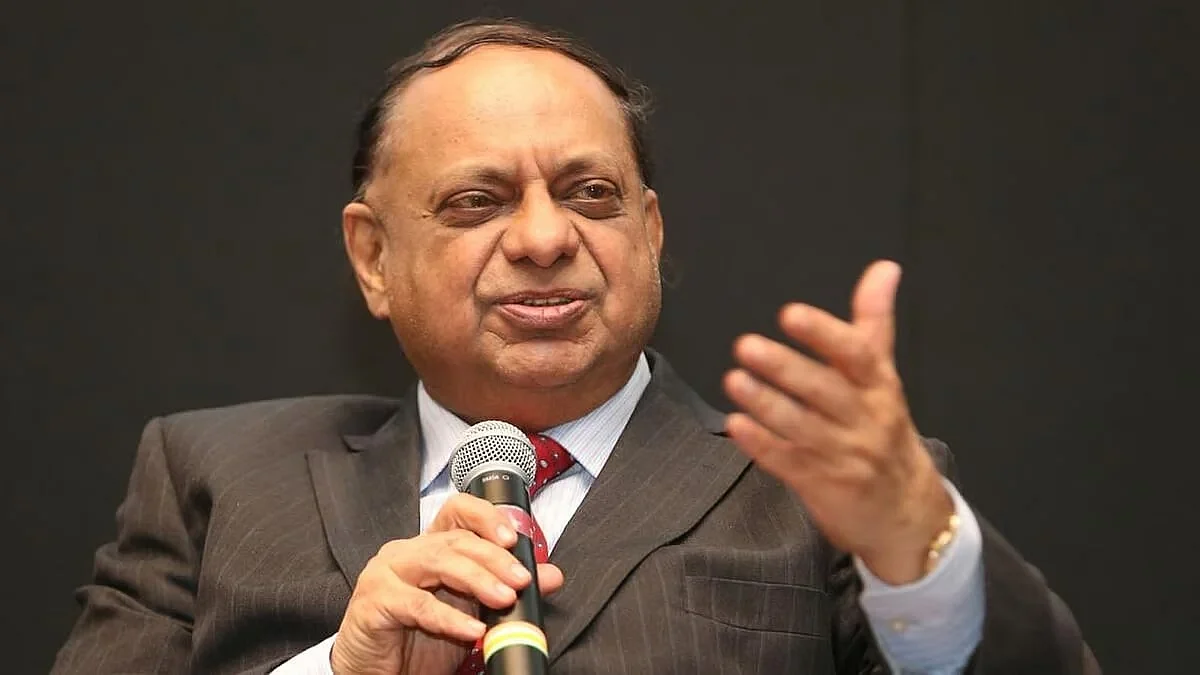
HP Ranina is a practising lawyer, specialising in corporate and tax laws of India.
Question: My brother, a real estate developer in India, is building luxury and affordable housing. Can he access international markets for loans to fund his projects?
ANSWER: Last month, the Reserve Bank of India announced plans to relax regulations for the real estate sector, allowing developers to access offshore loans. External Commercial Borrowings (ECBs) are permitted only for real estate projects compliant with foreign direct investment rules, excluding land trading or speculation. The ECB framework’s calibration is a positive step in India’s financial evolution based on strong fundamentals and prudence. Proposed guidelines suggest increasing ECB limits by linking them to the borrower’s net worth, removing interest rate ceilings, expanding eligible lenders and borrowers, and easing maturity and repayment conditions.
According to the RBI Governor, expanding eligible lenders will enhance pricing efficiency. Linking borrowing limits to net worth ensures ECBs align with financial capacity. RBI has set an aggregate fund limit; banks face penalties if exceeded. Removing the all-in-cost ceiling on ECB loans encourages competitive rates and prudent hedging.
The writer is a practising lawyer, specialising in corporate and fiscal laws of India