For years, the diamond industry has held steadfast to the belief that mined diamonds are inherently superior and more genuine than lab-created ones. However, current data, scientific advancements, and evolving consumer preferences are challenging this notion faster than many in the industry care to acknowledge.
Leading this shift is Astrea, a pioneering lab-grown diamond brand set to debut in Dubai. Astrea claims its diamonds, representing the top 0.01% of global quality, surpass the precision and performance of many mined stones. As founder Nathalie Morrison asserts, “No gemologist can tell them apart with the naked eye or a loupe.”

Dispelling a Century-Old Myth
Astrea’s arrival in the UAE, with its flagship store opening at the Mandarin Oriental and a new collection by Sarah Jessica Parker, marks a pivotal moment for a global industry facing changes in consumer behavior and environmental demands. “In the US, 60% of engagement rings are now lab-grown,” Nathalie notes. “Globally, lab diamonds have surged from 1% a decade ago to over 20% today. Economists predict they’ll reach 70-75% by 2032, though I think it’ll take three more years.”
Astrea isn’t aiming to disrupt the mass market. Instead, it focuses on the elite tier — diamonds meticulously crafted and rigorously certified, so precise in cut, color, and light performance that only a fraction of both mined and lab-grown stones meet these standards.
The Elite 0.01%
Direct and data-driven, Nathalie brings decades of private banking expertise to challenge assumptions. To those who view “lab-grown” as “less real,” she offers a personal analogy: “I have four children; two through IVF and two naturally conceived. Are my IVF children any less real? Of course not. It’s the same principle.”
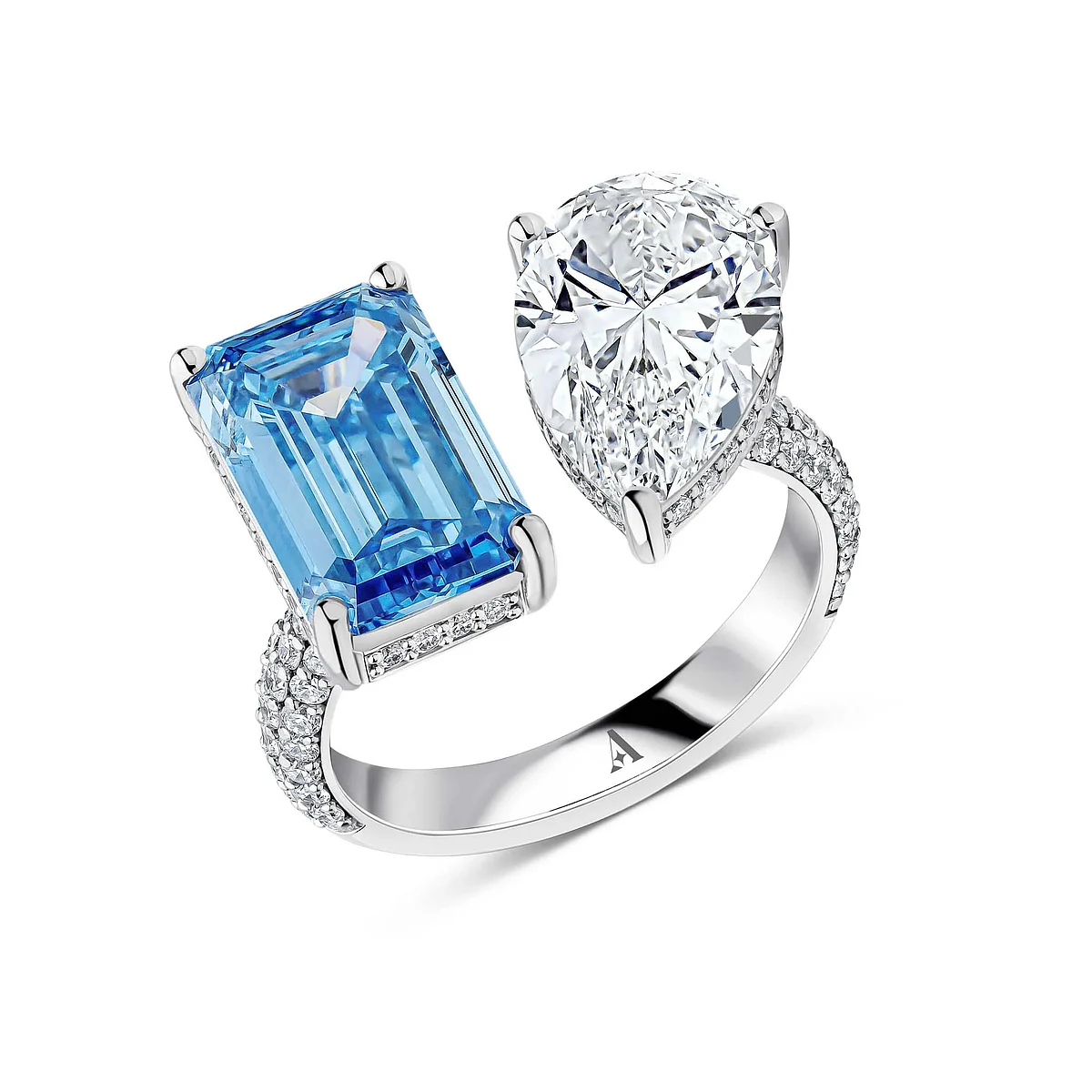
The science is clear: lab-grown and mined diamonds share the same chemical and structural composition. Both start from a carbon seed — with the first lab-grown diamonds even requiring a natural diamond seed. While one grows over eons underground, the other forms in a controlled reactor, both resulting in perfect crystalline carbon. One takes time; the other precision, explains Nathalie.
Astrea distinguishes itself not just by its origins but through refinement. While the broader lab-grown market focuses on commercial-grade stones, Nathalie’s vision targets the top 0.01%, where quality transcends the traditional 4Cs (cut, color, clarity, carat). “People think a D-color diamond is just a D-color diamond,” she says. “But there’s vast variance within that small category. It’s like Cambridge; the top student isn’t the same as the bottom one.”
Raised in Saint-Émilion, France, Nathalie’s first exposure to luxury was at Cambridge University, which she describes as a cultural shock yet an enriching experience. Her successful tenure at Coutts Wealth Management and subsequent ventures inform her perspective on the diamond business.
Beyond the 4Cs
Astrea adds extra certification layers to define excellence, Nathalie explains. “Light performance, hearts-and-arrows precision cutting, and other advanced grading methods rarely used even in the mined sector. These certifications offer deeper insights into symmetry and reveal distinctions unseen before,” she says. “Technology achieves a consistency nature can’t, defining luxury’s future.”
Yet, the future isn’t solely about quality; it also involves environmental responsibility. Lab-grown diamonds provide a cleaner, more ethical alternative to mining, Nathalie asserts. They use minimal water, avoid labor issues, and prevent biodiversity damage seen in traditional mining. Documentaries like Nothing Lasts Forever expose these environmental and human costs. “The idea mined diamonds are rare is a persistent myth. There are enough for everyone on Earth to own half a carat,” she states.
Significantly, the future is being shaped by younger consumers entering the engagement-ring market with fresh perspectives. Gen-Z, the fastest-growing luxury demographic, values sustainability, transparency, and fair pricing. They aren’t swayed by mined diamonds’ romantic narratives. “This generation prioritizes the planet and value, rejecting scientifically unfounded stories,” says Nathalie.
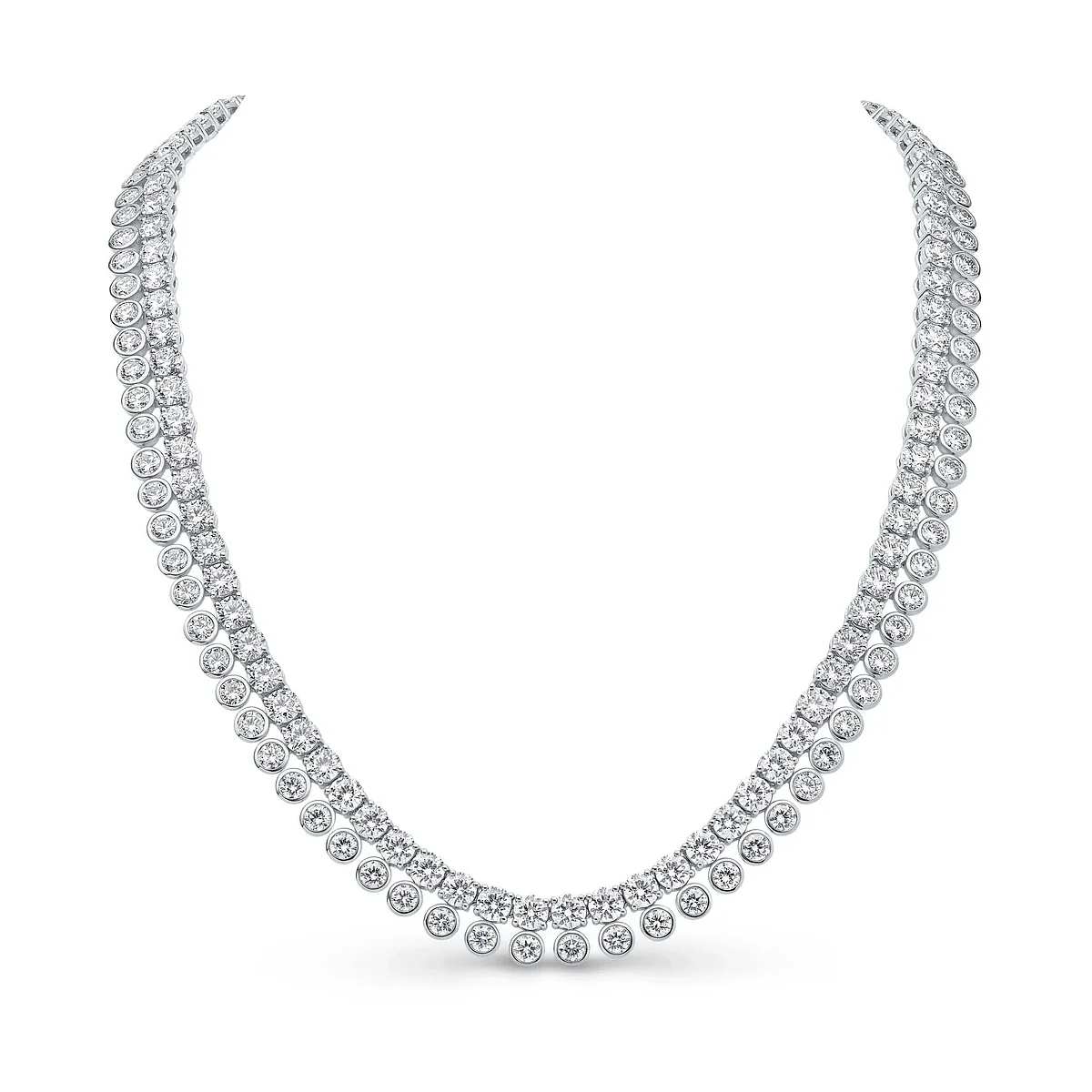
Design freedom also attracts Gen-Z to lab-grown diamonds. “Without nature’s limits, larger, more colorful, and custom designs are possible,” Nathalie notes. Astrea’s early commission of an 8.88-carat flawless D-color stone, rejected by major heritage houses for risk, was completed in two months.
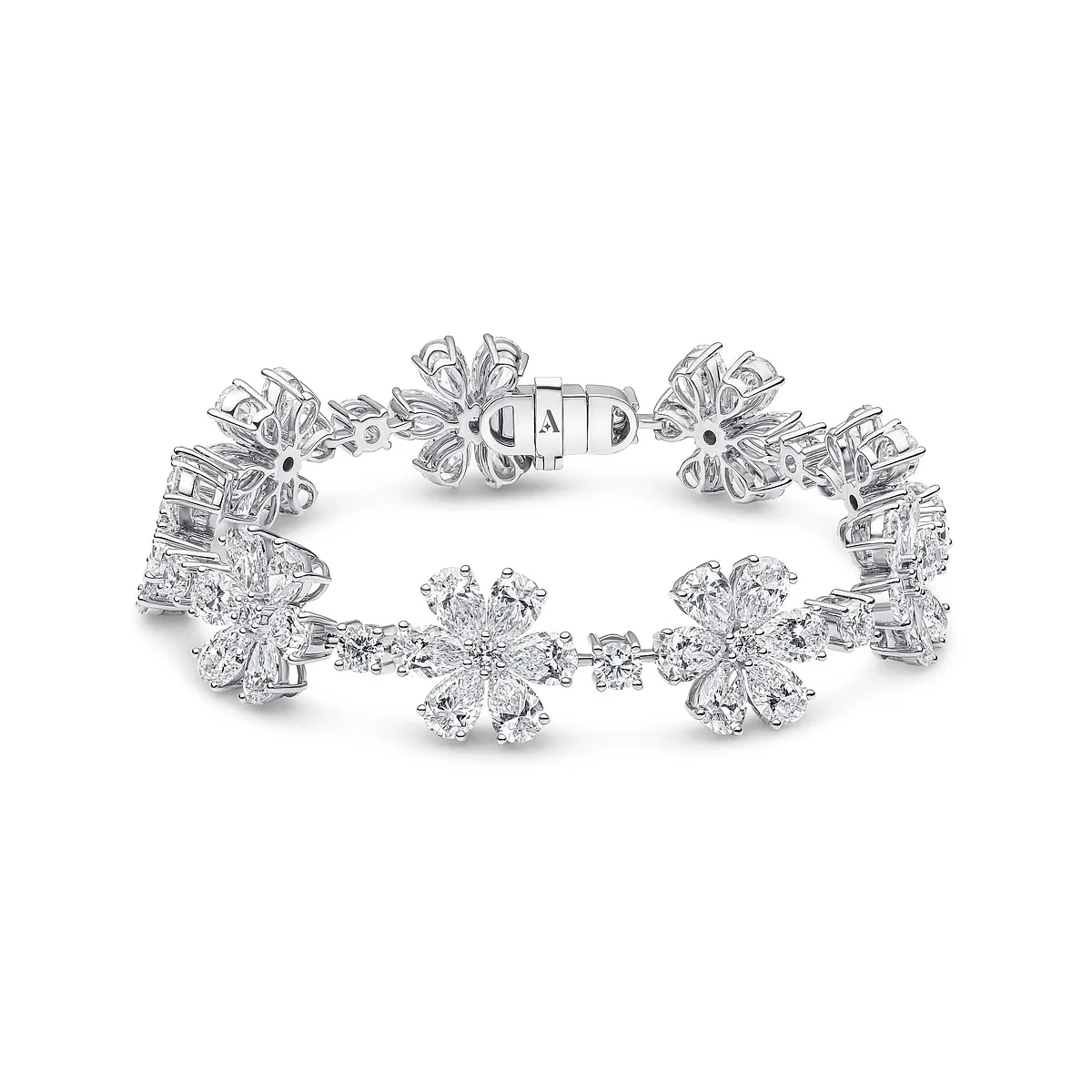
The upcoming Sarah Jessica Parker collection expands this creative scope, showcasing modular pieces, multi-wear necklaces, and vibrant designs unattainable in the mined sector. “Lab-grown diamonds offer limitless design potential,” Nathalie adds. “She’s captivated by the possibilities.”

Some industry secrets lie in what consumers can’t perceive. When asked if lab-grown stones are in the mined market, Nathalie admits, “Yes, it’s common.” Documentaries like Nothing Lasts Forever suggest 20% of the market was mixed due to smaller stones often lacking certification. Nathalie adds, “Companies that concealed their lab-grown nature faced lawsuits and losses. I’m proud to call them lab-grown and advocate for transparency.”
This shift doesn’t negate the mined sector but introduces a new luxury category built on transparency, technology, and craftsmanship rather than geological time, Nathalie says. “It’s an evolution, like cultured pearls or electric cars. You embrace science.”
Dubai: The Natural Launchpad
Discussing Dubai as Astrea’s launch site, Nathalie cites not only technology and consumer trends but the city’s culture. While London, Hong Kong, or New York were options, Dubai’s openness to innovation and appreciation for beauty, particularly bold designs worn safely, made it ideal.
Dubai’s unique diamond jewelry market underlines this choice. Astrea’s average UK sale is nearly 40% lower than in Dubai, where buyers confidently wear high-end pieces. The city’s safety, multiculturalism, and forward-thinking ethos foster a market challenging tradition while promoting sustainability.
Astrea’s flagship at the Mandarin Oriental embodies this ethos. Blending retail and experience, the space lets customers see diamond creation, tour the facility, and design custom pieces, demystifying the process. “This industry thrived on secrecy,” Nathalie concludes. “We aim to change that, showing everything.”
somya@khaleejtimes.com