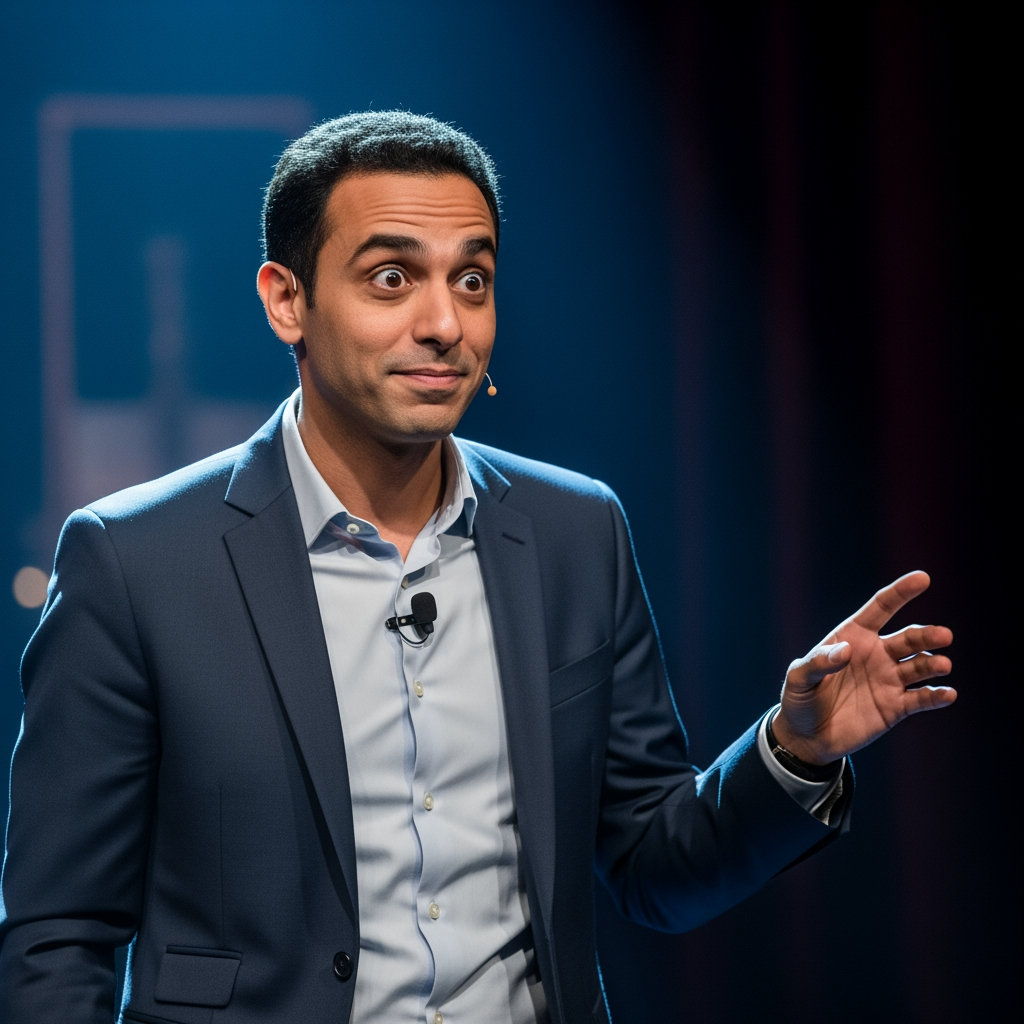
Back in 2023, Bassem Youssef expressed his desire to revolutionize Arabic stand-up comedy. Two years on, during a late-night Zoom call, we asked him about his progress.
“Not far enough,” he chuckles, mixing resignation with determination.
It’s quintessential Bassem; candid, self-aware, and humorous in a way only someone familiar with life’s absurdities can be.
Currently, he’s on tour with The Belly of the Beast, an English stand-up show examining the experience of living within a “superpower empire.”
“It’s intense,” he acknowledges, “but I strive to make it amusing.”
He describes the show as more than just comedy; it’s a profound reflection on identity, which is why it resonates. “Comedy is deeply personal,” he asserts. “It’s what sets your comedy apart — it’s the magnet for audiences.”
Youssef is scheduled to perform in Dubai on November 16 at Coca Cola Arena, with the event organized by Blu Blood and Dubai Calendar.
Having performed in Dubai before, Youssef notes the impressive evolution of the local comedy scene. “There’s incredible young talent emerging from Egypt, Lebanon, the UAE, Saudi Arabia… it’s wonderful to witness,” he remarks, clearly proud.
His material remains consistent whether in New York or Dubai — no edits, no filters. “I might tweak a few jokes for context, but I don’t censor myself,” he explains. “My style of comedy leaves no room for censorship.”
Yet, nerves persist. “Every single time,” he admits when asked if pre-show anxiety lingers. The five minutes before taking the stage are pivotal. “You wonder, will this joke land today? Will they understand? It’s essentially the fear of failure.”
However, that fear propels him. After years of deciphering an often irrational world, he says, “You can’t escape the news. It’s overwhelming, but you find absurdity in it and use it. Comedy becomes an outlet for frustration.”
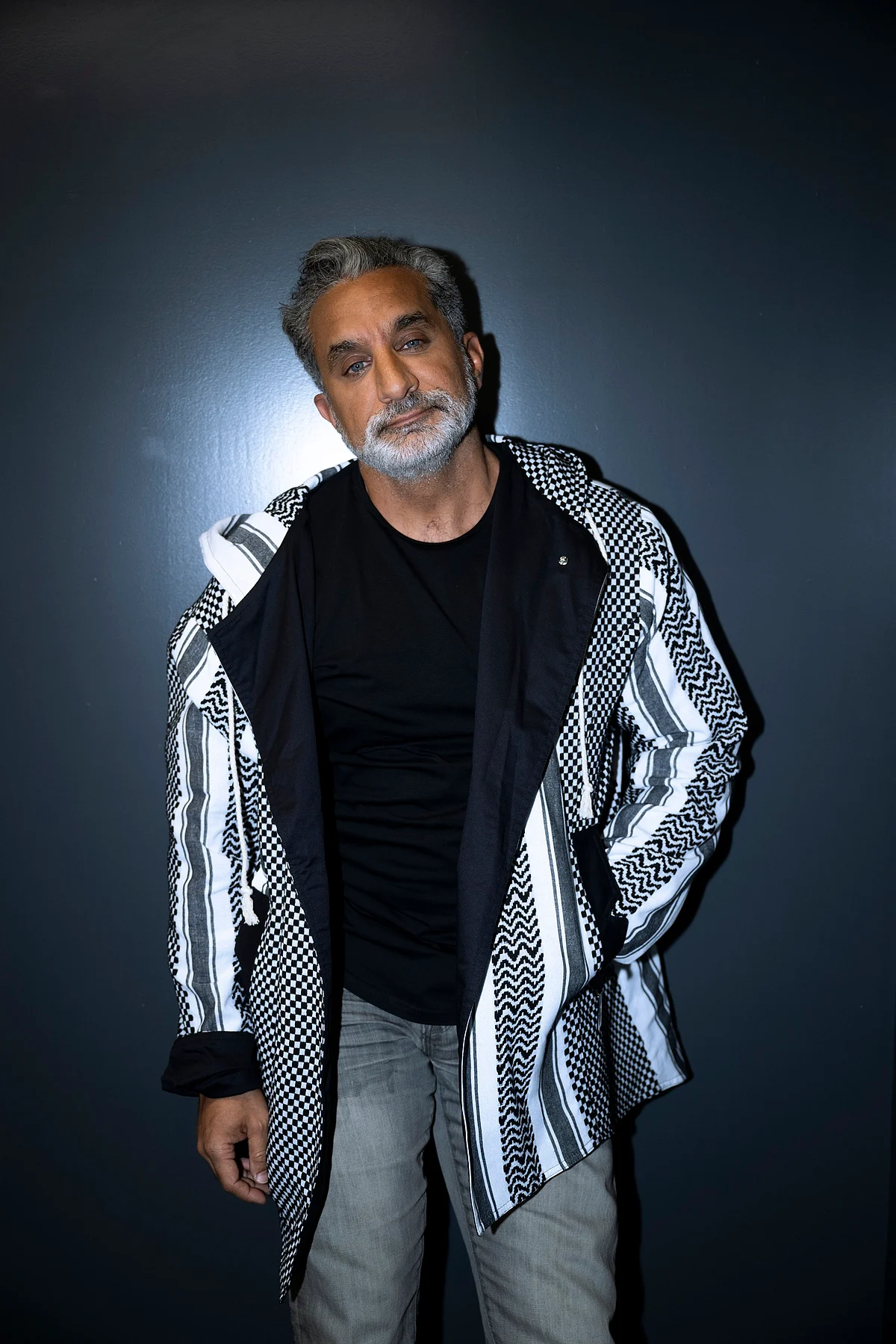
Is it still about instigating change? “No,” he replies. “It’s about coping. People overly romanticize comedians.”
On identity, he states, “Our identity is fluid. It’s not fixed. Mine evolves — my Arab heritage, my life in the U.S., it’s all changing.”
He’s pleased to see more Arab comedians gaining global prominence, creating their own platforms. “It’s self-driven,” he says. “They’re finding venues, crafting spaces. It’s happening now.”
Discussing cross-cultural humor, he insists that comedy is more universal than assumed. “The world is more open than we think. The challenge lies in the craft, in delivering the joke so it resonates universally.”
When AI is mentioned, his response is a blend of tech-savvy and realism. “I’d be both amused and terrified,” he laughs. “AI can’t write jokes; it aids research, but the writing and delivery must be personal.”
As for taboo subjects, he believes context is key. “Off-limits is subjective,” he notes. “It’s not about the topic, but how you discuss it.”
Before concluding, I ask what feedback matters most to him. His reply: “When people say, ‘We laughed a lot, but you gave us plenty to ponder.’”
And if he could roast anyone, who would it be? Without hesitation, “The oligarchy,” he declares. “They’re ruining it for everyone else.”