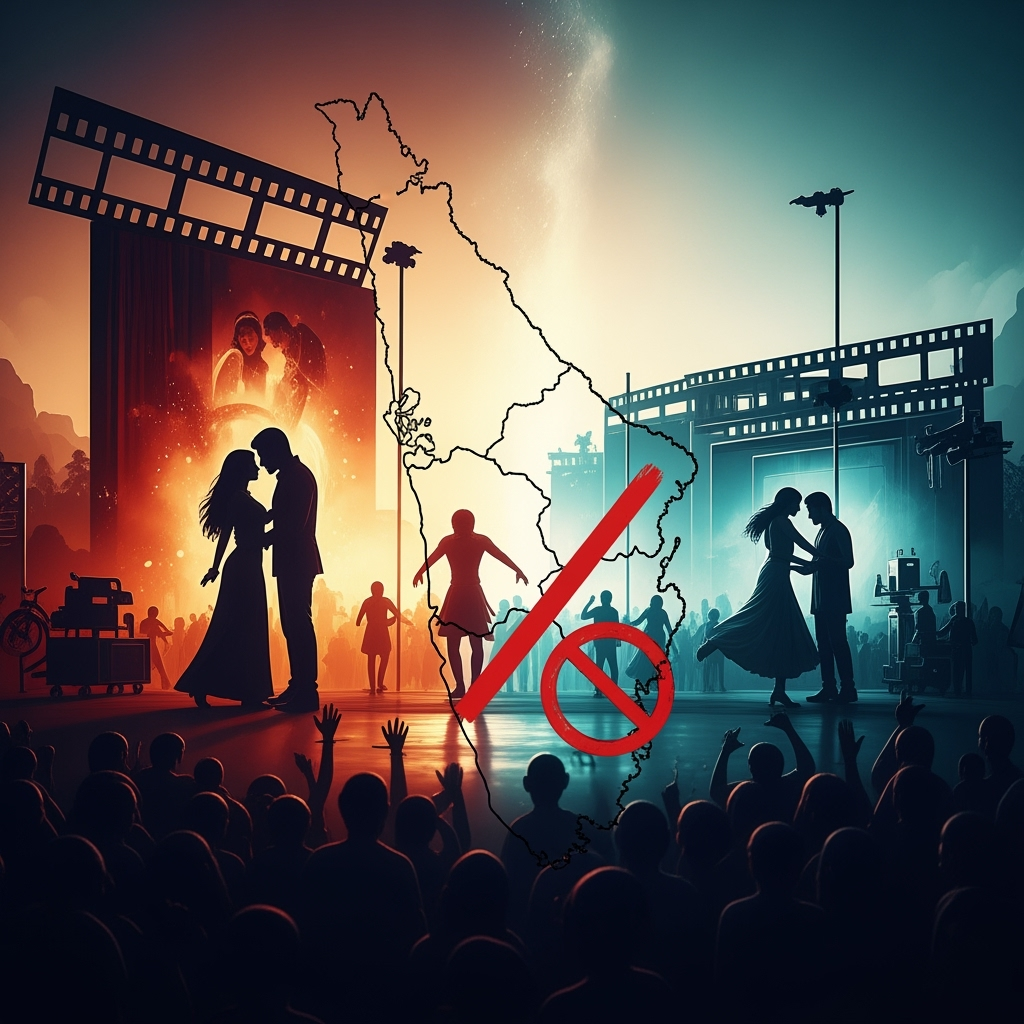
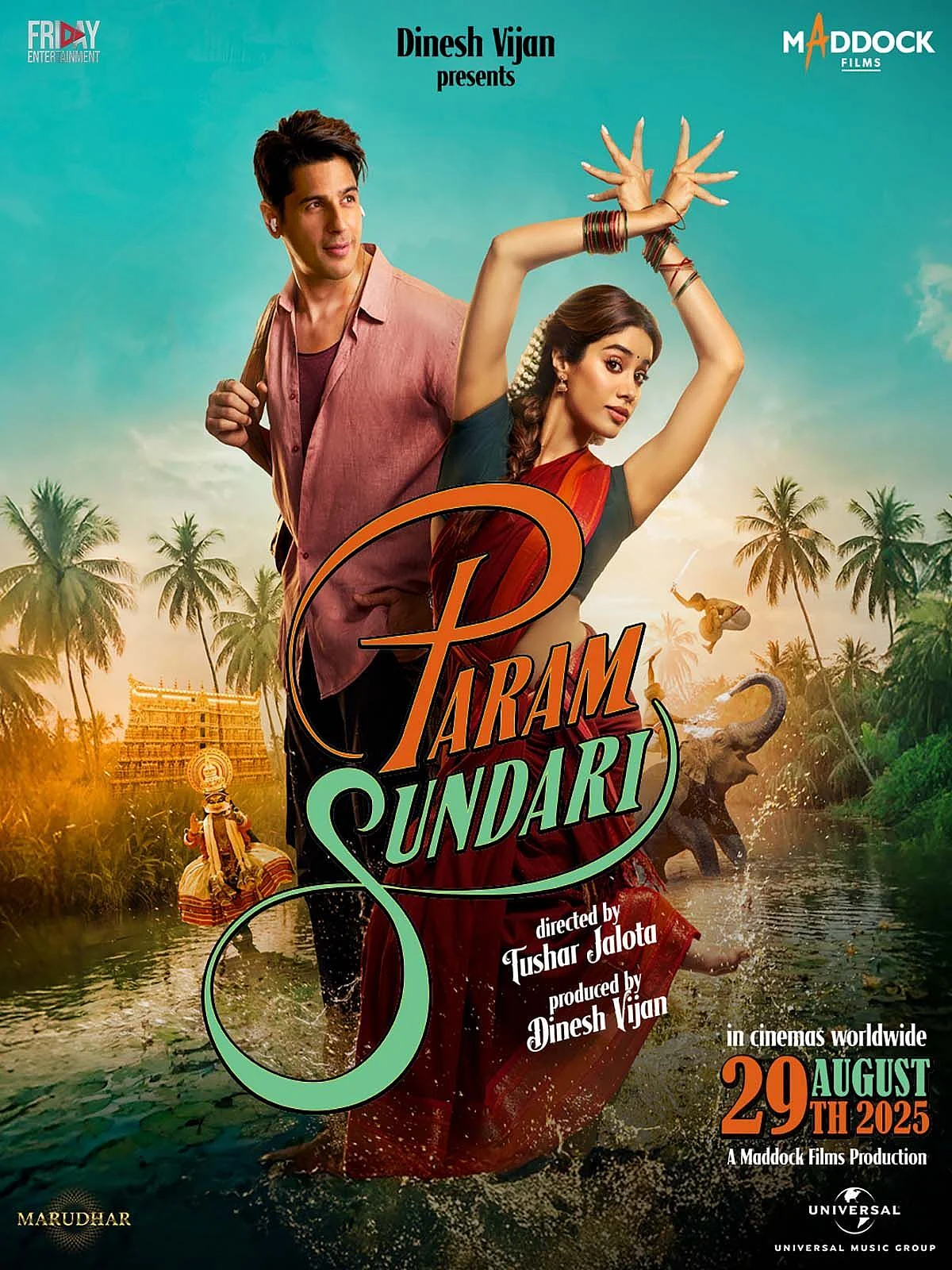
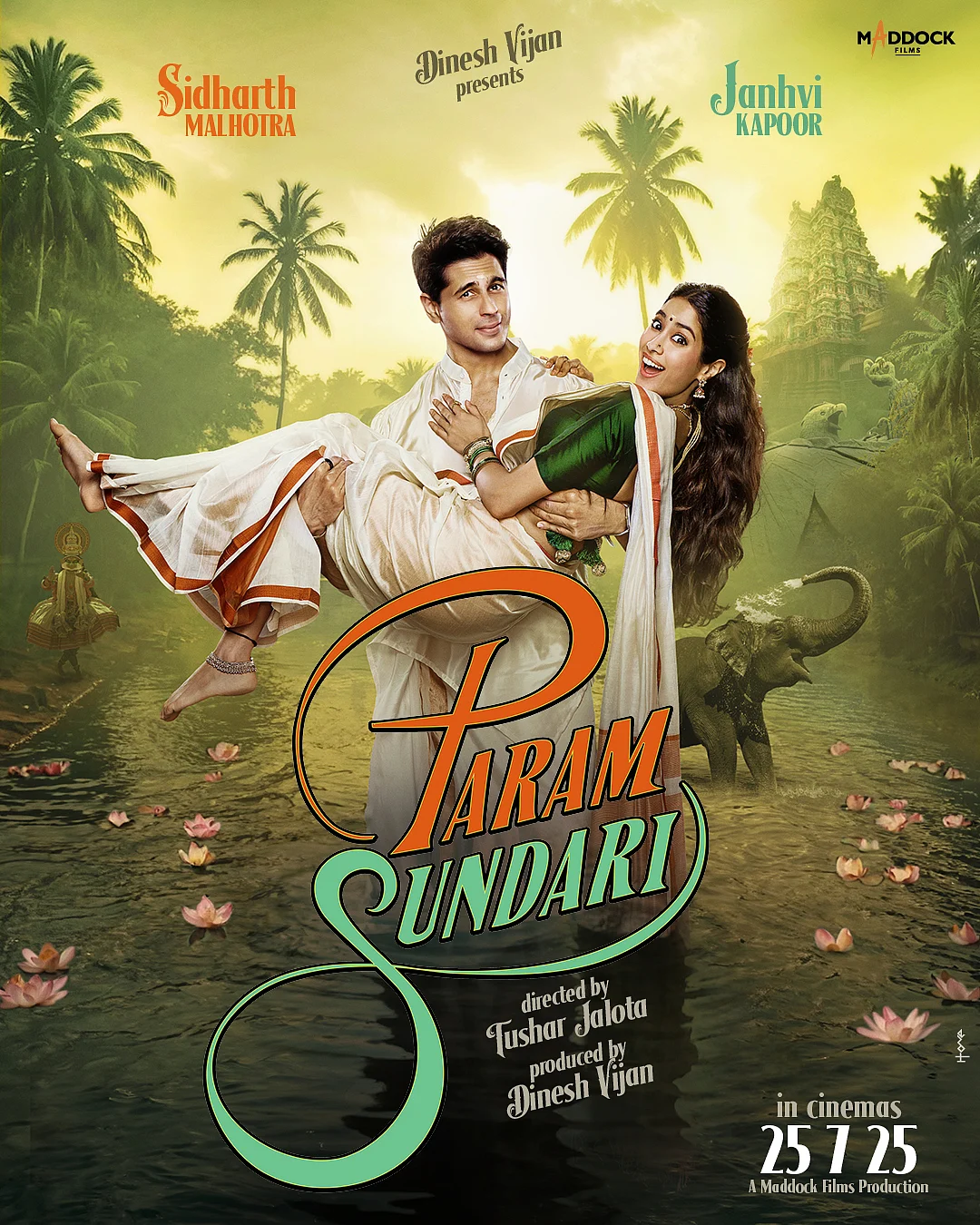
Bollywood has sparked controversy once more, this time by offending people in Kerala, India’s most literate state. Known for their humor and self-deprecating jokes, Malayalis are upset over the portrayal in the upcoming romcom Param Sundari, starring Siddharth Malhotra and Jahnvi Kapoor. The trailer has triggered a wave of criticism from the Malayali community, who are displeased with the portrayal of their culture. The uproar is fueled by Kapoor’s accent, character name, and stereotypical depictions of Kalaripayattu and backwaters, leading to viral posts and reels criticizing the film’s representation.
Compounding the issue, Maddock Films has issued copyright strikes against creators, intensifying the backlash. This comes after the National Awards controversy, where The Kerala Story was accused of spreading propaganda yet received top honors. As Malayali anger escalates, the debate deepens: is this a case of social media outrage or genuine frustration from an audience unwilling to accept caricatures in entertainment? In the clash of “Malayali content creators Vs Bollywood,” the latter seems to be losing ground.
What’s the fuss about?
Hindi cinema has long struggled with nuance, often resorting to stereotypes. Common examples include the cheerful Christian D’souza or D’costa, the typist with a quirky accent, and the stereotypical Sikh. Films like Chennai Express featured accents that didn’t exist. But why the anger now?
The reasons are awareness and social media. Dubai-based RJ Pavithra Menon, whose viral video sparked the debate, points out that audiences now have greater exposure to global content and understand issues like racism and representation. “We can’t be entertained by poor portrayal,” Menon asserts.
South Indian cinema has gained prominence, especially with platforms opening new perspectives. Kannada and Telugu hits like KGF and Pushpa have reshaped markets, while Malayalam and Tamil films are praised for originality. Bollywood’s inaccurate portrayals are now glaring to discerning viewers. As Menon puts it, “Until now, Bollywood’s grandeur spoke, but art speaks louder.”
Mumbai actor-filmmaker Divya Unny, who shared a video on South Indian representation, recalls being asked to adopt an accent during auditions. Bollywood’s template for South Indians lacks depth. “It’s time to grow up and move away from stereotypes,” she observes.
Audiences are maturing, even if filmmakers remain stuck. Senior journalist Avijit Ghosh explains that Hindi cinema was never about accuracy, emphasizing stereotypes for wider comprehension. Is Bollywood Listening?
Screenwriter Althea Kaushal, part Malayali, agrees that Bollywood favors beauty over realism. “But is the state or its people insulted? I don’t think so,” she says. “While Jahnvi’s scene reinforces clichés, the community isn’t wronged. Outrage is unnecessary.”
A Historical Perspective
Bollywood has a history with representation. Southern studios remade films in Hindi, adapting cultural details. However, stereotypes persisted, such as the South Indian character in Padosan. The 70s and 80s saw a divide between realistic and commercial cinema. “Today, people expect realism in commercial films, leading to this response,” says Ghosh.
The Role of Social Media
Social media amplifies discussions, reflecting polarized times. “Earlier, people would discuss or write letters. Now, social media amplifies everything,” Ghosh notes. Social media has increased awareness, leading to higher expectations from films.
Pakistani actor Asad Raza Khan notes Bollywood’s stereotyping extends beyond India. “Karachi doesn’t have men saying ‘jee janaab’ in every line.” Stereotyping is driven by economics, cultural ignorance, and lack of research. “Viewers expect elevated content, not tired jokes,” he says.
Hollywood vs. Bollywood
Hollywood has improved representation, while Bollywood lags. Kaushal finds the current outrage pointless compared to more urgent issues. “Keralities should be proud of their cinema. Outrage over The Kerala Story is more valid.”
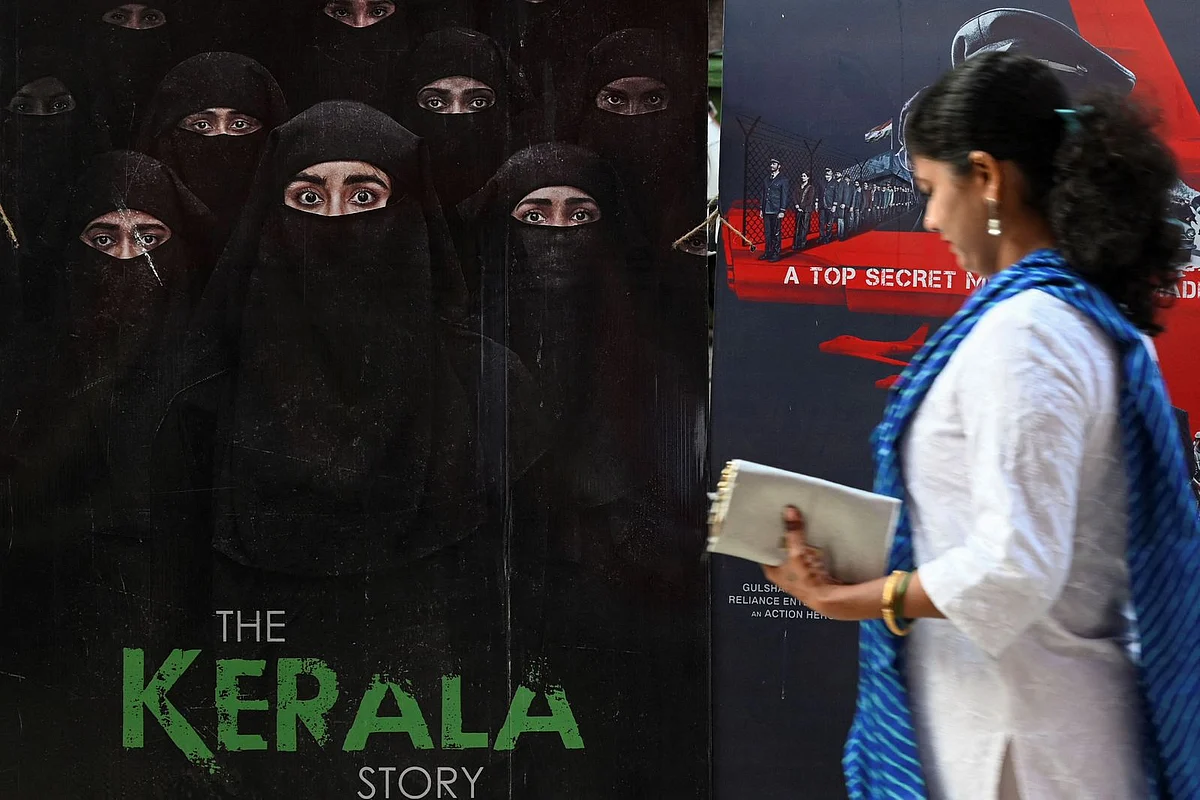
A moviegoer walks past a poster of the film – The Kerala Story – at a movie theatre in Mumbai.
Khan believes representation needs improvement from the top. “Commercial films have broad reach, shaping audience psychology. Highlighting these issues can lead to Bollywood 2.0.”
When Bollywood Got It Right
Mainstream Hindi films should heed audience sentiment. Films like Piku and Bulbbul showcased accurate cultural representation. Filmmakers can improve by sticking to facts, training actors, and hiring cultural advisors. “These measures can prevent missteps and ensure better representation,” Ghosh suggests.
Bollywood must adapt, as young audiences demand more. Stereotypes are called out, reel by reel, post by post.