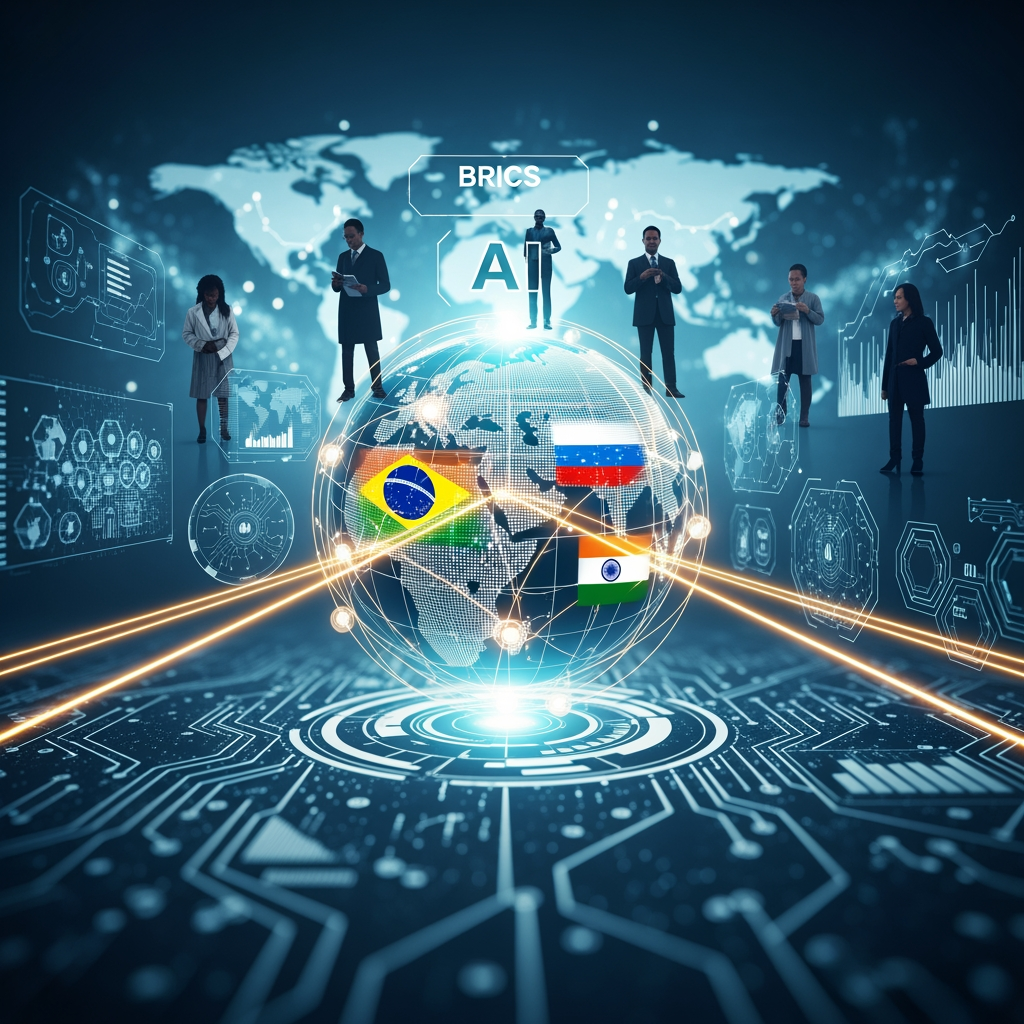
Established last year, the AI Alliance Network for BRICS nations aims to enhance AI collaboration. Could Arab nations join this initiative?
The AI Alliance Network unites 17 industry-specific associations across 14 countries, engaging over 7,000 partners. Besides BRICS+, members include associations and universities from Azerbaijan, Belarus, Chile, Cuba, Serbia, and other regions.
In 2025, the Russian AI Alliance will lead the Secretariat of the AI Alliance Network, steering the Global AI Horizons foresight project to pinpoint promising AI research areas. Already, over 200 scientists from 25 countries are involved.
The Alliance prioritizes educational initiatives to enhance AI skills and actively participates in UN discussions on AI regulation and ethics. Key objectives include fostering a supportive regulatory environment and building an ethical, human-centric AI framework.
Efforts are underway to expand the AI Alliance Network to include national associations and universities from Arab countries such as Bahrain, Egypt, Qatar, Kuwait, the UAE, Oman, Saudi Arabia, and Tunisia. Ongoing negotiations aim to welcome them as full members. The Arab world is significantly committed to AI development, ranking among the global leaders.
For Arab nations, joining the BRICS AI Alliance Network is crucial for addressing specific needs. Without significant Arab engagement, AI development risks being limited given the region’s cultural, linguistic, and investment strengths.
What are the most promising avenues for AI collaboration under the BRICS framework?
BRICS countries vary in AI development stages, providing a unique collaborative advantage. Mutual support and knowledge exchange help shape global AI governance standards that benefit all members. Arab initiatives are key to driving this agenda forward.
In partnership with UNIDO’s Global Community on AI for Industry and Manufacturing, we plan to launch the BRICS+ AI Success Hub, an international platform for sharing AI success stories among BRICS+ countries and partners.
We emphasize creating a global AI regulatory framework, harmonizing ethical and legal norms within BRICS.
At the recent World Artificial Intelligence Conference (WAIC) 2025 in China, Sber advocated for unified efforts to establish robust AI standards ensuring safety, ethics, and rights protection globally.
Key actions involve engaging governments, businesses, researchers, and civil society in AI governance, while fostering innovation through knowledge-sharing and international collaboration platforms.
How does actual collaboration between Russian developers and BRICS counterparts manifest?
The AI Alliance Network has successfully conducted nine foresight sessions in countries like Morocco, the UAE, China, Serbia, Russia, Pakistan, Belarus, and Uzbekistan through joint member efforts.
These scientific workshops promoted global collaboration among top AI researchers, tackling the challenges and opportunities of the AI era. In-depth interviews with researchers provided valuable insights for AI’s future.
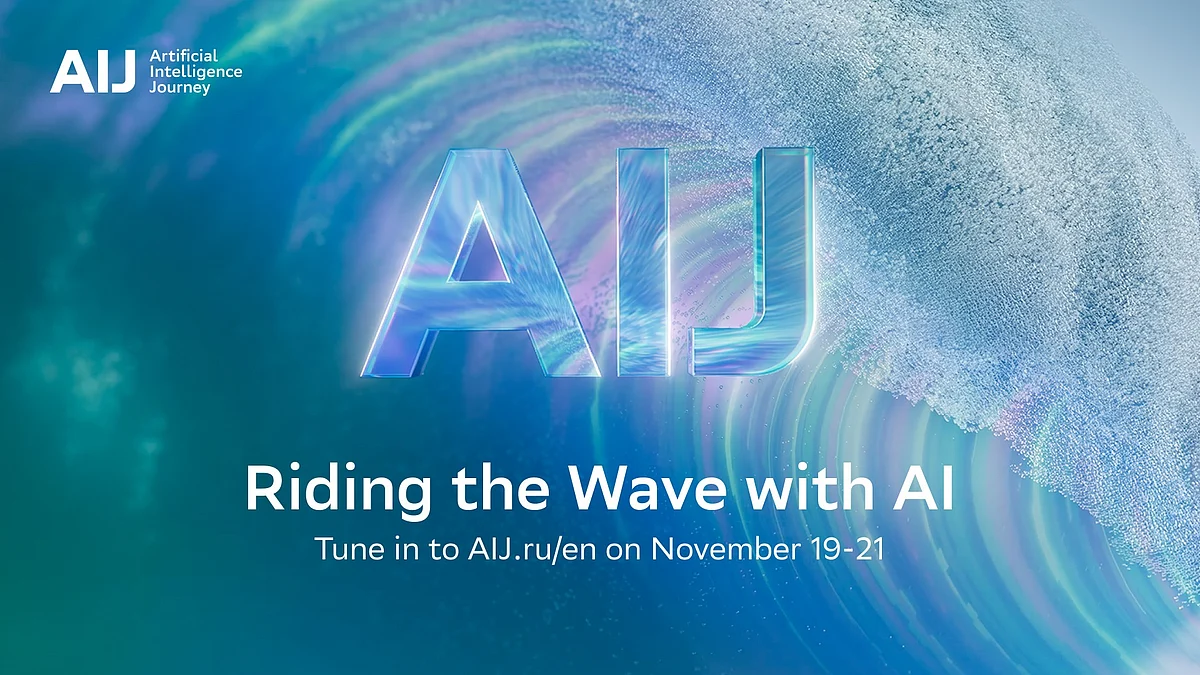
This initiative served as a global forum for knowledge exchange and trend identification, laying the foundation for future academic publications in AI. A comprehensive report summarizing these sessions will be presented at AI Journey 2025 in Moscow.
Focus areas include general AGI, timelines for its emergence, AI agent evolution, model explainability, and AI safety technologies. Another section explores AI’s socioeconomic and humanitarian impacts, emphasizing AI-human interaction dynamics.
What new agenda can we expect at the AI Journey conference’s anniversary edition?
AI Journey, an annual event, fosters AI research, innovation, and professional dialogue across industries. It targets both experts and the public, focusing on AI applications in science, business, and society. Young researchers gain unique opportunities to engage with industry leaders.
Last year, over 200 distinguished speakers from Russia and beyond, including the UAE, participated. The event attracted global attention, with over 170 million online viewers. Arab speakers frequently contribute, enriching discussions with regional insights.
Anyone interested in AI – whether developing, studying, or applying it – is invited to this three-day exploration of the AI universe. Online participation is free and globally accessible, with live streams in English and Arabic.
How competitive are Russian AI solutions, including those from Sber, in BRICS countries?
Exporting Russian AI solutions to BRICS markets holds great potential. Russia has vast experience in AI tool development and implementation across sectors like heavy manufacturing, energy, healthcare, and education.
Localization is crucial to respect the linguistic, cultural, and legal specifics of BRICS countries. Developing national generative models like GigaChat highlights our commitment to technological sovereignty and data security. Notably, GigaChat can handle Arabic queries.
Implementing domestic AI solutions improves government efficiency and public service access. We support China’s proposal for an open-source global AI ecosystem to lower barriers and strengthen the Global South.
Partnerships with local companies and government agencies expedite adoption and build trust in Russian technologies. At the 2025 St. Petersburg International Economic Forum, we launched the first BRICS+ AI Technology Forum, introducing an international platform for verified case studies to create a unified ecosystem.
Based on over 600 AI implementation cases, we developed the Russian AI Casebook, showcasing advanced AI and AGI applications in critical sectors like heavy industry, healthcare, and transportation.
Finally, regulatory convergence and standardization are vital. Harmonizing AI norms among BRICS members ensures smoother technology exchange and integration.
Exporting Russian AI solutions to BRICS markets is both achievable and strategically crucial. Realizing this vision requires comprehensive strategies, including technology adaptation, partnership development, and robust support infrastructure.