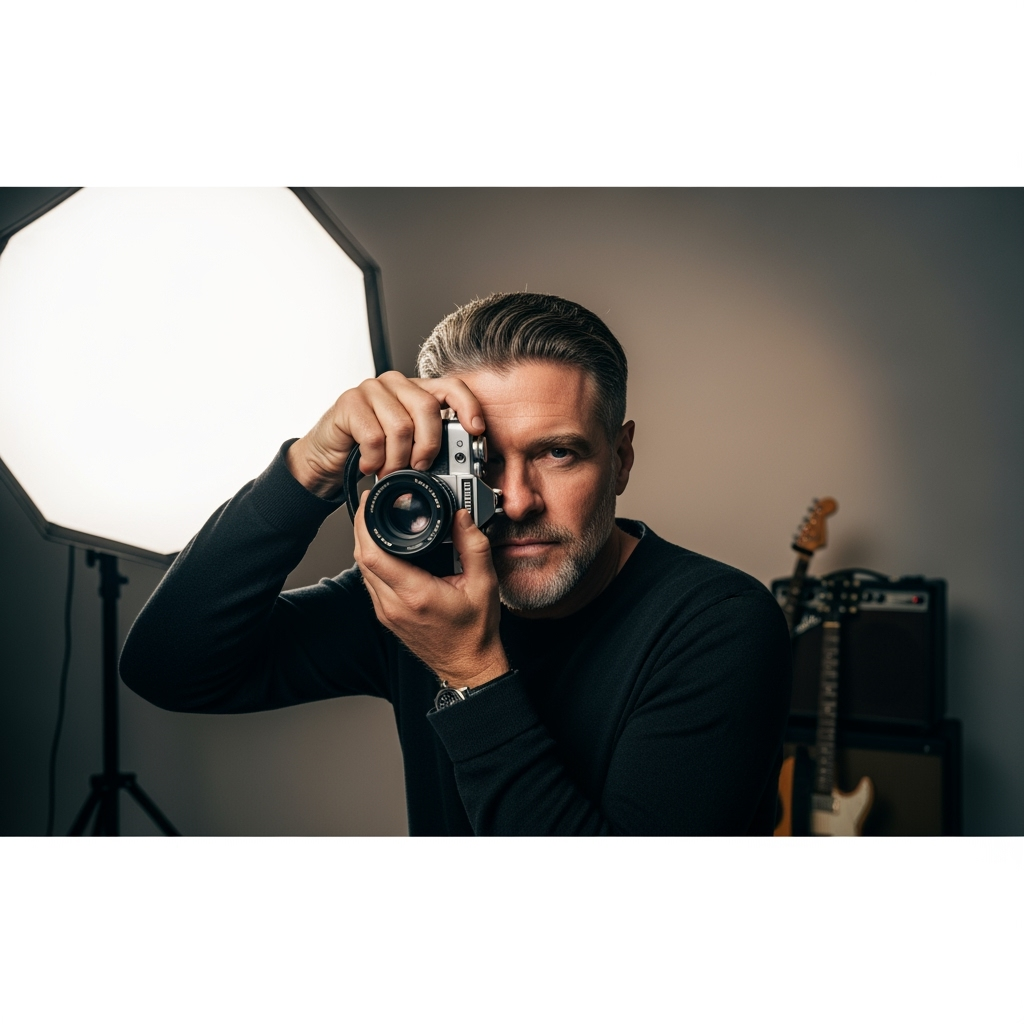
At a certain moment in a star’s career, the myth of their celebrity status surpasses the individual. The persona overshadows the person, leaving behind a face consumed by the public. Removing this persona becomes nearly impossible, but when achieved, it’s magical. The view should remain simple, clear, and unadorned, as even celebrities, beyond the myth, long to be truly seen.
This is the essence captured in Bryan Adams’ photography — the sensation of being genuinely seen. Despite featuring some of the most iconic personalities, from Amy Winehouse with her playful bangs to Mick Jagger striking his best poses, the photos reflect a unique iconicity not just because of the subjects, but also because of the photographer. The result is an intimate gaze, making viewers feel present in the moment the photo was taken.
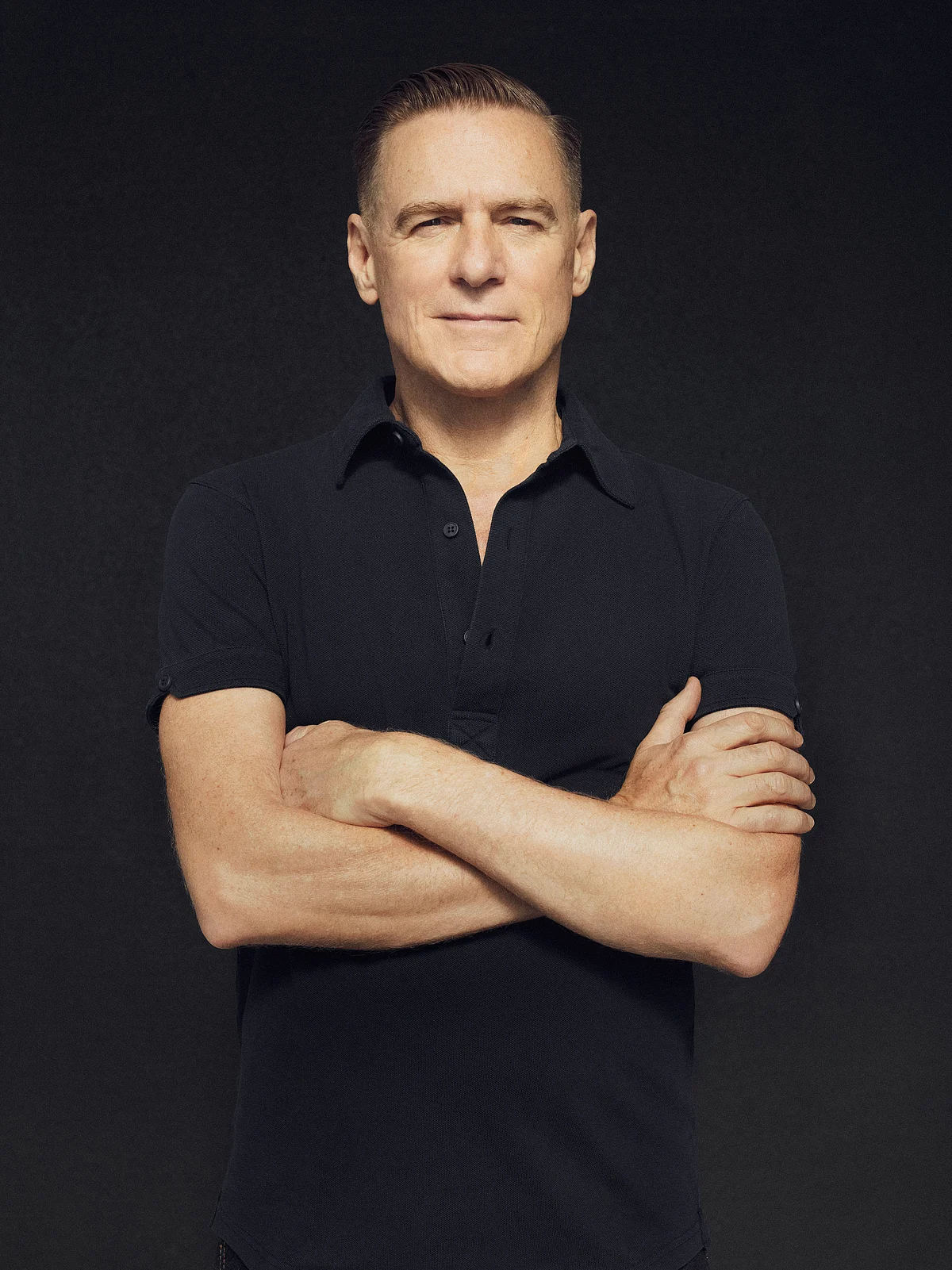
Bryan Adams
Known for his music, Adams now turns to photography, debuting in the Middle East with #SHOTBYADAMS at JD Malat Gallery. This collection features portraits from the past decade, following his 2012 release “Exposed.”
The book includes nearly 200 portraits of notable figures like Queen Elizabeth II, the Dalai Lama, Kate Moss, and Naomi Campbell. Adams’ work cuts through celebrity myths, revealing raw, intimate, and human sides, much like Andy Warhol’s legacy but through a modern lens. Giorgio Armani praises Adams’ simplicity in the book’s foreword.
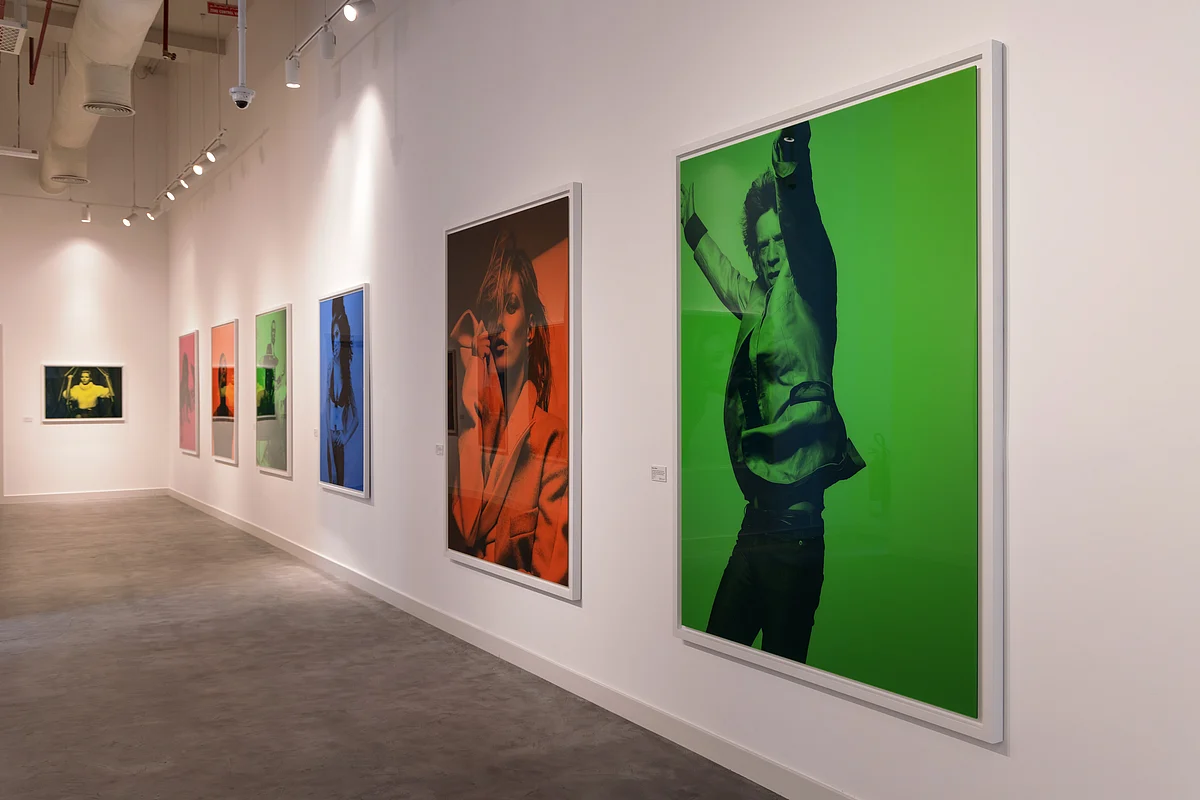
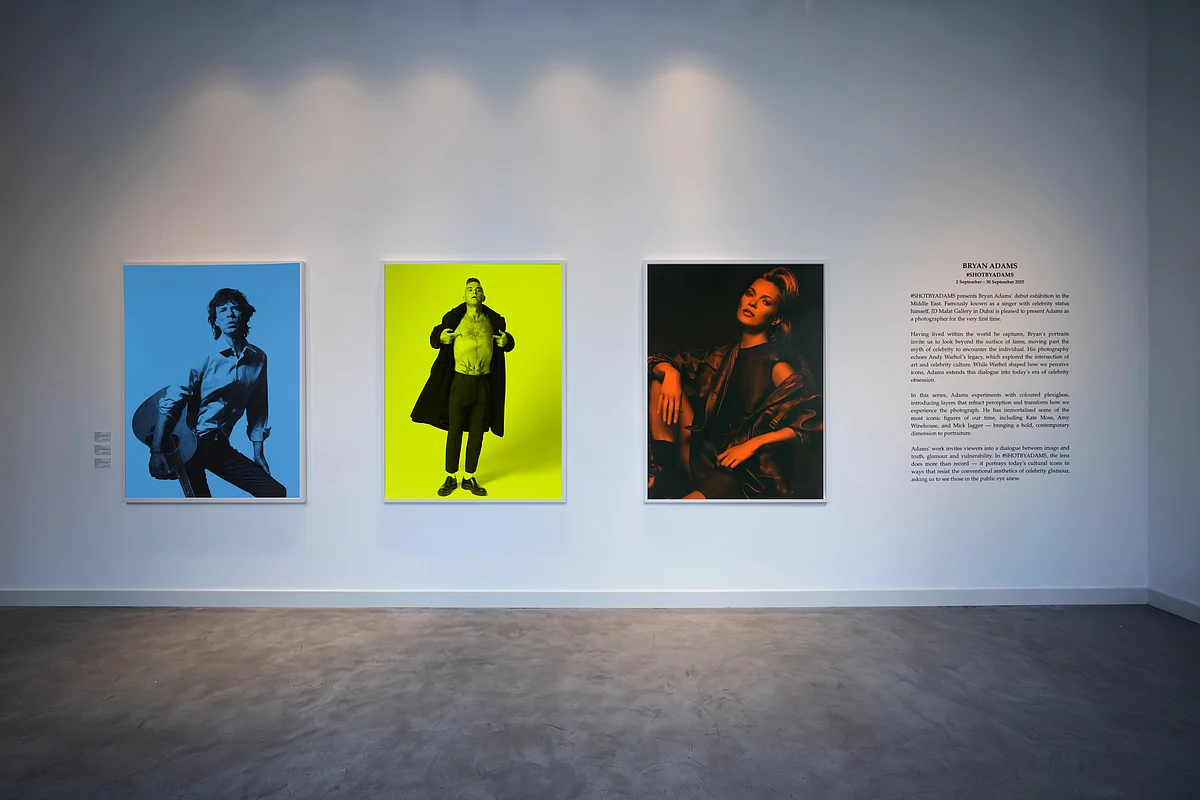
In his Middle East debut, the Canadian artist uses plexiglass to transform familiar images of cultural icons, encouraging us to look beyond celebrity clichés. We spoke with Bryan Adams about his photography journey and notable experiences. His responses reflect the authenticity of his music — timeless and heartfelt.
Excerpts from an interview with Bryan Adams:
How did your journey into photography start?
Bryan Adams: My uncle sent us film from Ilford Film. I was the only one in the family to use it, back in the ’70s. I can’t recall my first photo.
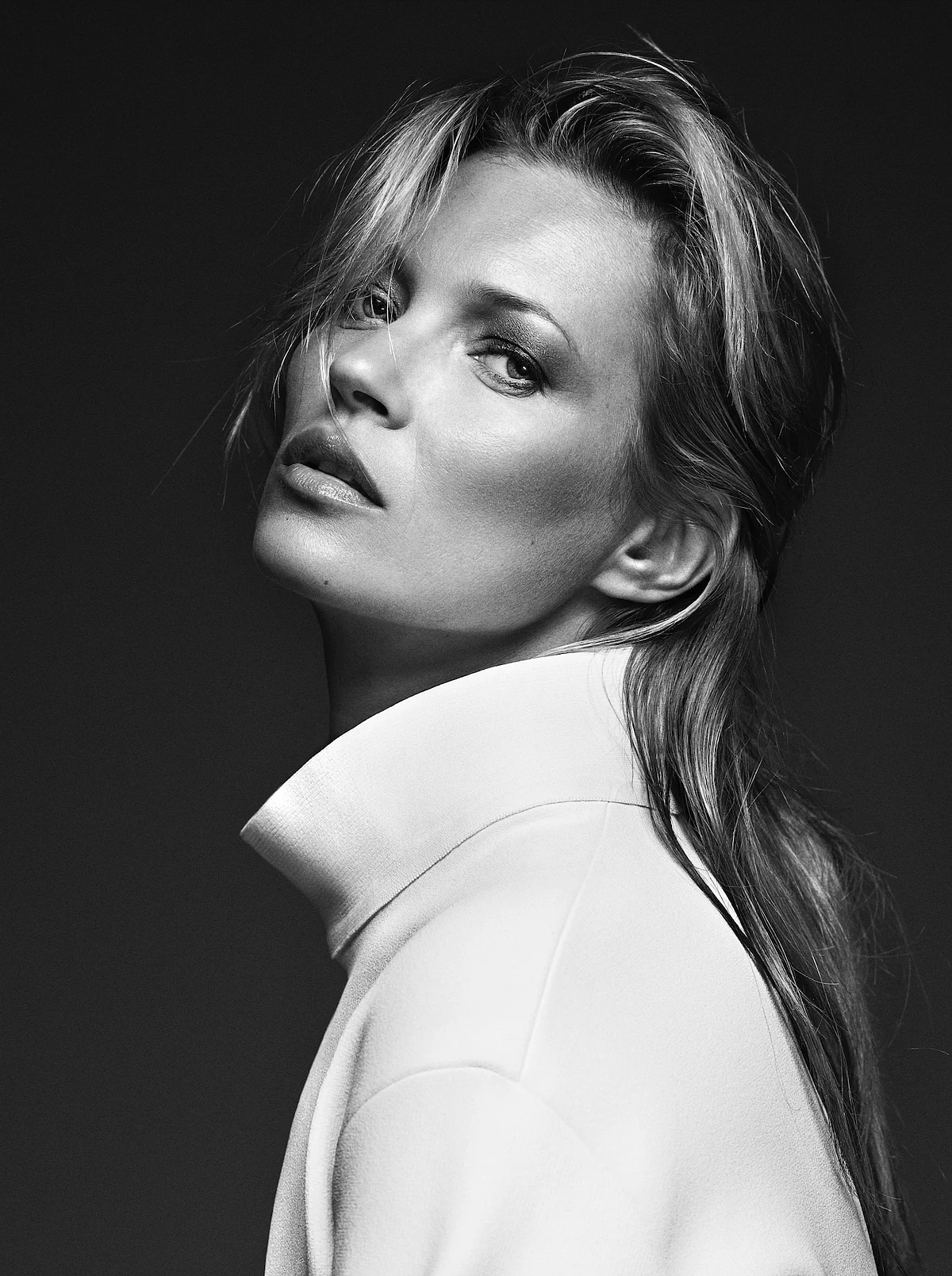
Kate Moss
Did photography express something that music couldn’t?
BA: Working on album covers piqued my interest. As I collaborated more, my excitement grew. Photography complements music, visualizing ideas.
Does nostalgia influence your photography?
BA: It’s more present in my music. In photography, I prefer looking forward.
What does black-and-white photography capture?
BA: It’s iconic and timeless. Color can date an image.
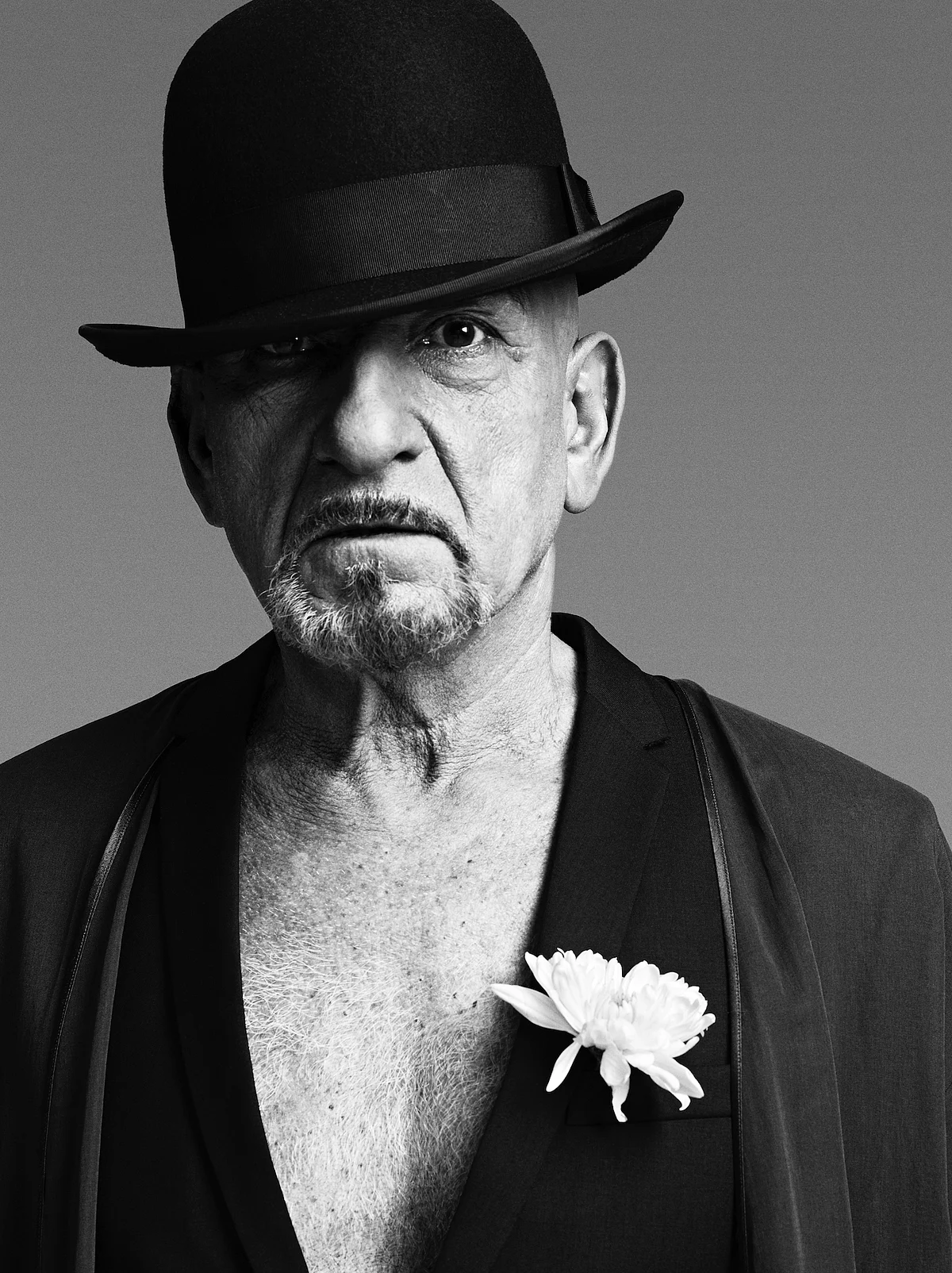
Sir Ben Kingsley
In “Exposed,” what did photographing icons reveal?
BA: Mick Jagger was a highlight. He even brought music to play during the shoot.
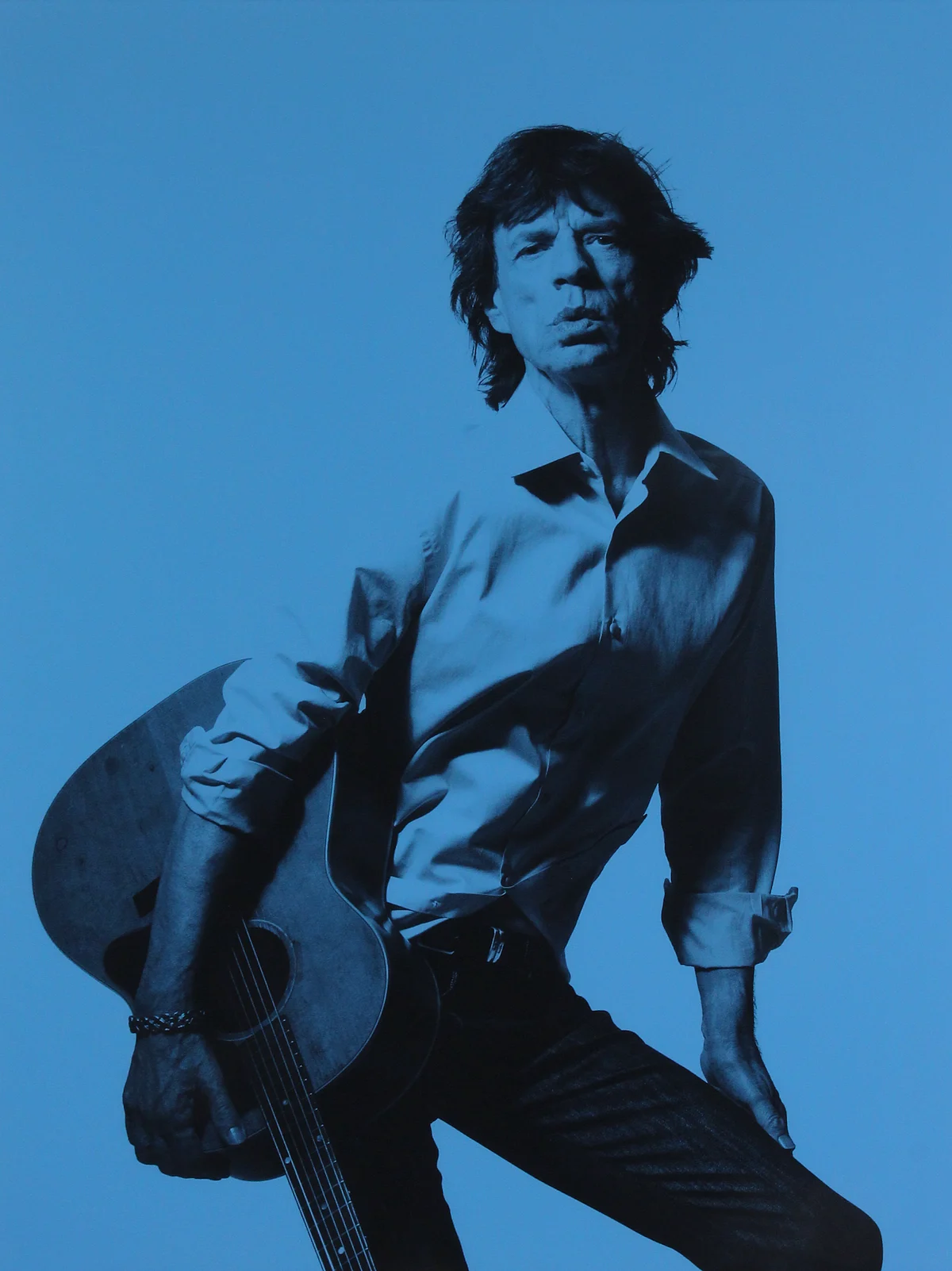
Mick Jagger
With Amy Winehouse, it was amusing. She initially resisted an outfit but ended up loving it.

Amy Winehouse
How has portraiture changed in the selfie era?
BA: It’s exciting. I even did an album cover on an iPhone!
In “Wounded: The Legacy of War,” what impact did the project have?
BA: It’s an anti-war statement. We were misled about Iraq. The book honors the wounded soldiers.
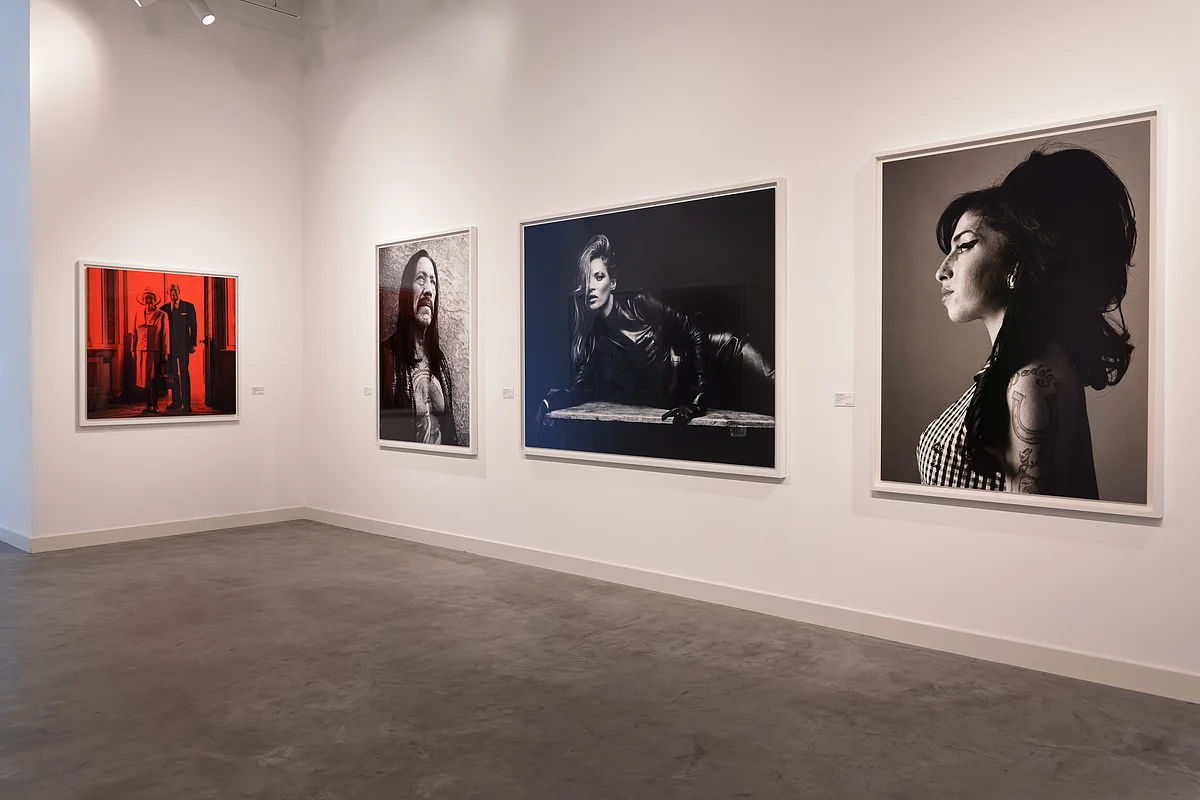
What does your Dubai exhibition signify?
BA: It’s a retrospective of a decade’s work, showcasing gratitude to everyone involved.
Why use plexiglass in your exhibition?
BA: Inspired by ’70s pop art, it’s about perception and seeing differently.
How does your style affect viewer engagement?
BA: I enjoy creating from nothing, which is the essence of photography.
Did digital culture influence your work?
BA: It was an art-inspired experiment, independent of digital trends.
Why debut in Dubai?
BA: JD Malat Gallery invited me.
How do you create timeless music?
BA: I write for myself, hoping others will enjoy it too.
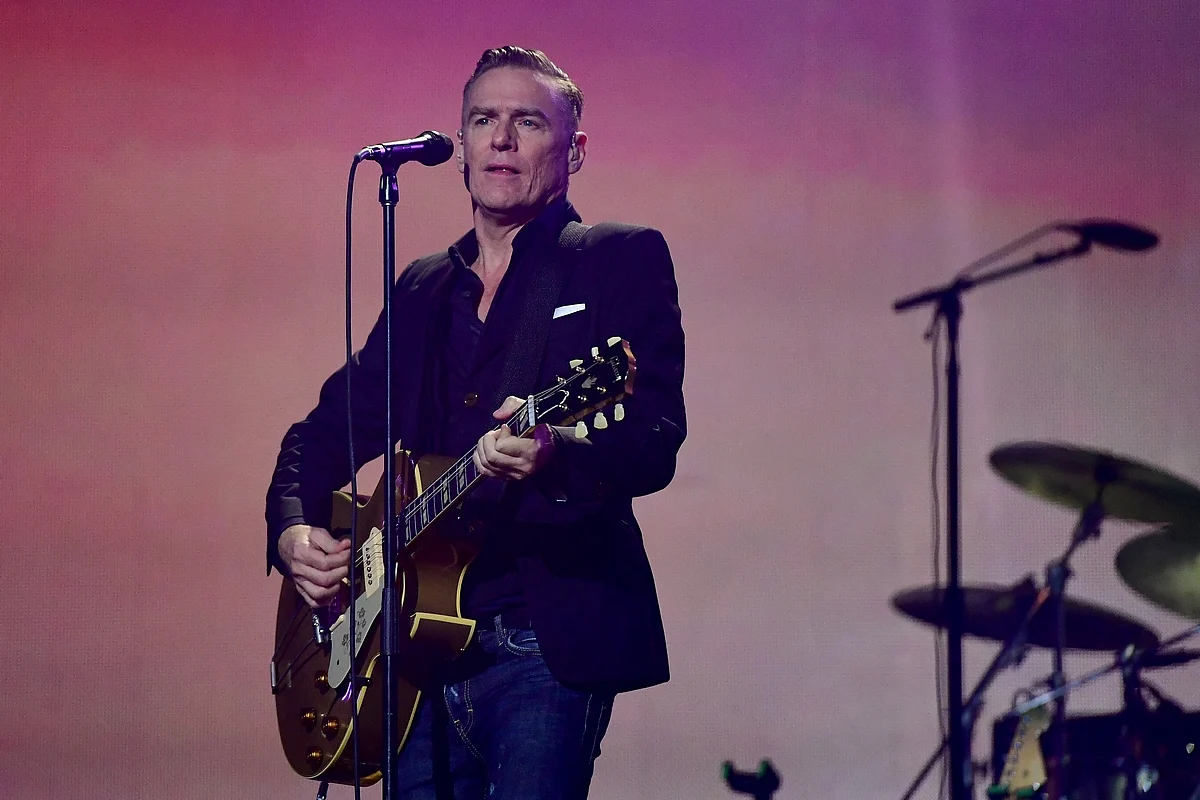
How do you respond to the emotional connection fans have with your music?
BA: Music is powerful; it connects and comforts us, making life less lonely.
What do you hope your legacy in music and photography will symbolize?
BA: That anyone can rise from nothing and bring joy to others.
The exhibition runs until September 30 at JD Malat Gallery, Downtown Dubai, open Monday to Sunday from 10am to 10pm.
somya@khaleejtimes.com