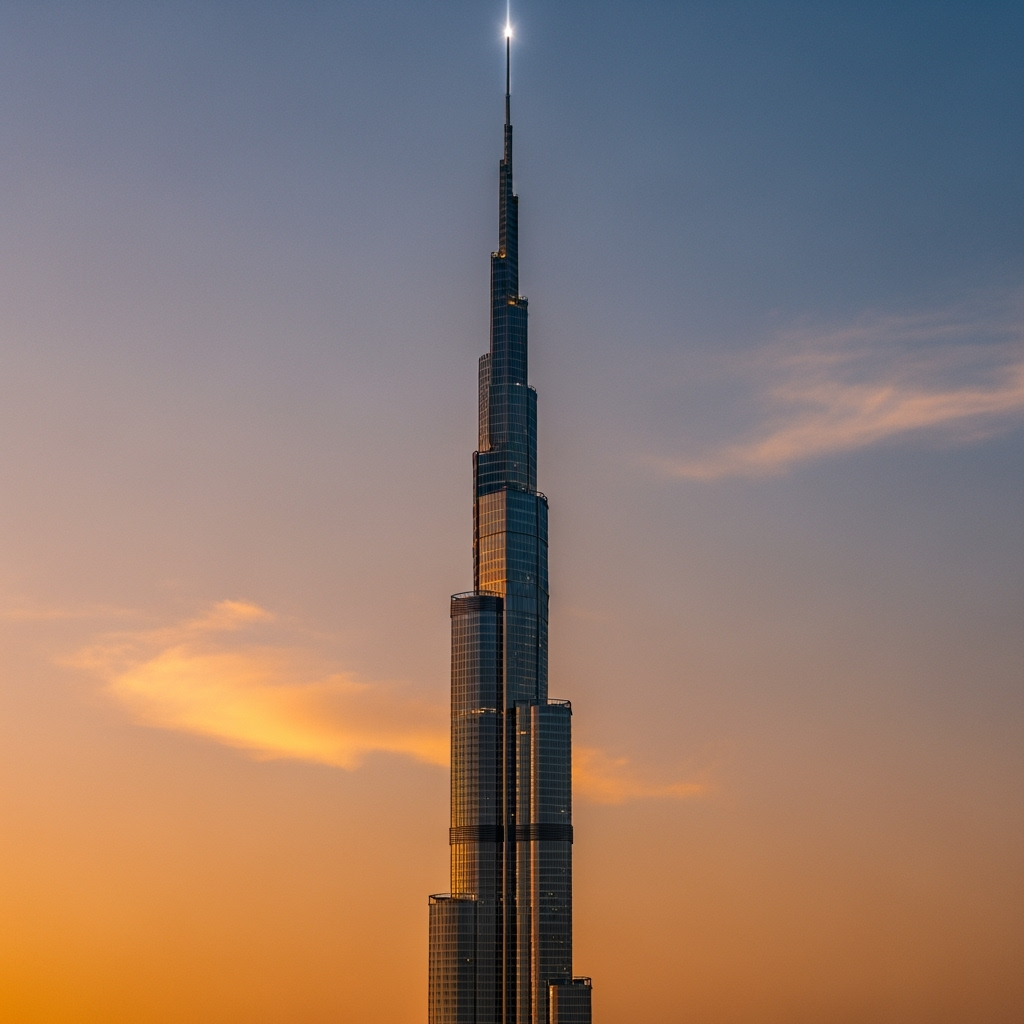
Long-time UAE residents may remember the grand inauguration of the Burj Khalifa on January 4, 2010. Lights, fire, and water spectacularly unveiled the iconic 2,722-ft skyscraper, with the dancing fountain swaying to music and fireworks bursting from all angles—even sideways from the building—creating an illusion of a towering Christmas tree piercing the sky. Strategically placed glittering lights hinted at its record-breaking height, shrouding it in mystery for a moment before powerful lights illuminated Dubai, the UAE, and television screens globally, declaring confidently that the world’s tallest building now stood in Dubai.
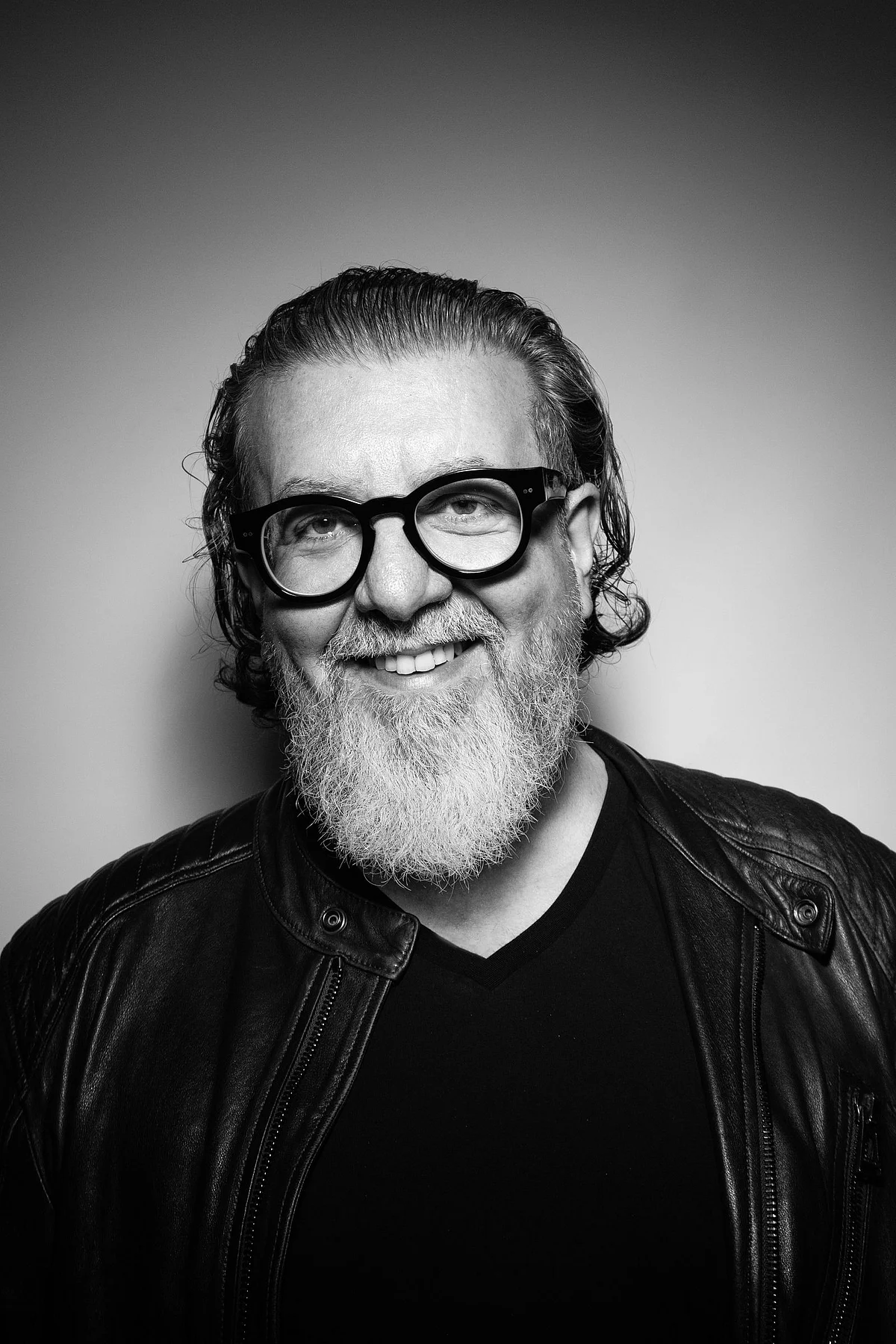
Shwan Alhashimi, managing director and founder of Archiplexus, recalls watching the event on TV in Auckland, New Zealand, where he worked as an architect. He describes it as a “world event” with “all eyes on Dubai for its astonishing architecture and incredible projects emerging.”
Raised in Dubai, Alhashimi grew up when the Dubai World Trade Centre was the tallest structure. “We’d visit family in Abu Dhabi, and seeing the Trade Centre from afar meant we were close to Dubai,” he fondly remembers.
It’s natural for iconic buildings to become directional beacons. In 2010, amidst the global financial crisis aftermath, many yearned for stability. The Burj Khalifa, towering over the globe, symbolized hope, strength, and resilience. “The Burj Khalifa opened a new chapter in world history,” Alhashimi states. “It’s an incredible engineering feat, embodying ambition and vision.”
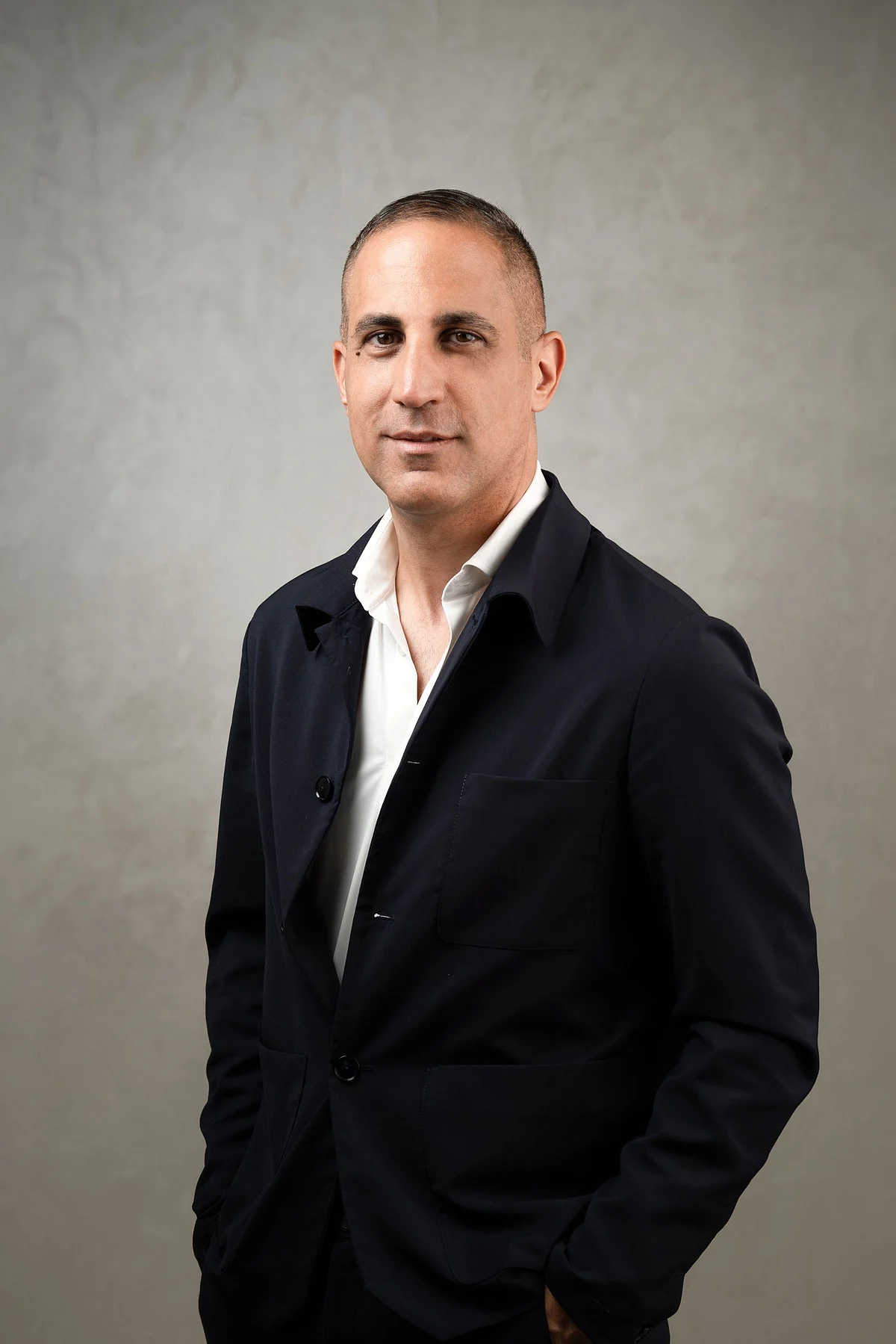
Ahmad Al Matrooshi, Emaar Properties’ executive director, notes, “Celebrating 15 years of Burj Khalifa reminds us of the transformative power of bold ideas and visionary leadership. The building is integral to Dubai’s identity, attracting millions worldwide and inspiring future generations. This milestone reflects Emaar’s commitment to excellence.”
Reaching for the Sky
Mohammed Adib, founder of Intercon, recalls Burj Khalifa’s early days when it stood in a desert. “There was dust and land with almost nothing around,” he says. Adib highlights that before Burj Khalifa, Dubai had few luxury buildings as it transitioned from a “desert town to a cosmopolitan city.” “Dubai’s symbol was the airport control tower… Then came Burj Al Arab, known as the most luxurious seven-star hotel. Burj Khalifa put Dubai on the map.”
Adib closely followed Burj Khalifa’s development for five years before its debut. “We visited the site with friends and architects to observe its progress.” He recalls the secrecy surrounding its height and design. “No one knew,” he says. “Industry rumors speculated about elevator speeds and functionality—everyone had theories, but all were proven wrong.”
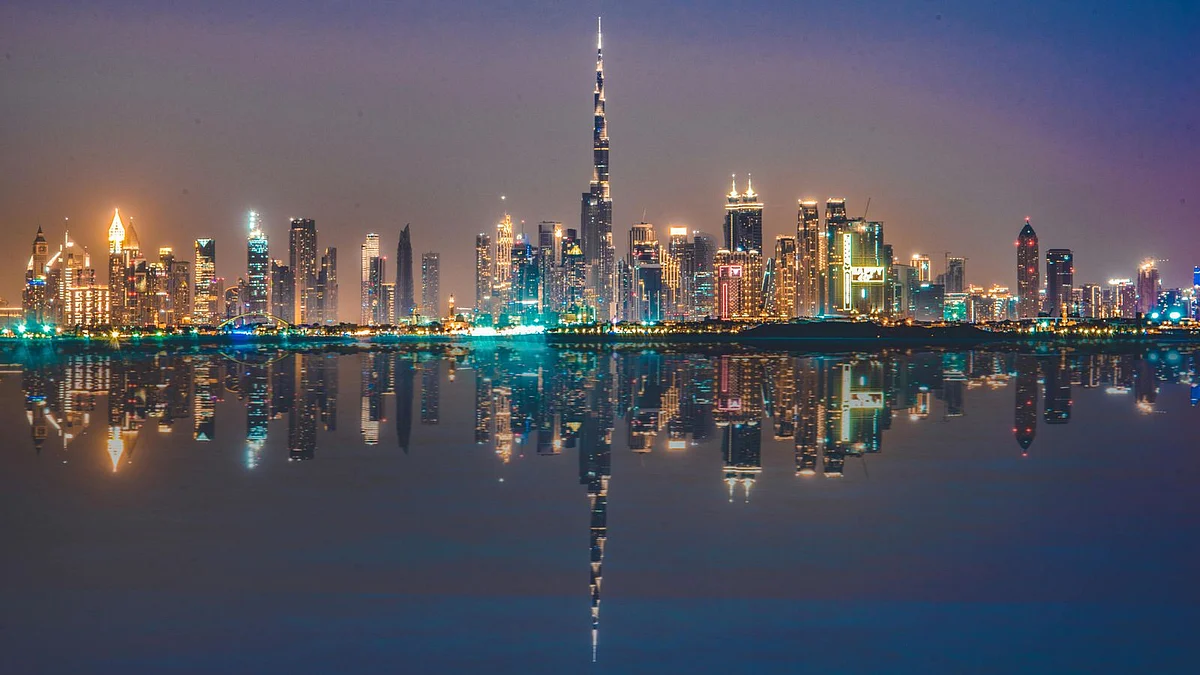
Mega cities like London, Hong Kong, and New York have distinct skylines with iconic structures. Tariq Khayyat, co-founder of tkdp, notes architects worldwide were eager to see how Burj Khalifa would fit into Dubai’s skyline. Khayyat admires its “elite and elegant” look, emphasizing its beauty in scale and proportion balance. “Its seamless integration of podium, hotel, offices, and apartments made it a perfect fit in the skyline,” he remarks. “Show anyone the skyline silhouette, and they’ll recognize it as Dubai.”
Redefining Limits
The project defied expectations from the start. Adib explains that while tall towers are usually bulky, Burj Khalifa rose elegantly, floor by floor. Built on tricky sand, not solid ground, “anywhere else, they’d choose another solution,” he says. “But it pushed boundaries, making anything seem possible.”
“Everyone’s trying to surpass it now,” he adds. “Talks of Dubai Creek Harbor and a 2km tower… These wouldn’t exist if this hadn’t been done. It changed engineering and architecture worldwide.”
Alhashimi says Burj Khalifa is unique among skyscrapers. “Most skyscrapers maximize land use for profits. But the world’s tallest building must symbolize elegance and tell a story,” says the architect, who studied it extensively. “It has to counteract wind pressure… The deep piles are a design marvel.”
A Home in the Clouds
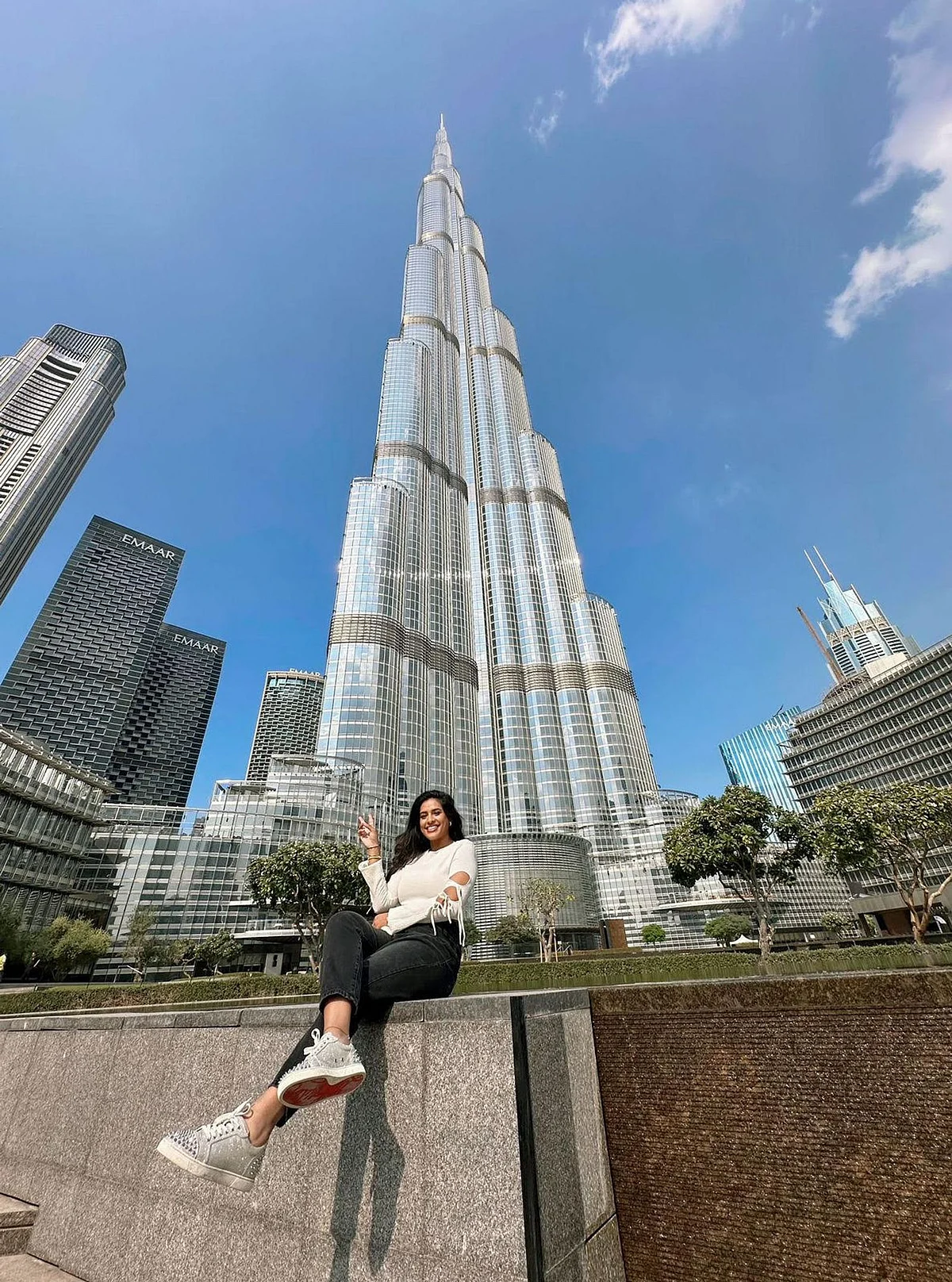
What’s it like living at one of the world’s most famous addresses? Veena Munganahalli offers a look from her 99th-floor apartment in Burj Khalifa. The view is breathtaking and feels safely tucked away from the chaos below. Windows remain closed, though. “Or else we’d fly away!” she laughs.
The mixed-use skyscraper houses 900 residences, and Veena praises its impeccable services and facilities—from housekeeping, concierge, food delivery, valet, and an app for booking services, to a gym, spa, tennis court, meeting rooms, lounge, and kids’ playground—operating like a well-oiled machine. “Everything’s nearby, including the mall,” says her 17-year-old daughter, Jhilika Deepak. Veena adds they enjoy Dubai Opera shows, Armani Hotel discounts, and front-row seats to New Year’s fireworks.
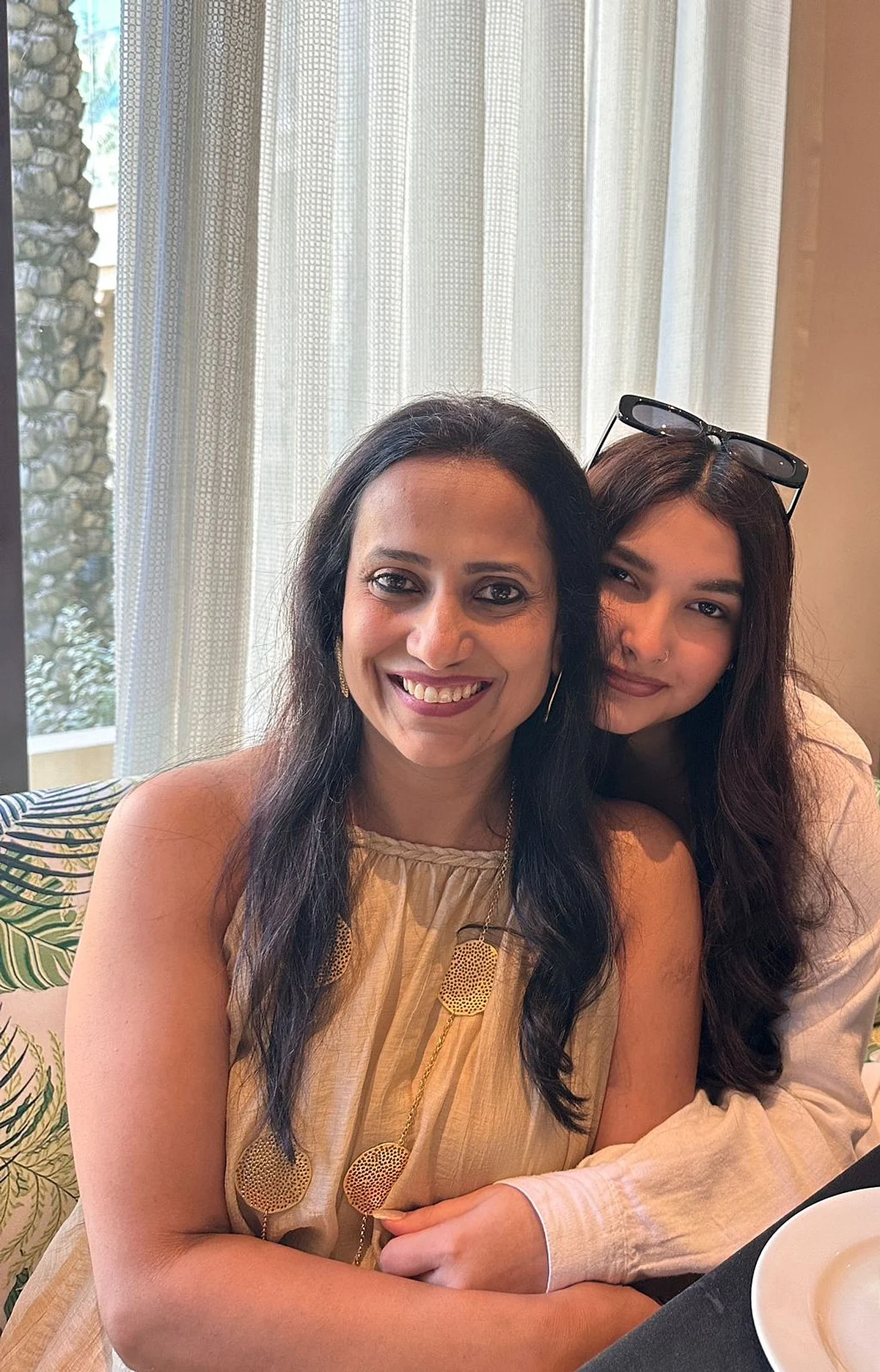
Dr. Mina Jethu, born and raised in the Netherlands, shares her Burj Khalifa life, travels between the Netherlands and Dubai, and dental experiences on TikTok. “It’s unparalleled luxury, with exceptional service and top-level security.”
Veena and Mina highlight the camaraderie among residents. “This blend of exclusivity, community, and a welcoming environment makes living extraordinary,” Mina adds.
Mohammed Adib enjoys exploring and living around the city, noting every apartment he’s lived in offers a Burj Khalifa view. “Some buildings become boring over time, but the more I see Burj Khalifa, the more I like it,” he says. “Its light changes throughout the day, visible from everywhere. Subconsciously, you always look for it while driving.”
ALSO READ:
Burj Khalifa NYE 2024 fireworks: Front-seat view for up to Dh5,000 per person
Living in Dubai’s Burj Khalifa: Residents reveal intense New Year’s Eve preparations