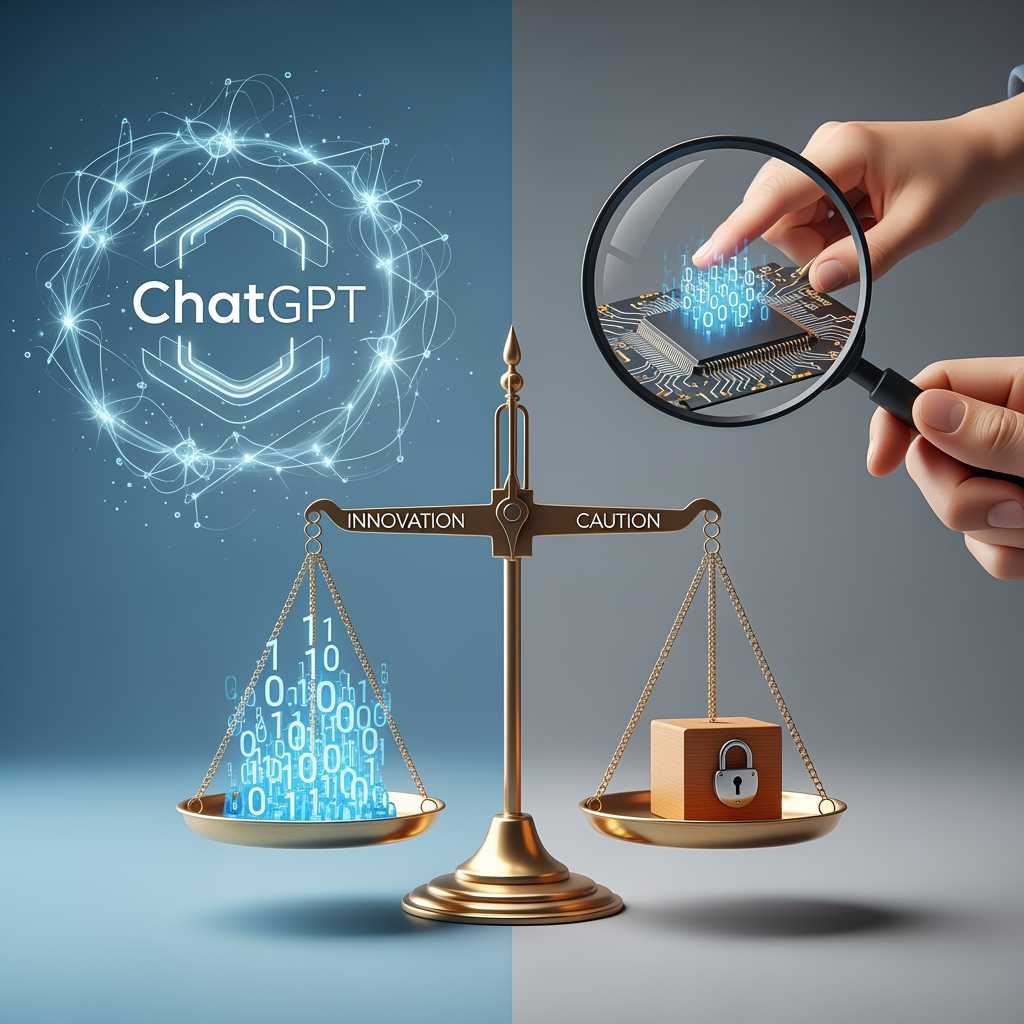
ChatGPT has emerged as a leading digital assistant worldwide, aiding students in drafting essays, assisting professionals in summarizing reports, and helping brands brainstorm campaigns in mere seconds. However, its simplicity and speed come with a downside: users are beginning to trust it excessively.
Industry veterans, tech journalists, and even OpenAI CEO Sam Altman caution users to approach the chatbot with care. From privacy concerns to factual inaccuracies, the risks associated with careless use of ChatGPT are becoming more apparent in education, business, and everyday life.
Confidence hides confusion
ChatGPT’s key strength is also its major flaw. It writes confidently, even when incorrect.
Altman has acknowledged the AI’s tendency to “hallucinate,” producing information that appears accurate but isn’t. The issue, as he described, is that “people place a significant amount of trust in something that can be confidently wrong.” This is particularly hazardous for students and researchers. The chatbot might cite non-existent sources or create data that seems reliable. According to a Times of India report, educators caution that over-reliance on AI tools could undermine critical thinking and fuel a new wave of digital misinformation. ChatGPT can be persuasive, but it doesn’t know the truth. It predicts text patterns. Treating it like a search engine is among the most common user errors.
The price of easy chat
Analysts note that users often share personal or confidential information with ChatGPT, unaware that their data could be stored or used to train future models.
Experts strongly advise against sharing anything that should remain private, such as financial details, medical information, passwords, or corporate documents. In a notable incident, developers accidentally leaked internal company data while using ChatGPT to debug code, unaware that their inputs were being saved. The logic is straightforward. Once information is entered into an AI system, control over its use can be lost permanently. Privacy policies can change, and even anonymized data can sometimes be reconstructed. As businesses increasingly depend on digital assistants, many are crafting AI-use policies to ensure sensitive information isn’t inadvertently fed into public chatbots.
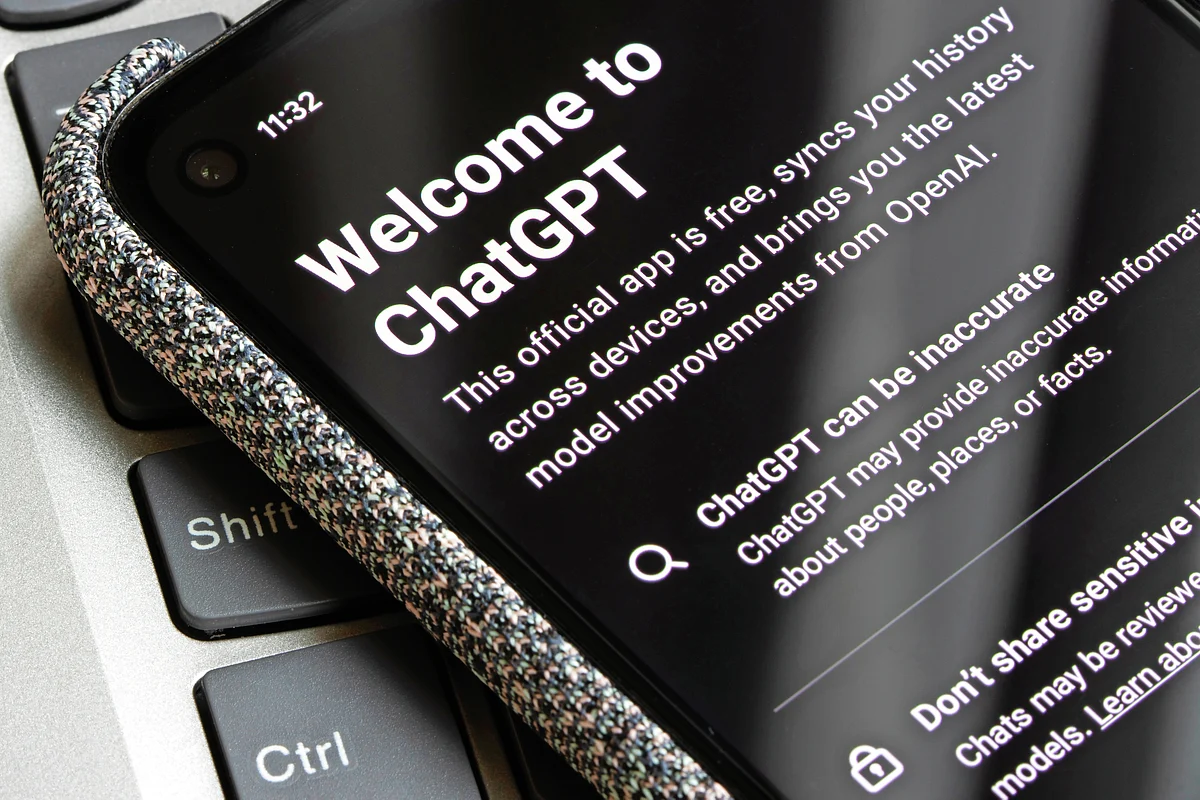
From privacy concerns to factual inaccuracies, the risks of using ChatGPT carelessly are becoming more apparent in education, business, and everyday life.
Tasks AI should avoid
Not all tasks are suitable for artificial intelligence. Analysts pinpoint several tasks that ChatGPT should not handle without human supervision, including:
> Medical or legal advice, where missing subtleties could have serious repercussions
> Financial forecasting or investment planning, as the model can’t access real-time data
> Academic work, where plagiarism and fabricated references are prevalent
> Sensitive human resource or ethical decisions, which require empathy, context, and intent
Experts agree that ChatGPT is most effective as a starting point, not an endpoint. It can assist but cannot decide.
Guidance, not bans
While some schools have banned ChatGPT, many educators argue that the solution lies in smarter use rather than restriction. When used responsibly, it can enhance research, improve language skills, and inspire students to explore new ideas. Teachers stress the importance of AI literacy, understanding when to question, verify, and cross-check the output. ChatGPT should support critical thinking, not replace it.
The human element still matters
Artificial intelligence has reached a point where it can mimic intelligence but not judgment. Whether in classrooms or boardrooms, the risk isn’t in what ChatGPT says, but in how readily people accept it.
As CNET mentioned: “ChatGPT does not think, it generates.” For now, the savviest users are not those who craft the most creative prompts, but those who know what not to ask. The technology is evolving rapidly, but until it can distinguish fact from fiction, humans must remain the final editors in this era of AI-generated truth.