When we inquired why our Aeroflot flight from Dubai to Moscow had made an unexpected stop in Nizhny Novgorod, the cabin crew maintained an unwavering composure reminiscent of Putin.
Nizhny Novgorod, Russia’s sixth-largest city, is beautifully situated where the Oka and Volga rivers converge. Though the Volga has inspired many Russian literary giants, it did little to spark my imagination as we anxiously waited in the plane on the runway.
Why was our flight rerouted? Could Moscow be under threat? Have Ukrainian missiles breached the capital’s renowned defense systems?
Amidst these unsettling thoughts, a flight attendant finally smiled, announcing our clearance for takeoff to Moscow.
Approximately 45 minutes later, as the captain instructed the crew to prepare for landing, I gazed out at the sun setting in a surreal blend of gray and gold. The sight of expansive green landscapes, interspersed with streetlights and elegant villas, provided a soothing relief after hours of tension.
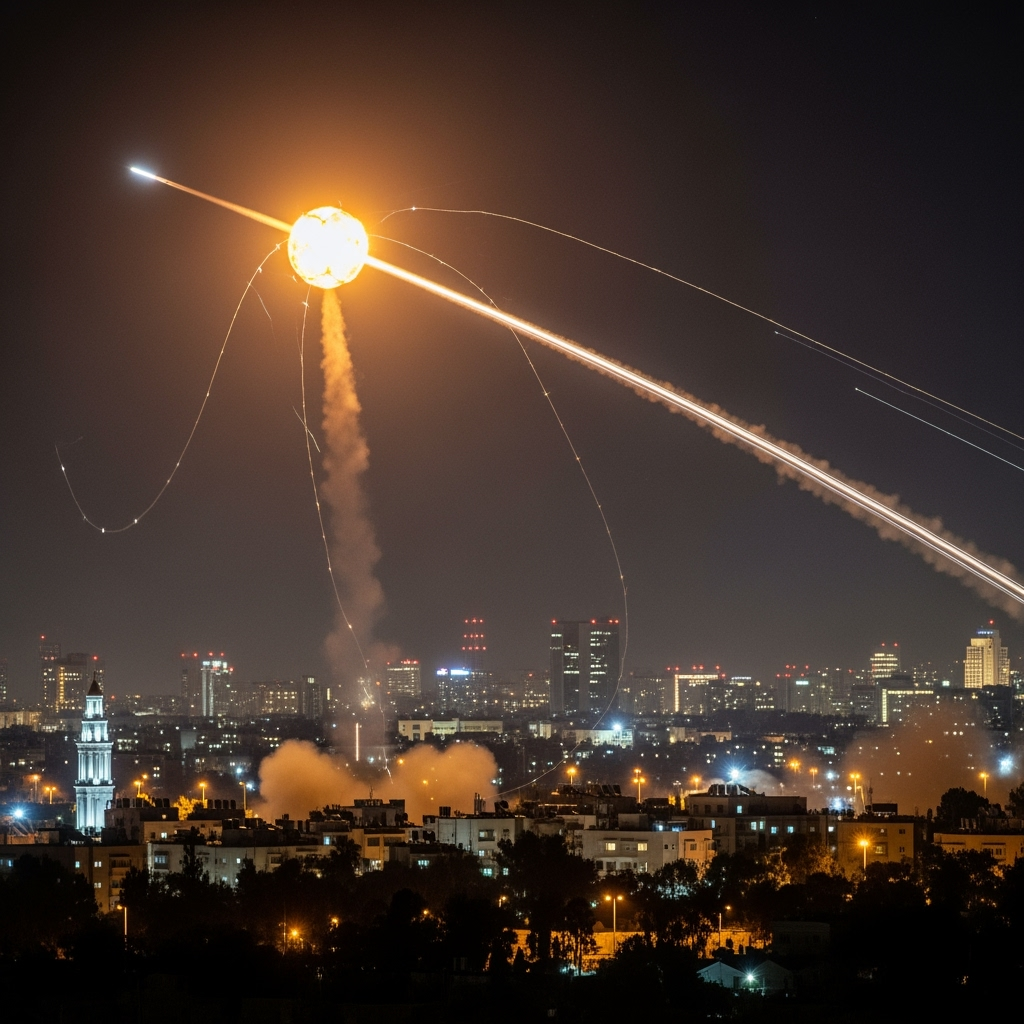
Upon reaching Moscow airport, the free Wi-Fi confirmed my fears: the airspace had briefly closed due to a drone attack repelled by Russia’s defense.
“Are we truly safe?” I pondered nervously. Before my thoughts could spiral, a lively game of hide-and-seek among toddlers, and a security guard assisting an elderly woman with her luggage, caught my attention.
A couple of young girls giggled, sneaking glances at a handsome officer at one of the counters.
These ordinary scenes at the airport reassured me. Moscow was embracing a nervous traveler, assuring peace in a city rich with history.
From Drone Alarm to Delightful Surprise
Does Putin’s Soviet-inspired ambition verge on insanity? Has Ukraine been deserted by its allies? Such complex geopolitical queries might linger if you’re glued to continuous news updates.
However, during my cab ride to the hotel, what intrigued me was the ‘Russianisation’ of global brands like Starbucks. Since the Ukraine conflict began in 2022, Western companies leaving Russia led to new chains like Stars Coffee, whose logo, featuring a woman with a star, eerily resembles Starbucks’. Stars Coffee appeared several times during my 45-minute taxi ride.
Upon reaching Novotel Kievskaya at night, a delightful surprise awaited me. Alex, our media team coordinator, warmly hugged me in the lobby, gifting me a box of Russian chocolates.
“This isn’t from our office, but from me, a token of gratitude for visiting my country,” Alex smiled, bowing slightly.
“Now rest, my friend, and see you in the morning. You’ll have an amazing time in Moscow.”
Moscow: A Hidden Gem
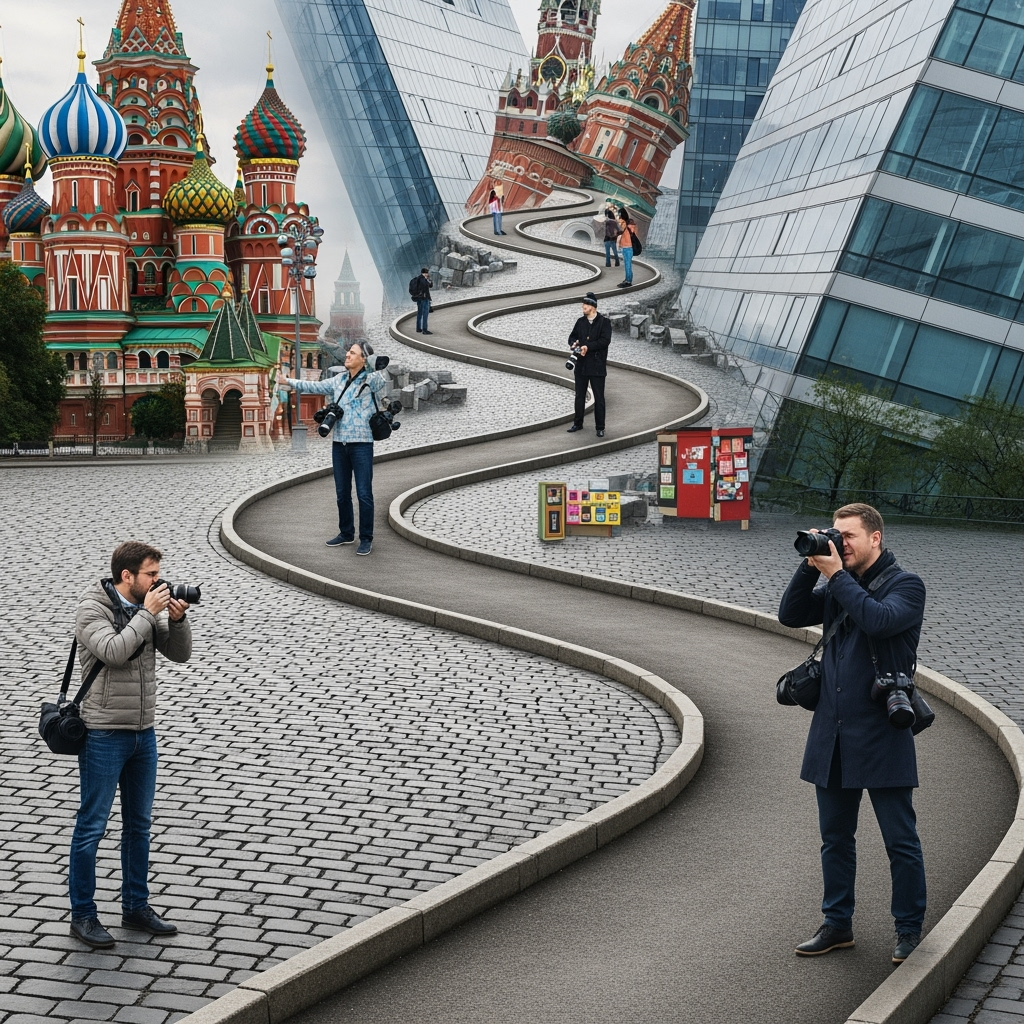
The next morning, after attending a cybersecurity festival at Luzhniki Stadium with fellow journalists from Dubai, we ventured to Moscow’s iconic Red Square. The Kremlin and St. Basil’s Cathedral aren’t the sole awe-inspiring sights.
Moscow’s beauty is unforgettable—its sprawling parks along the Moskva River, immaculate wide roads lined with majestic Soviet-era buildings, and grand underground metro stations adorned with awe-inspiring artworks and chandeliers that resemble luxurious exhibition halls.
Launched in 1935, the Moscow Metro is timeless. “It’s a masterpiece; no other European city has such grand metro stations,” Alex proudly noted.
The Russian capital beautifully blends the old and new, where modern skyscrapers coexist with Soviet-era monuments and museums.
Yet, unlike European hubs—Paris, Rome, London, and Barcelona—Moscow seldom graces global travel bucket lists.
But Artur Russo stands apart. A Brazilian who lived in Russia from 2016 to 2018, Russo couldn’t resist Moscow’s allure, even after returning to Sao Paulo.
“I missed Moscow so much that I started making TikTok videos in Brazil, discussing Russia and this amazing city. The videos gained popularity, amassing 30,000 followers on TikTok,” Russo shared.
Despite sanctions post-Ukraine war, Russo returned to Moscow in 2024 as a marketing director.
Remarkably, he now creates Instagram content on his page, Brazilian_in_Russia, to reshape perceptions of this vast Eastern European nation and its capital.
Russo pinpointed one reason why Moscow is the world’s most underrated tourist destination.
“I believe it’s Western propaganda. Many from my country visit Europe. But few venture to Moscow or Russia because Brazil is heavily influenced by Western media. People form opinions based on what Western media reports,” Russo explained.
“I think the Russian government hasn’t aggressively promoted the country as a tourist spot. I hope they do more, as it’s a stunning country, especially southern Russia.”
Tourism Amid Conflict
While Russia’s allure drew Russo back from Brazil despite ongoing war, Oleg shares stories of Moscow’s famous landmarks with visitors. Like all skilled guides, Oleg has a sense of humor. “I know Putin very well,” Oleg joked as we admired the Kremlin walls. “But it’s another story—Putin doesn’t know me. I don’t blame him; he never got the chance to meet me!”
However, Oleg’s smile faded when I asked if tourism had suffered due to the Ukraine war. “It’s been hit hard,” he admitted, blaming Western advisories that caution against visiting Russia.
“Previously, we had tourists from Australia, America, Canada, and Europe. Summers were bustling. Now, at best, we get two or three tourist buses a day.”
Amid dwindling Western visitors, Oleg noticed a new trend: more tourists from India, China, and the Middle East, especially Egypt. “Perhaps direct flights make it easier and cheaper for them,” he speculated as Moroccan tourists posed with St. Basil’s Cathedral.
Dubai resident Natalia Pankina, the first Russian woman to solo swim the English Channel in 2007, was also surprised by the influx of Middle Eastern tourists to Moscow’s historic sites.
“I saw many Emiratis and others from the Gulf in Moscow last year. I was thrilled to see them, especially the Emiratis,” Pankina said.
A City of Safety
It’s fascinating how easily Muscovites live their lives, offering a sense of security even when walking alone at night.
For a Dubai resident, known as the safest city globally, it was surreal to feel a similar calm in a country amid war.
Russo, who resides in Moscow with his Russian girlfriend Alina, has visited several Western European countries, which traditionally attract more tourists annually. But he’s never felt safe in those places, including metro stations in cities like Paris. “That’s why I post videos on Instagram to show the real Russia, where people feel safe. Many from America and Germany left positive comments after watching my videos,” he said. “It’s crucial to dispel misconceptions about Russia as dangerous. It’s very safe; you can walk here all night—even with an iPhone, no one will bother you. That’s why I want to live here forever.”
For someone who struggled to convince UAE friends that Russia isn’t home to ‘horned people,’ Pankina feels goosebumps hearing positive remarks about Russia from foreigners like Russo.
“Many Dubai friends wanted to visit Russia for the 2018 World Cup but were scared due to media reports painting Russia as dangerous,” Pankina recalled.
“But when they eventually went, they loved it. They traveled to many cities by train without issues. They realized the media stories before the World Cup were false!”
Echoes of Lennon
On our last day in Moscow, as we emerged from a metro station at sunset, a group of young soldiers sat on a bench, smoking as cobbled streets came alive. They saw no war scars, just happy faces under decorated streetlights. Nearby, five teenage girls danced in sync, seemingly for an Instagram reel.
“They’re enjoying a break before returning to their base,” Oleg smiled, indicating the soldiers watching the girls.
Yet, I couldn’t find joy in their expressions. Their hauntingly blank faces echoed Lennon’s ‘Imagine,’ as I wondered if these young men could ever dream of soaring above man-made borders to enjoy sunsets from a window seat.