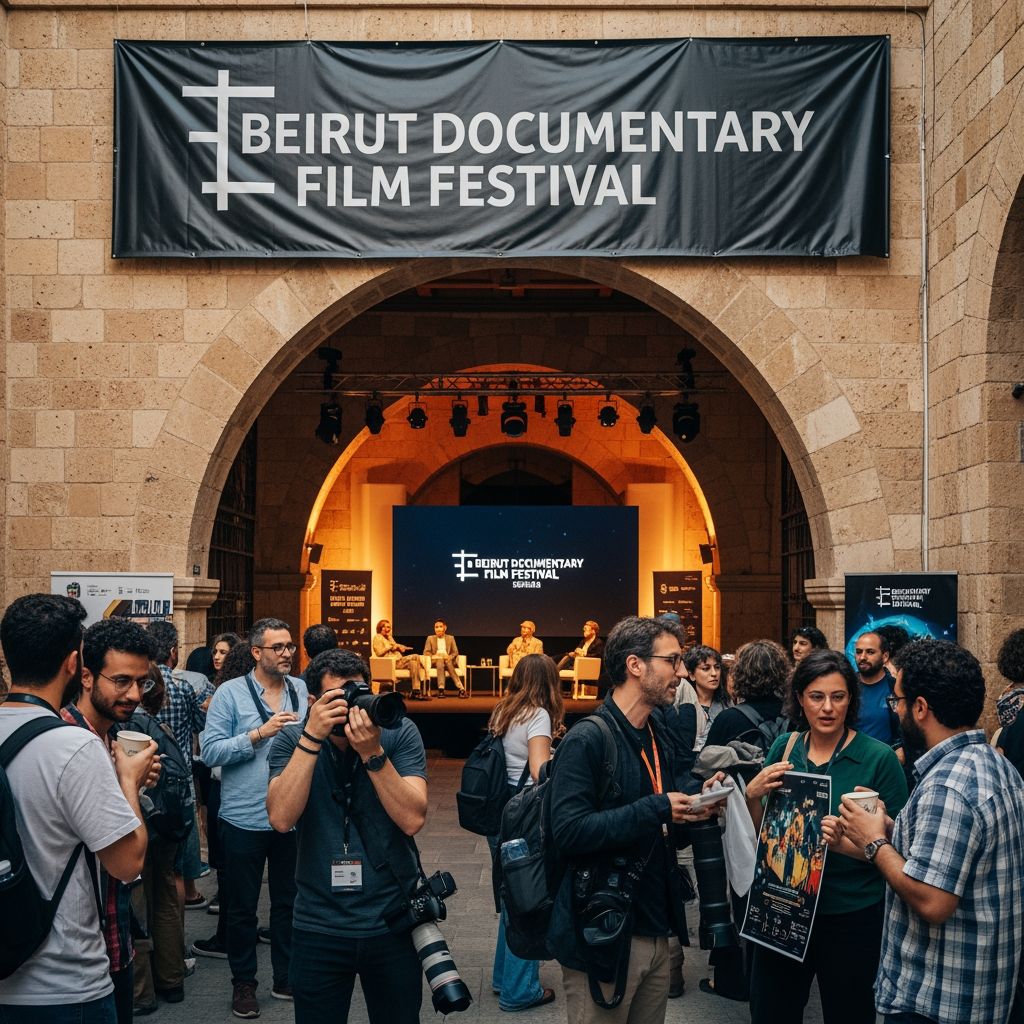
The festival brought together a group of directors and documentarians from Russia and Lebanon, as well as media and cultural figures, and social activists, with a notable presence of young people interested in the world of documentary cinema. The festival featured the screening of five documentary films, which included discussions and meetings with the directors, revolving around the role of documentary film in preserving truth and promoting human values, in addition to specialized workshops presented by journalists and documentarians working in conflict zones.
In this context, Ekaterina Yakovleva, the festival director, expressed her great admiration for the Lebanese audience, saying: “The audience was amazing in every sense of the word. I felt we are very close to the Lebanese, as if our countries share a similar destiny. The attendees reacted genuinely to every scene, clapping, laughing, and being moved during painful moments, which made me believe that cinema here truly touches the hearts, and is not just a formal presence.”
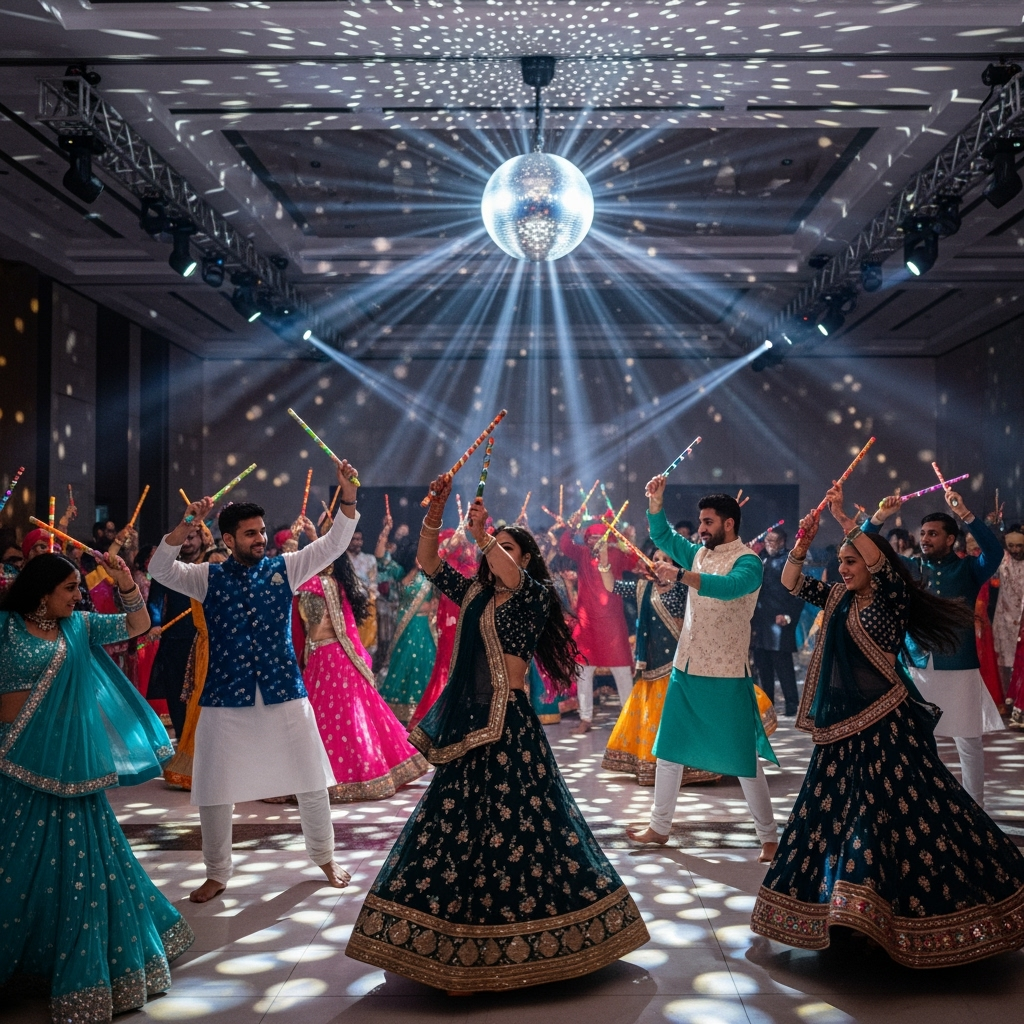
Yakovleva added: “I was very impressed by the enthusiasm of Lebanese youth during the workshops preceding the screenings. I haven’t seen this many questions in any other country. They were eager to know the details of the profession, which indicates the closeness of their experience to the reality of war. I also felt a true spirit of friendship in the festival atmosphere, where we were warmly welcomed, sang Lebanese and Russian songs together, and danced as if we were one family.”
She continued, explaining: “It is exciting that live face-to-face performances have finally regained their presence, despite the spread of online events. Direct human communication makes a difference, news spreads from person to person, and generates new interest, even from those who were not interested before.” Yakovleva noted that similar festivals are held in European countries, saying: “We see this clearly in Italy, where we work completely legally despite European decisions, as no national ban on RT screenings has been ratified yet, and despite attempts to ban, we continue.”
Among the films screened, “Searching for a Messenger,” written by Anisa Murad, the head of the program department at RT Arabic, stood out. It delves into the Eastern roots of the Caucasus poet Rasul Gamzatov, exploring the secret of his relationship with the Arab East, and exploring the human and philosophical dimension in his literary and political career. In her statement to “Sputnik,” Murad expressed her happiness with the festival’s launch from Beirut, saying: “I am delighted that the first session is being held in Beirut. These films confirm that heroism knows no boundaries, it is not confined to battlefields but extends to all areas of life. The festival is a platform for cultural exchange and showcasing different experiences, with no competition, but rather a participation in creating awareness and memory.”
The film “A Young Man from Our Neighborhood” was one of the standout shows that blended journalism and humanity, as it explores the experience of military journalist Rostislav Zhuravlev, who was killed two years ago by Ukrainian shelling, through scenes documented by himself or his colleagues, reflecting the daily life of the correspondent in the heart of danger. In this regard, Mikhail Aladdin, director of “RIA Novosti” agency in Beirut, explained that the film formed a message of loyalty to all journalists who lost their lives in the pursuit of truth, saying: “The project began as a tribute to Rostislav’s family, but it turned into a broader message about the meaning of life in wartime. We have lost hundreds of correspondents around the world, in Ukraine, Gaza, and Lebanon, and each one of them represents a testimony to courage and credibility.”
The festival also included discussion sessions that covered several topics, most notably “The Special Military Operation” and “Breaking the Media Siege,” with the participation of journalists, directors, and experts, including the researcher in military and political affairs Omar Ma’arabouni, who said to “Sputnik”: “This day is the result of great efforts exerted by [organization], which faced an unprecedented censorship campaign since the launch of the special military operation. Nonetheless, it managed to break the siege and present its accurate narrative to the world. Remarkably, Russian media has provided space for discussion and debate with all parties, making the audience the real judge.”
Ma’arabouni concluded by saying: “What we are experiencing today in terms of media misinformation about major issues is very similar to the grievance of Donetsk and Luhansk, which reflects a deep similarity with our Arab issues, foremost among them the Palestinian cause.”