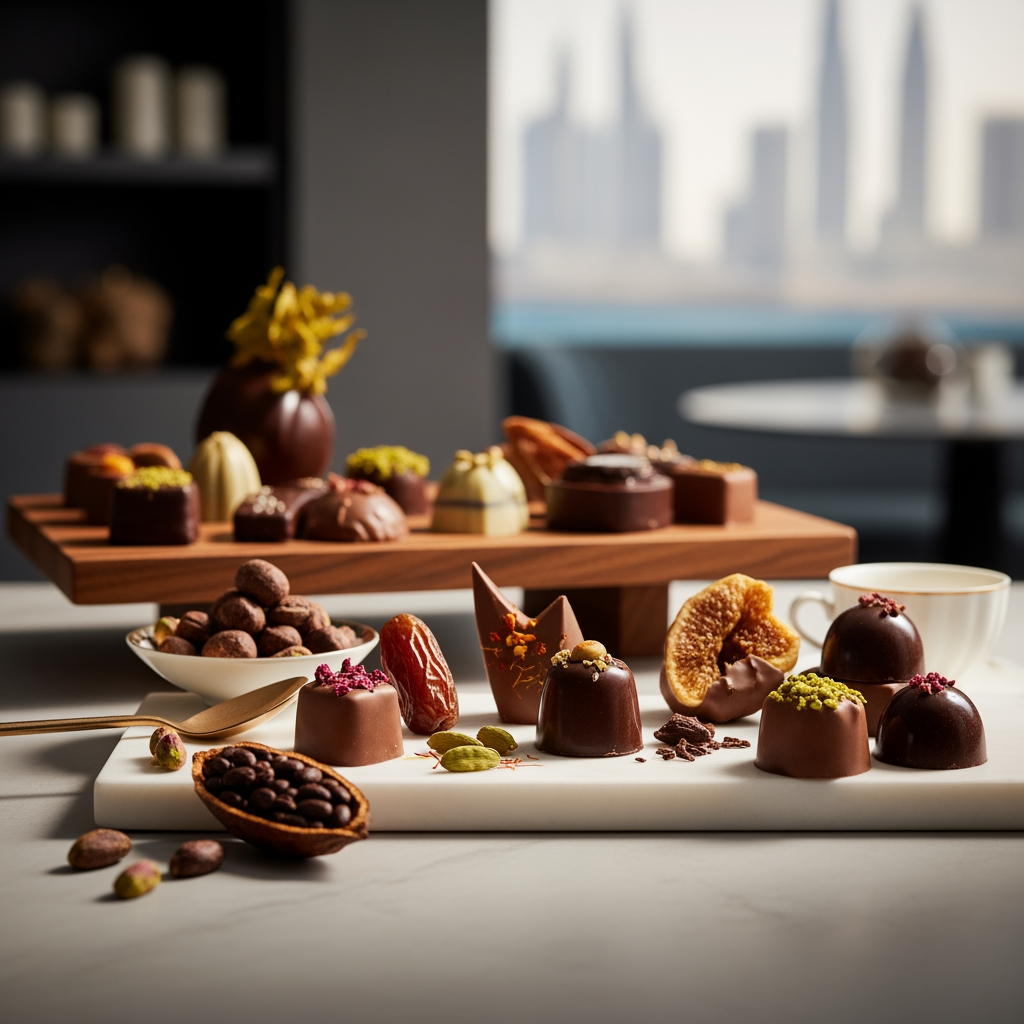
The viral sensation of Dubai chocolate, a pistachio-filled delight that conquered TikTok and enchanted dessert enthusiasts from Utah to New York, extends beyond just satisfying sweet tooths.
This treat has become a testament to Dubai’s burgeoning influence as a global hub for brands and digital innovation.
During the Dubai Business Forum – USA in New York, speakers emphasized how Dubai’s creative energy and digital landscape are establishing it as a birthplace for trends that spread worldwide.
Matt Higgins, CEO and Co-Founder of RSE Ventures, remarked that the viral dessert signified a major shift. “I believe Dubai chocolate was a pivotal moment. This is a product that originated there. I recall telling my brand, I think this is going to be huge. There’s now an expectation that consumer brands can launch in Dubai,” he stated. “Live shopping is now a massive industry that’s also reached a tipping point. Dubai has the potential to become the capital of live shopping, with more consumer brands launching from there and exporting globally.”
Stay informed with the latest news. Follow KT on WhatsApp Channels.
The Dubai chocolate trend has since spread across the globe. According to The Wall Street Journal, employees at Crumbl’s Utah headquarters have been crafting a pistachio-chocolate dessert inspired by this trend. Earlier this year, Shake Shack’s Dubai Chocolate Pistachio Shake reportedly sold out within hours across the US, while Lidl’s Dubai-style chocolate bar disappeared from shelves a day after its launch.
Dubai’s AI Minister Becomes Global Tech Icon
Industry experts noted that the global demand for Dubai-origin trends is tightly linked to the emirate’s robust digital infrastructure and its adoption of AI-driven innovation.
Arshad Ghafur, President of Middle East & North Africa at Bank of America, stated, “This is evidenced by the volume of electronic retail transactions occurring, showing that one can purchase products globally from one location. Digital penetration in the Middle East is exceptionally high compared to other regions. This supports an economy that is digitally and economically focused, which I believe will continue.”
The confluence of digital commerce and technology was a recurring theme at the forum. Higgins noted that Omar Sultan Al Olama, UAE’s Minister of State for Artificial Intelligence, Digital Economy and Remote Work Applications, has emerged as a global tech leader. “When we discuss the Minister of AI… there’ll only ever be one for me, regardless of how many emerge worldwide,” Higgins commented.
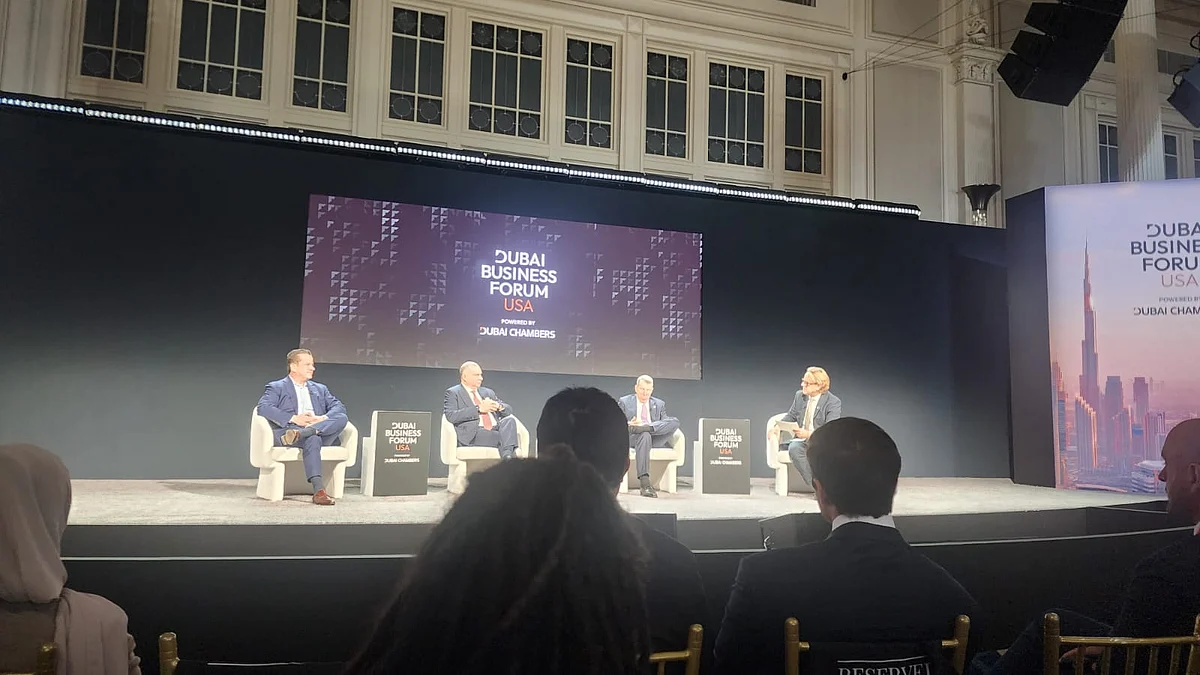
Matt Higgins (extreme left). Photo: Nandini Sircar
“It’s not an overstatement to say that this is a significant competitive differentiator — many people worldwide recognize the name Omar, understanding who you mean… Every AI startup today is advised that one of their initial visits should be to the UAE, particularly Dubai, to meet Omar,” he added.
AI to Create New Jobs, New Economies
For Dubai, the push towards AI and digital transformation is about more than just technology — it’s about crafting a sustainable and inclusive economic future.
Mohammad Ali Rashed Lootah, President and CEO of Dubai Chambers, explained that Dubai’s emphasis on AI “is not for luxury or foreign trends. It genuinely aims to enhance economic productivity, social welfare, and improve the entire ecosystem and city.”
He added that the emirate aims for its digital economy to contribute up to 20% of GDP by 2031. “To achieve this, we need significant policy reforms. Many US investors are already recognizing opportunities in the digital economy… Over the last four years, we’ve seen $1 billion from the US with over 140 investors of various sizes, and this number is rising.”
Lootah highlighted that Dubai’s approach to AI is about empowerment rather than disruption. “Globally, there’s concern about AI’s impact on jobs,” he said. “We believe in leveraging the latest technologies to unlock growth opportunities. We consistently believe it will create new job types and economies.”