For the world’s most discerning buyers, luxury real estate is no longer limited to opulent penthouses or branded residences. Increasingly, affluent investors are turning back in time—not just to the past, but to the iconic buildings that shaped it. Across the UK and Europe, castles, chapels, and monasteries are being meticulously transformed into luxury homes that marry centuries of heritage with modern comforts.
Owning a historic property is about more than just square footage; it’s about prestige and history. These structures carry the legacy of dynasties, rituals, and craftsmanship absent in modern architecture. For example, a Gothic chapel in rural France with stained-glass windows that have withstood centuries, or a Scottish castle with battlements overlooking the Highlands, offers residents an invaluable legacy that money typically can’t buy.
Castles Reborn
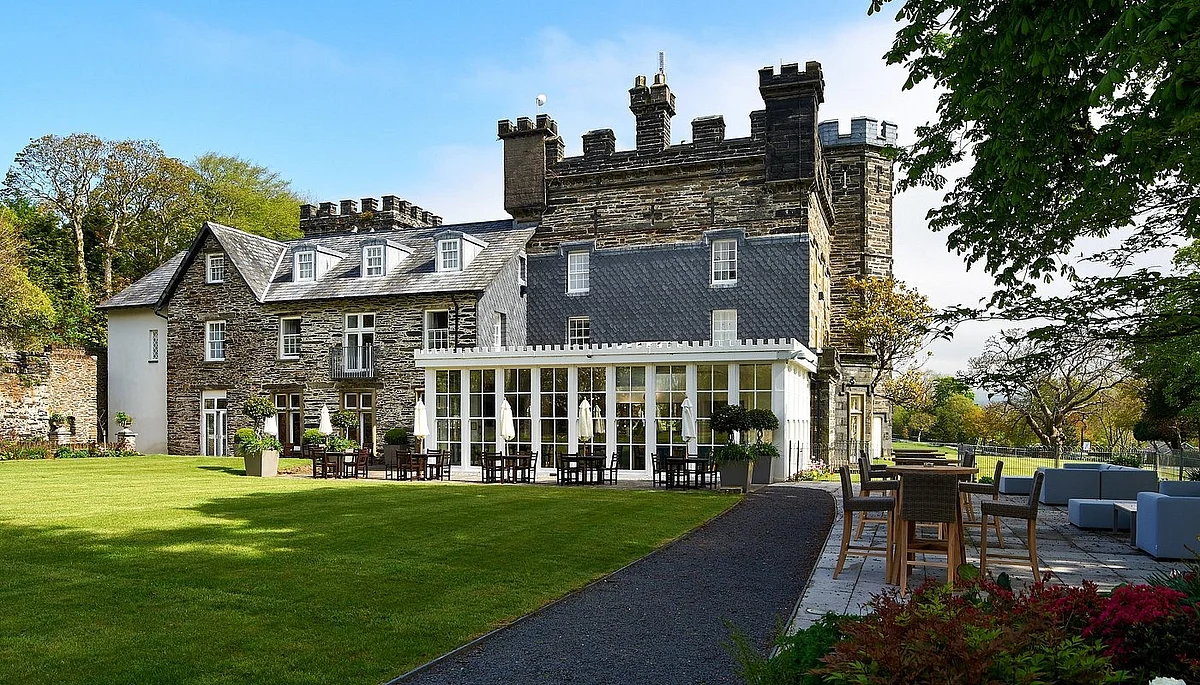
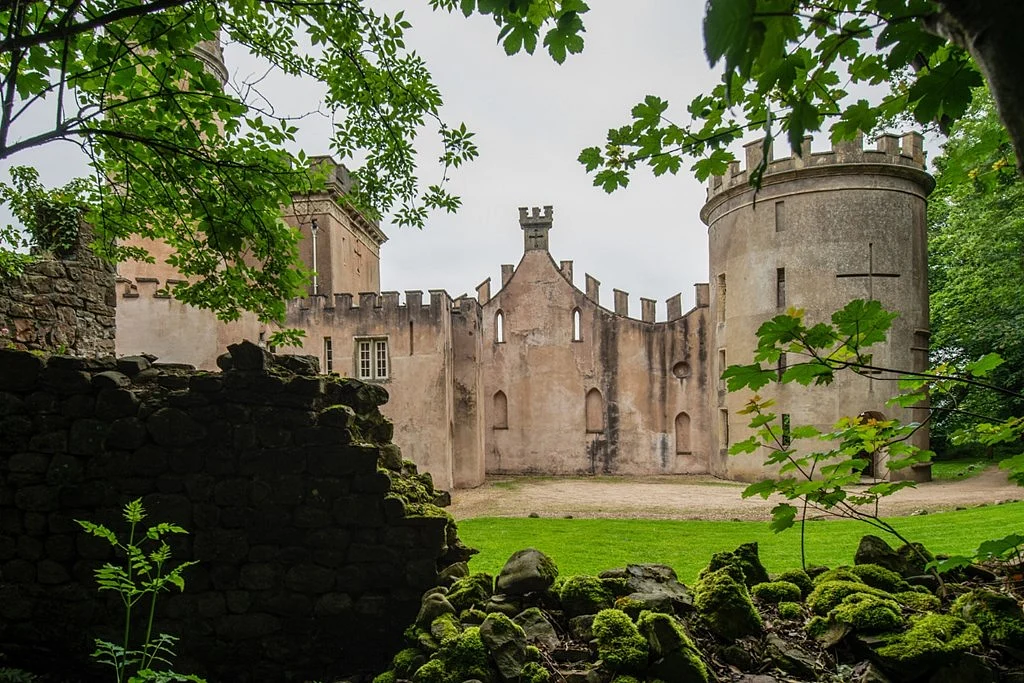
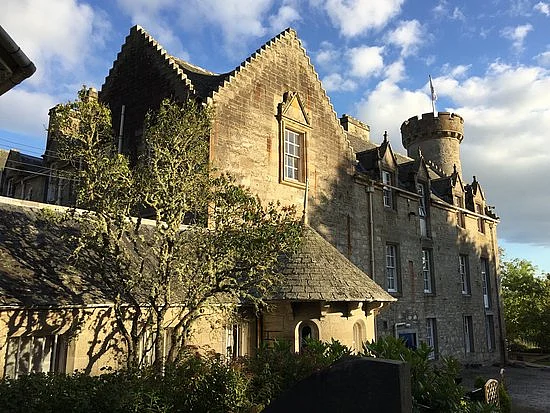
Scotland has become the face of this revival. Properties like Tulloch Castle in Dingwall, once a dilapidated ruin, have been transformed into residences that blend private ownership with boutique hospitality. In Wales, Castell Deudraeth, near the whimsical village of Portmeirion, was saved from neglect and now thrives as a chic mix of hotel and residential space.
England has witnessed similar revivals. The Landmark Trust is a charity that rescues and restores historic buildings, offering them as holiday rentals. The income supports the charity’s ongoing preservation efforts.
Across continental Europe, chapels and monasteries are undergoing similar transformations. In France’s Dordogne, a 15th-century chapel was converted into a stunning home, preserving its vaulted arches while integrating glass and steel interiors. Italy and Spain also feature cloisters and convents reimagined as countryside retreats for wealthy individuals seeking privacy, authenticity, and cultural depth.
Prestige Properties
The rarity of heritage homes is what makes them so desirable. Unlike beachfront villas or new apartments, the number of castles and chapels is finite. For wealthy buyers, rarity is a crucial factor in long-term value.
Andrew Barnes, senior director for the Cotswolds at UK Sotheby’s International Realty, notes a noticeable rise in interest among international clients. “Middle Eastern buyers have long appreciated historic properties, like castles and stately homes, across the UK and Europe. However, we’ve recently experienced even greater interest, referred through our global network and international offices. One of the largest and most important stately homes in the Cotswolds was recently acquired by a Middle Eastern royal family.”
For this buyer base, ownership isn’t just about lifestyle but also influence. As Barnes notes, “Buying a property steeped in history is often a passion for buyers. Such properties have incredible architecture and beautiful surroundings, which, combined with modern conveniences, make for a highly attractive combination.”
Yet, alongside the romance lies complexity. Owning a listed building in the UK, or its equivalent in Europe, comes with additional rules and regulations. Every modification requires heritage authority approval, meaning renovations often involve careful negotiations with planners and conservation boards.
Barnes acknowledges this reality. “When refurbishing or renovating Listed Buildings, owners must use contractors and materials that have been specially approved. While skilled craftsmen are available, not all are willing to go through the approval process — and those who are approved are in very high demand.”
This bottleneck creates challenges but also opportunities. For owners who succeed, the rewards are extraordinary. Imagine underfloor heating seamlessly integrated beneath 16th-century flagstones or a wellness suite discreetly built behind cloistered arches. These juxtapositions are what make historic conversions so compelling — luxury without erasing legacy.
Restoration budgets, however, can easily exceed the purchase price. Roofs, stonework, and stained glass are costly. While the expenses may be daunting, Barnes notes that these properties are generally long-term investments, often compared to collecting fine art or vintage cars. They aren’t quick development plays, but treasures to be held and enjoyed over decades.
Emotional Capital
While Barnes highlights the practical side, luxury behavioral consultant Nataliya Khudykovska focuses on the emotional. For her, castles and chateaux resonate far beyond their walls. “These are not just buildings. This is status. This is an icon. This is a reflection of blue blood,” she explains. “We have it coded within us: castles were owned by kings, nobility, families connected to power and influence. When someone rises from poor circumstances and becomes a billionaire, they often feel the desire for a symbolic confirmation of their rise.”
In other words, for the nouveau riche, owning a medieval fortress isn’t just real estate — it is a coronation. It cements their place among the elite and signals their ascent via property.
Khudykovska also notes that such ownership acts as a social key. “Owning an iconic object opens doors. It gives access to circles of influence. And for the ultra-wealthy, one rule applies: they cannot afford to own something ‘ordinary.’ Their properties must reflect what they represent — power, unattainability, and uniqueness.”
Going Boutique
While passion drives many purchases, others see business opportunities. A growing number of speculative investors are turning castles into hybrid ventures — event venues, boutique hotels, artistic residences, or experiential concepts.
One of Khudykovska’s contacts owns a Spanish chateau transformed into a revenue-generating model: part Airbnb, part venue for investor events, offsites, and meditation retreats. Over seven years, the owner achieved a threefold return, powered by smart positioning and strong PR.
The potential revenue streams are broad: film and television rentals, high-end weddings, exclusive accommodation, or even weekend getaways for entrepreneurs. A castle, after all, offers drama and gravitas that no modern hotel can replicate.
But risks abound. Maintenance costs can spiral, and liquidity is limited. “Selling a chateau is a completely different league from selling an apartment,” Khudykovska warns. Without a clear business model, ownership can become a financial black hole.
Despite the challenges, demand shows no sign of waning. Today’s custodians of castles and monasteries are not feudal lords but global billionaires, royals from the Middle East, Silicon Valley entrepreneurs, or families seeking legacy investments.
Barnes points to Ombersley Court — a historic English estate currently marketed exclusively through Sotheby’s — as an example of the caliber of properties attracting the interest of wealthy individuals. These homes are coveted not just for their architecture but also for their symbolism: permanence, privacy, and prestige.
At the same time, there is a growing emphasis on sustainability. Ancient stone walls were never designed for energy efficiency, but modern owners are integrating ground-source heat pumps, discreet smart glazing, and eco-lighting to balance heritage with responsibility. The goal is not only to preserve history but also to ensure its relevance for future generations.