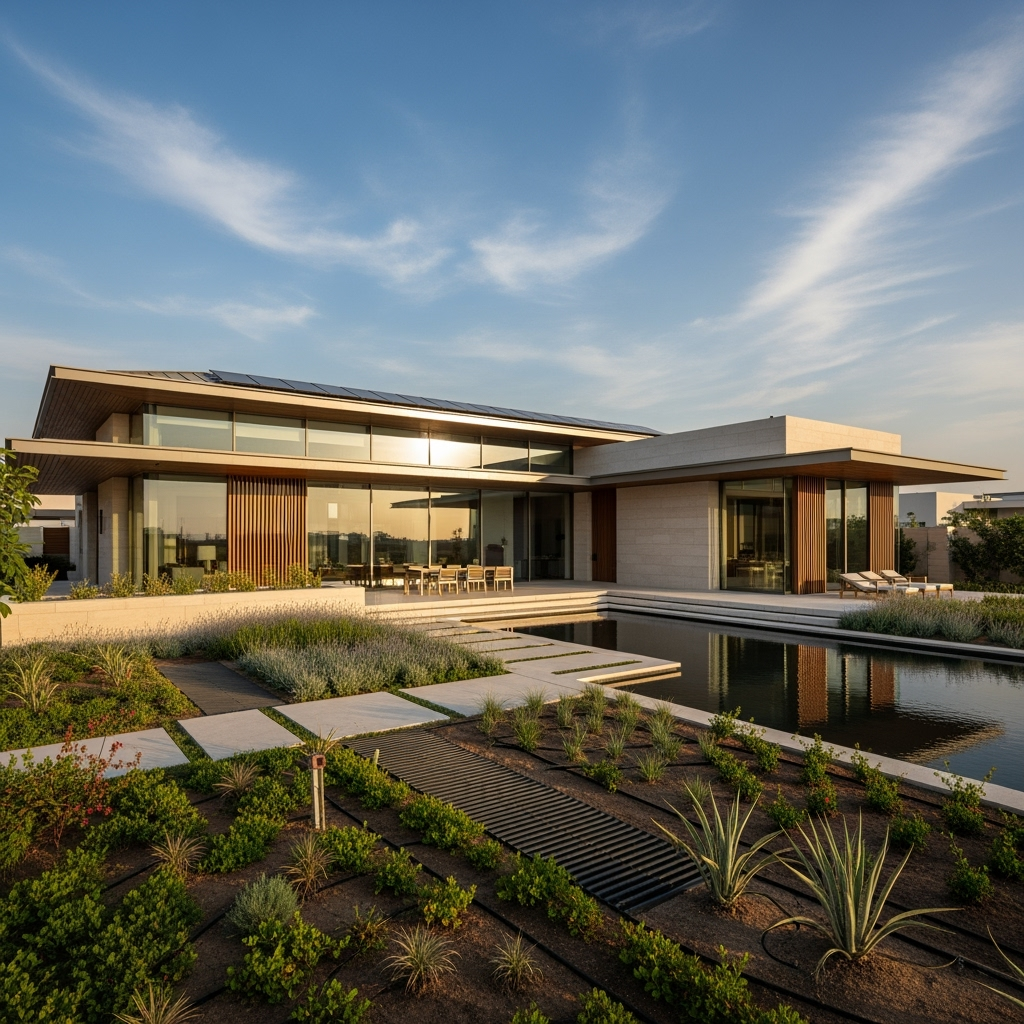
Step into a newly constructed villa in Dubai, and you’ll immediately notice the attention to detail. While the marble and glass finishes remain, you’ll also find environmentally conscious features like low-VOC paints, shaded courtyards for natural cooling, and glazing that blocks the sun but allows light to enter. These subtle changes towards sustainability mark a significant shift in the mindset of home construction in the UAE.
As government regulations become stricter and buyers more selective, sustainable materials are becoming the benchmark. The UAE’s green building market is projected to more than double, reaching $15.5 billion (Dh56 billion) by 2032, with housing playing a central role in this growth.
Villas are still the most coveted segment of Dubai’s real estate market. According to Hamptons International’s 1H 2025 report, rents in prime communities have increased by up to 50% year-on-year. Developers are rushing to supply thousands of new units over the next two years to seize the opportunity. Data from the Dubai Statistics Center reveals that nearly three-quarters of homes built last year were private villas commissioned by owners rather than developer-driven projects. This trend indicates a shift towards personalized and competitive villa offerings, with families opting to build homes tailored to their long-term needs.
Savills reports a similar trend, with villas and townhouses becoming a core part of Dubai’s housing market. Developers are creating communities focused on wellness, multi-generational living, and intelligent design, making low-rise living the new standard for quality urban life.
The emphasis is shifting from the number of homes built to the manner in which they are constructed. While stricter codes and rising costs are influencing factors, the real focus is on how families want their homes to feel: cooler in summer, more energy-efficient, and better connected to the outdoors.
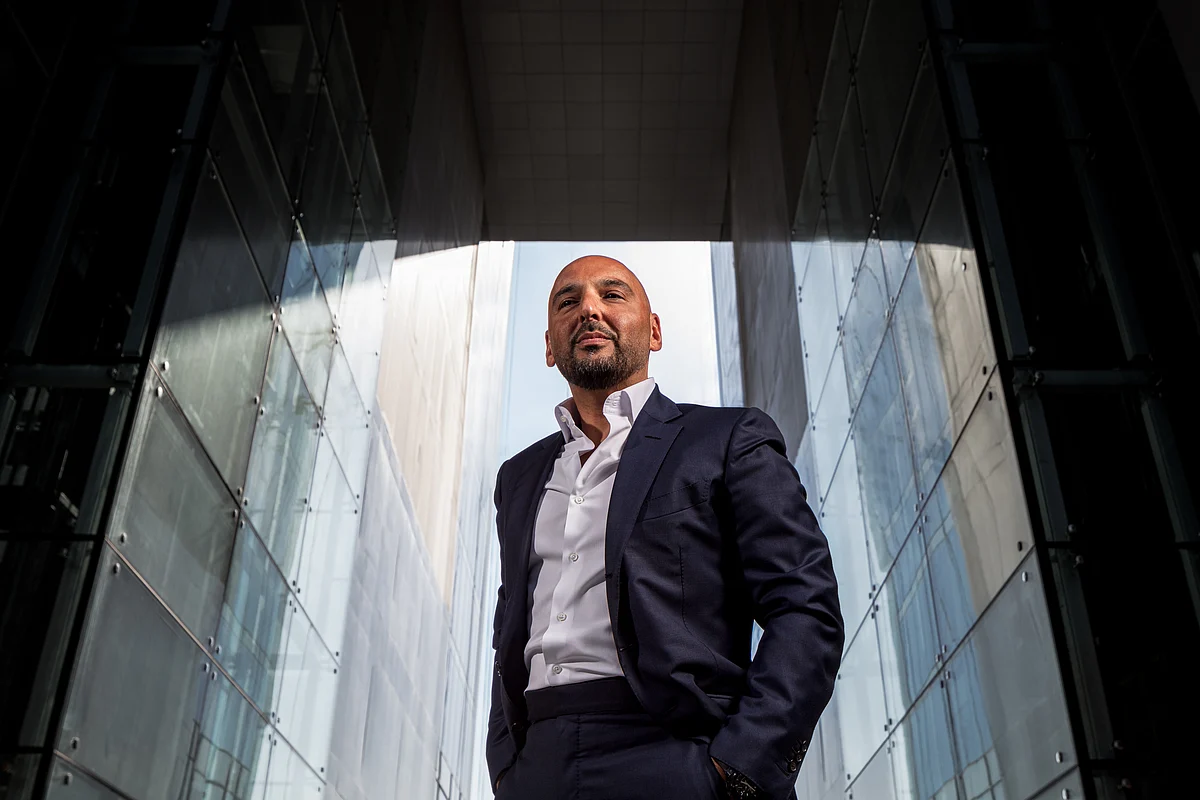
Ammar Al Assam
Dewan Architects + Engineers, a long-established architecture firm in the UAE, has observed these changes firsthand. Its CEO, Ammar Alassam, notes that homebuilding is now about more than aesthetics. “The most significant shifts in home design are driven by climate resilience, wellness-focused planning, and data-driven value engineering,” he says. “The goal is no longer just to construct a house but to create a high-performance living space where shading, thermal comfort, and outdoor living are essential.”
Systems like Dubai’s Al Sa’fat Green Building Code and Abu Dhabi’s Estidama Pearl Rating are already enhancing standards for glazing, shading, and energy use, with more regulations expected. Saeed Al Abbar, chairman of EmiratesGBC, emphasizes that the UAE must not only focus on new projects but also decarbonize existing homes to meet global net-zero targets.
Dubai’s Al Sa’fat Green Building System defines what sustainability looks like in a home, starting with core materials. Low-carbon concrete, advanced insulation, high-performance glazing, and low-VOC paints contribute to healthier interiors. Architects and developers are encouraged to innovate with features like shaded courtyards, overhangs, and layouts that promote natural airflow. Energy efficiency is a given, with solar-ready roofs, efficient cooling, LED lighting, and smart monitoring systems. Water conservation is achieved through low-flow fixtures, greywater recycling, and resource-efficient landscaping. Comfort is also prioritized, with green walls, quieter interiors, and cleaner air enhancing the living experience.
Defining Factor
“Sustainability is rapidly becoming a key competitive factor,” says Alassam. “In Dubai and Abu Dhabi, green-certified properties already enjoy a market advantage, aligning with global investment trends.”
Ghada Benitez, CEO of an international real estate firm, concurs. “Sustainability is no longer optional,” she states, highlighting the demand for homes that combine luxury with lower operational costs, such as energy-efficient glazing and smart use of natural light.
According to Betterhomes, sustainable homes in Dubai cost about 5-15% more upfront than conventional ones. However, the Emirates Green Building Council estimates these buildings can save 20-30% in energy costs, offering both lower bills and long-term value. This investment is worthwhile, yielding significant returns for homebuilders and developers. Green-certified buildings in the UAE command up to 9% higher rents, and around 70% of foreign investors are willing to pay more for sustainable features.
Benitez notes that her clients are willing to invest in certified green homes. “Green-certified developments in Dubai sell faster and achieve higher valuations,” she adds, citing their prestige and practical benefits like reduced costs and strong tenant attraction. Features driving this demand include energy-efficient glazing, passive cooling, recycled composites, modular construction, and low-carbon cement. Expo City has even issued Sustainable Materials Guidelines advocating lighter facades, shading, greywater reuse, and tree-lined courtyards. “These aren’t just construction tactics; they enhance yield by cutting costs and attracting premium tenants,” Benitez explains.

Michal Hansen
Michal Hansen, partner and head of Exclusive Project Sales at Knight Frank, has observed how sustainability is impacting the luxury market. “Luxury homes featuring sustainable materials often achieve price premiums as buyers seek spaces that enhance daily living,” he says. “These buyers value long-term comfort and lower running costs.”
Hansen reports that sustainability is becoming a practical consideration for buyers, who now demand electric vehicle-ready parking, thermal-smart windows, and tech-enabled home systems. For international buyers, these preferences are influenced by global markets, although outside the luxury sector, green features tend to speed up sales rather than significantly raise prices.
“Materials are now central to project delivery,” Hansen states. “We see increased use of energy-efficient glass, superior insulation, and low-carbon concrete mixes.” Prefabricated elements, such as wall panels and windows, are manufactured off-site and assembled on-site, becoming more prevalent due to time savings and quality improvements. “Developers are selecting materials that balance efficiency, cost, and sustainability, helping projects meet market demand,” Hansen explains.
While investors seek premiums, architects and designers focus on integrating sustainability into homes. Interior designer Aarti Lakhwani of Blended Spaces begins with materials, citing her use of local timber and energy-efficient finishes. Her clients prefer warm, layered interiors over cold minimalism. Indoor-outdoor layouts are now essential, with flexible spaces for wellness zones, home offices, and guest suites. “The concept of a home as a sanctuary is more important now than ever,” Lakhwani says.
Property adviser Ghada Benitez observes similar trends in developer choices, with natural stone, Italian marble, sustainable timber, and smart glass creating homes that are “timeless yet future-ready.”
Lakhwani notes changes beyond interior design, citing exterior paints that keep interiors cooler and affordable, durable options like GRP cladding, a lightweight material reducing emissions and withstanding Dubai’s climate.
However, materials are only part of the story. Lakhwani describes Dubai’s design scene as a blend of global influences and local identity. International styles like biophilic design and luxury maximalism are in demand but adapted to the region’s character. Homes lean towards warm, desert-inspired palettes, geometric patterns, and mashrabiya screens. Clients also desire bespoke craftsmanship over mass-produced items. “The outcome is a design language that is both globally relevant and authentically Dubai,” she explains.
Some traditions in homebuilding remain timeless. “Cultural expectations around privacy will continue to shape layouts, integrating courtyards, screens, and zoning between formal and family spaces,” Alassam says. International buyers will continue to elevate standards, bringing hospitality-level expectations into the residential market. This ecosystem fosters demand for amenity-rich environments and detailed facades in both vacation homes and villas for international families.
Looking forward, Hansen believes sustainability will become the norm rather than a selling point. Homes with improved air quality, soundproofing, and low-emission materials will be standard, he explains. Construction will increasingly use low-carbon concrete, advanced glazing, and prefabricated elements. Design will continue to incorporate biophilic principles and outdoor integration, not merely as a lifestyle nod but as part of the region’s identity. As Benitez concludes: “In the next half-decade, UAE homes will be defined by sustainability as the baseline, not the add-on.”