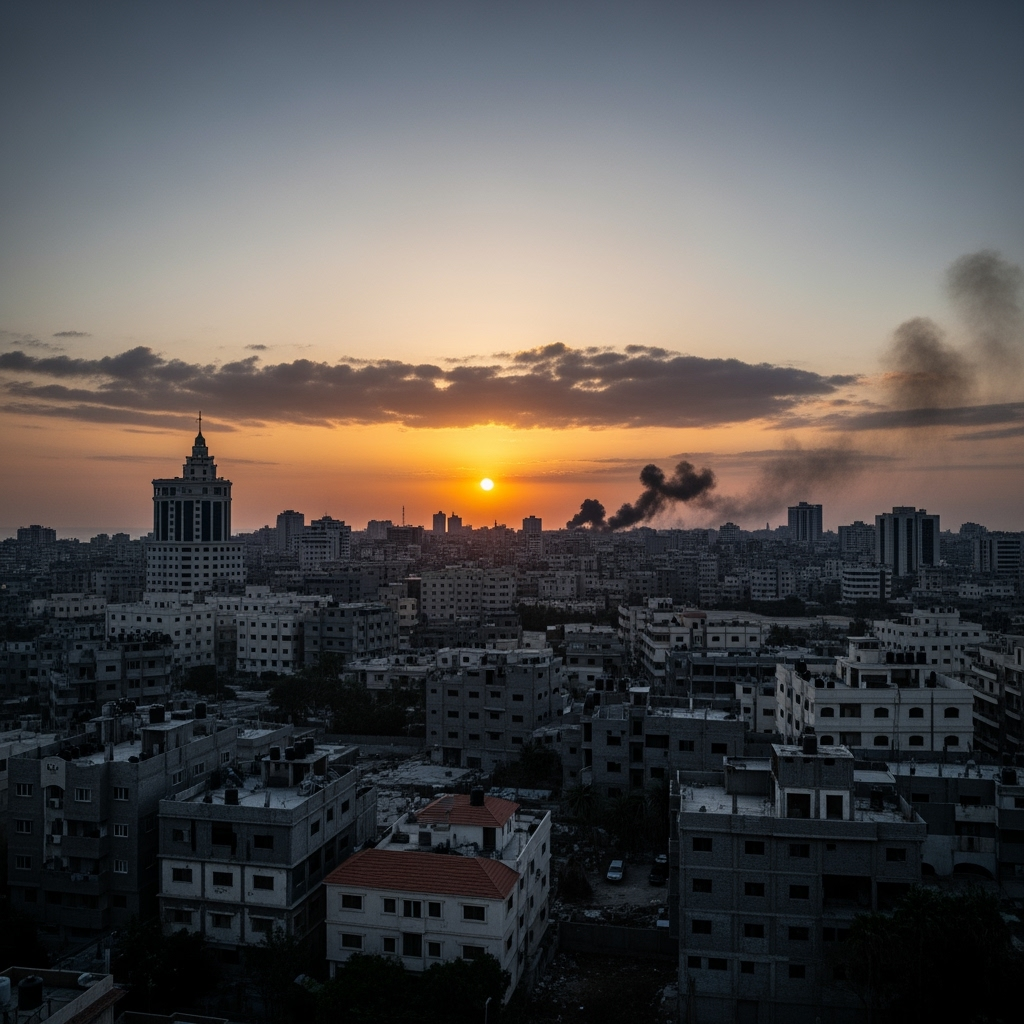
Amid fears of an imminent Israeli attack, several Palestinian families have started fleeing eastern Gaza City due to relentless Israeli bombardment, seeking refuge in western areas and contemplating further evacuation to the south.
Israel’s strategy to take control of Gaza City has caused concern internationally and domestically, prompting massive protests by tens of thousands of Israelis. They are calling for a resolution to halt the conflict and secure the release of the remaining 50 hostages held by Palestinian militants in Gaza.
The impending offensive has intensified efforts by Egyptian and Qatari mediators to negotiate a ceasefire, described by a source involved in the Cairo talks with Hamas as potentially “the final effort”.
Israeli Prime Minister Benjamin Netanyahu has labeled Gaza City as Hamas’ final stronghold. However, with Israel already controlling 75% of Gaza, military officials warn that expanding the offensive could endanger the hostages and lead troops into prolonged and deadly guerrilla warfare.
In Gaza City, there is a growing call among Palestinians for protests demanding an end to the war, which has devastated much of the region and caused a humanitarian crisis, and urging Hamas to intensify negotiations to avoid the impending Israeli ground offensive.
An Israeli armored push into Gaza City could displace hundreds of thousands, many of whom have already been uprooted multiple times during the conflict.
“The people of Gaza City feel like they are facing a death sentence,” said Tamer Burai, a businessman from Gaza City.
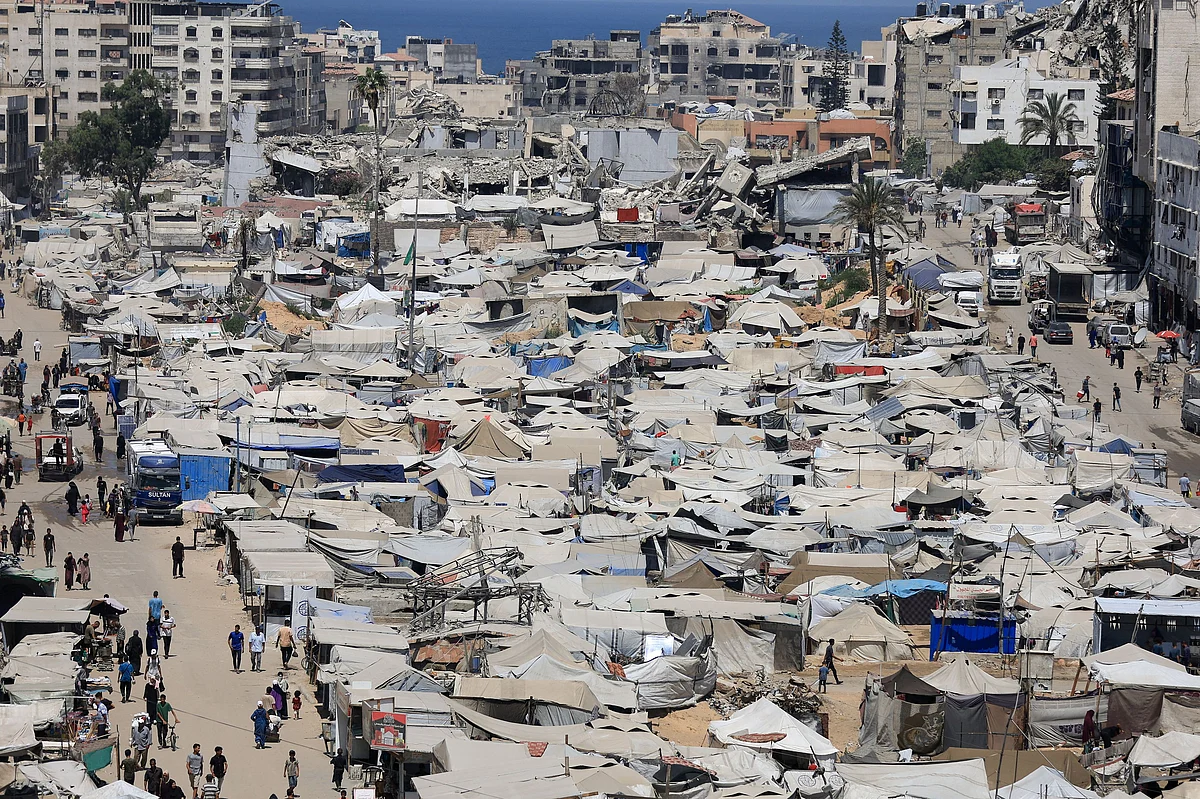
Palestinians displaced by the Israeli offensive find shelter in a tent camp as the Israeli military plans to relocate residents to southern Gaza, in Gaza City on August 17, 2025. — Reuters
“I am relocating my parents and family to the south today or tomorrow. I can’t risk losing them if a sudden invasion occurs,” he told Reuters via a chat app.
A protest is set for Thursday in Gaza City organized by various unions, with participants pledging their involvement on social media, increasing pressure on Hamas.
The last round of indirect ceasefire negotiations concluded in late July without resolution, with both parties blaming each other for the stalemate.
Sources close to the Cairo negotiations reported that Egyptian and Qatari mediators met with leaders from Hamas, Islamic Jihad, and other factions, with little progress. Talks will resume Monday, the sources added.
Hamas informed mediators it is prepared to resume discussions on a U.S.-proposed 60-day truce and the release of half the hostages, one unnamed official told Reuters, but also desires a broader agreement to end the conflict.
Diplomatic Impasse
Israel has stated it will stop hostilities if all hostages are freed and Hamas disarms—a condition publicly rejected by the Islamist group until a Palestinian state is established.
Disagreements remain over the extent of Israeli withdrawal from Gaza and the distribution of humanitarian aid in a region plagued by malnutrition and at risk of famine, according to aid organizations.
On Saturday, the Israeli military announced preparations to provide Gazans with tents and other shelter supplies ahead of relocating them from combat zones to the enclave’s south. Further details on quantities or timelines were not provided.
Palestinian economist Mohammad Abu Jayyab estimated the need for at least 100,000 new tents to accommodate those moving to central and southern areas should Israel launch its offensive or order a complete evacuation of Gaza City.
“Existing tents are worn out and ineffective against rain. There are no new tents in Gaza due to (Israeli) aid restrictions at the (border) crossings,” Abu Jayyab told Reuters.
He noted that some families from Gaza City have begun renting properties and shelters in the south, moving their belongings there.
“Some people are learning from past experiences and don’t want to be caught off-guard. Others believe moving sooner gives them better options,” he added.
Last week, the UN humanitarian office reported 1.35 million people in Gaza urgently need emergency shelter supplies.
The conflict began when Hamas-led militants crossed into southern Israel on October 7, 2023, killing 1,200 people and capturing 251 hostages, according to Israeli figures.
Since then, over 61,000 Palestinians have been killed in Israel’s air and ground operations in Gaza, local health officials report, with the majority of the 2.2 million population internally displaced.
In the past 24 hours, five more Palestinians have died from malnutrition and starvation, raising the toll to 263 deaths, including 112 children, since the conflict began, according to the Gaza health ministry.
Israel disputes the figures from the health ministry in the Hamas-controlled territory.