Global oil markets are once again facing uncertainty, driven by geopolitical tensions in the Middle East and fresh trade strategies from Washington that keep traders vigilant.
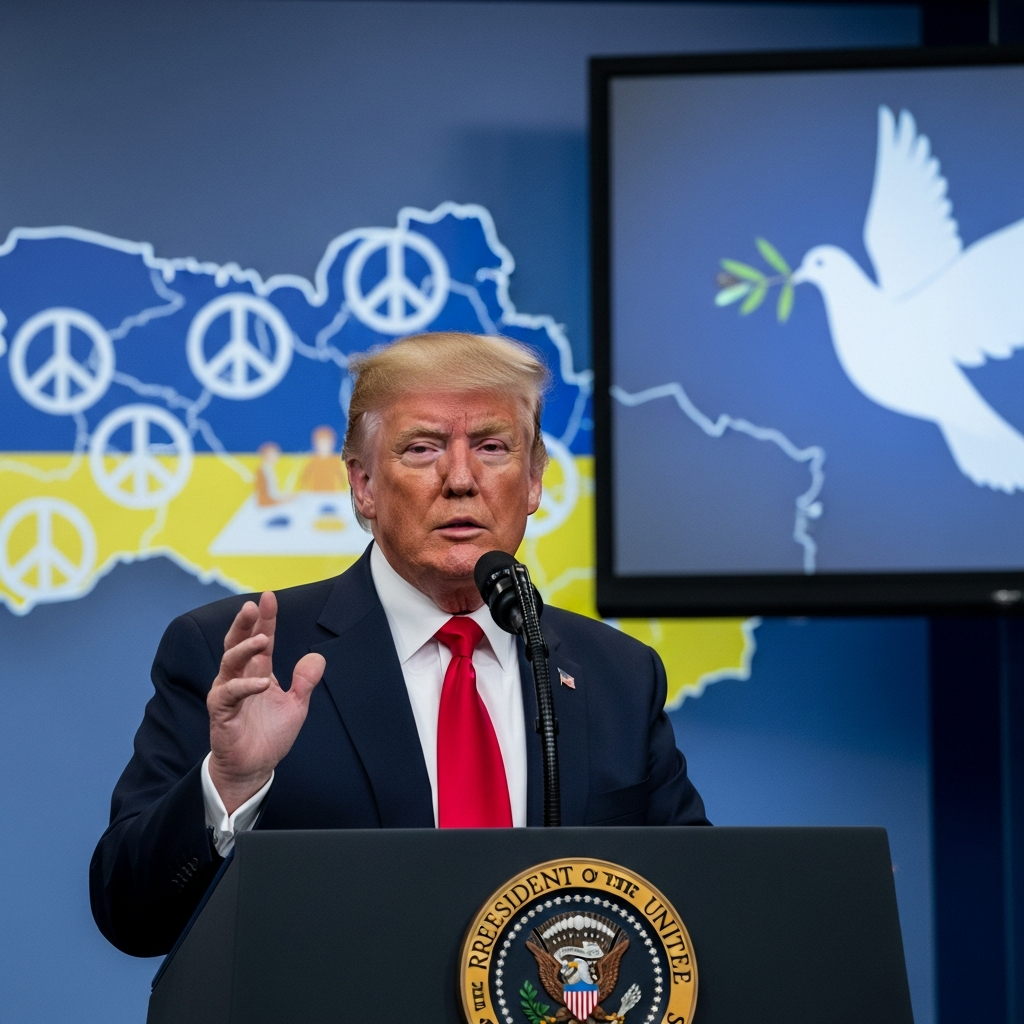
On Wednesday, crude prices saw a slight increase following reports of an Israeli attack on Hamas leaders in Doha, alongside news that US President Donald Trump urged the European Union to impose a 100% tariff on China and India to limit their purchases of Russian crude.
By midday, Brent crude was priced at $67.09 per barrel and West Texas Intermediate (WTI) at $63.32, both marginally up from Tuesday’s close. Despite the rise, the increase was less than 1%, highlighting that while geopolitical risks are affecting prices, market fundamentals remain weak. Earlier, both benchmarks had surged nearly 2% before falling back after Washington assured Doha of no further Israeli strikes.
The attack in Doha had immediate regional repercussions, threatening to disrupt delicate ceasefire talks between Israel and Hamas facilitated by Qatar. “Any conflict involving Qatar — a crucial mediator and LNG giant — adds market uncertainty. But the subdued response indicates traders doubt prolonged supply disruptions,” commented Amrita Sen, chief oil analyst at Energy Aspects.
This year, geopolitical flashpoints from Ukraine to the Red Sea have not led to lasting price increases. Persistent concerns about global demand growth have been the underlying issue, with the US Energy Information Administration warning that rising inventories and Opec+ production increases will limit price gains in the coming months.
Tony Sycamore, analyst at IG Markets, stated that the market’s muted reaction reflects “skepticism that isolated incidents will lead to long-term supply disruptions, especially when demand indicators are weak.”
Adding to Middle East tensions is President Trump’s latest effort to use trade policy in the energy conflict with Russia. According to the Financial Times, Trump has asked the EU to impose 100% tariffs on crude imports by China and India, the largest buyers of discounted Russian oil since 2022.
If implemented, this strategy would shift from sanctions to secondary tariffs, targeting Russia’s major revenue source. However, analysts warn that such a move could have significant unintended effects.
“Expanding secondary tariffs to include China could be significant. It might disrupt Russian supply, tighten the market, and increase prices. However, it risks destabilizing EU-China trade relations and could backfire economically,” said Vandana Hari, founder of Vanda Insights.
EU officials are reportedly cautious. China is the EU’s second-largest trading partner after the US, making tariffs a politically sensitive issue. Meanwhile, India has strengthened its energy ties with Moscow, importing record amounts of Russian crude.
For Washington, the strategy is contradictory. While higher oil prices could hurt Russia, they would also increase inflation in the US, complicating the Federal Reserve’s expected move to cut rates. “Aggressive tariffs would restrict supply but conflict with Trump’s political goal of reducing inflation before the 2026 campaign cycle intensifies,” noted LSEG analysts in a Reuters report.
In the short term, traders anticipate continued volatility as developments from Doha and Brussels influence pricing. A weaker dollar, should the Fed cut rates as expected next week, could also support crude by making commodities cheaper for holders of other currencies.
However, the medium-term outlook is limited by oversupply risks. Opec+ is gradually increasing output, and US shale producers are maintaining strong production levels. The International Energy Agency forecasts a sharp slowdown in global oil demand growth by 2026, a trend supported by lower-than-expected Chinese consumption data.
“Without a major and prolonged disruption, oil remains susceptible to downside risks. Structural demand weaknesses outweigh short-term geopolitical price spikes,” stated Helima Croft, head of commodity strategy at RBC Capital Markets.
Energy market experts highlight that these developments underscore the complex interplay of geopolitics, trade policy, and energy security. “In oil markets, it is not just supply shocks but also the political tools — from sanctions to tariffs — that shape price expectations.”
Currently, oil traders are proceeding cautiously, balancing the potential price impacts of tighter supply against the negative effects of slowing demand.
The Israeli strike in Doha might be a temporary flashpoint without a lasting impact on supply, but it highlights the fragility of Gulf diplomacy and potential risks to Qatar’s crucial role in global LNG markets. Trump’s tariff strategy could escalate into a broader trade conflict with China and India, reshaping global crude flows in unpredictable ways.