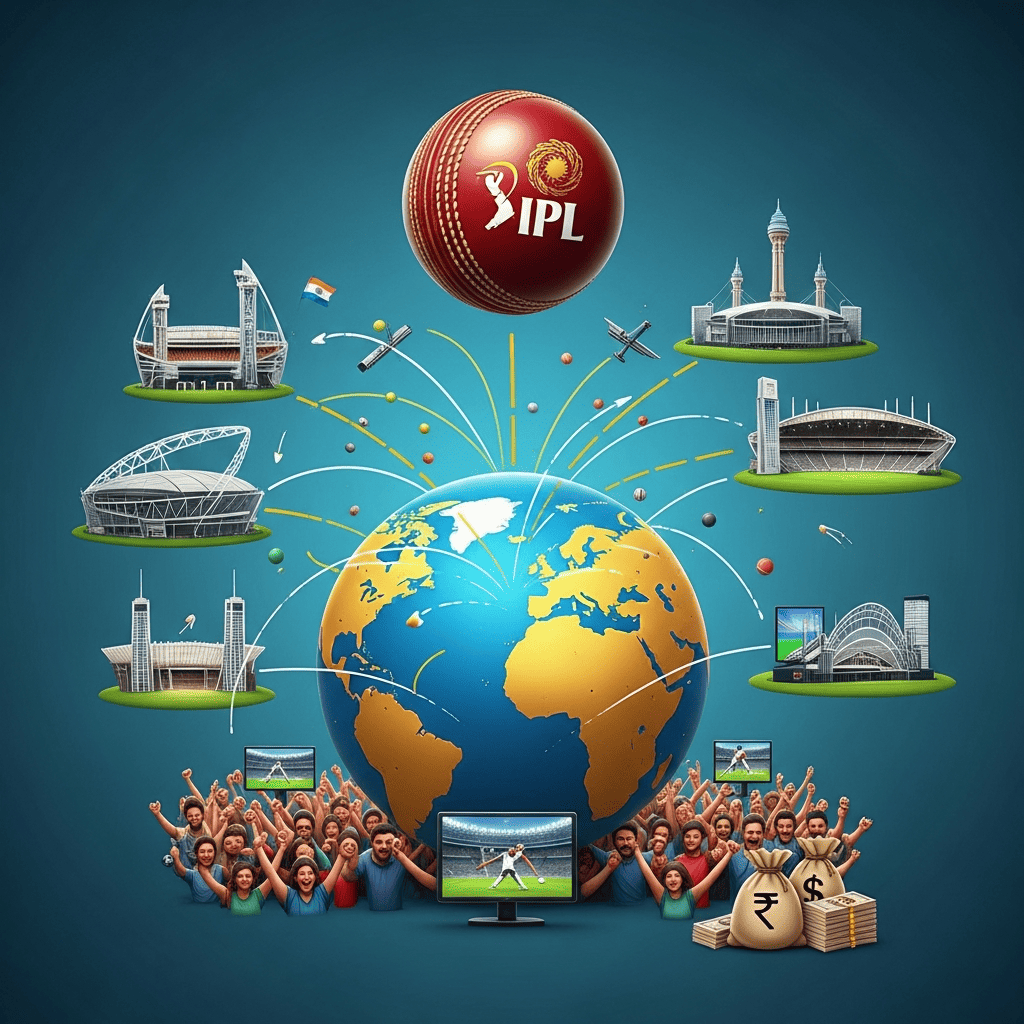
If you need evidence that sports can transform and still captivate millions, look no further than the Indian Premier League.
What began as a daring experiment in 2008 has grown into one of the most-watched events globally. Cricket, once considered a slow-paced, traditional game, became prime-time entertainment—vibrant, loud, dynamic, and unmissable.
The IPL didn’t just revolutionize cricket; it changed the sports business. It demonstrated that reimagining the experience—not the sport itself, but its presentation—can attract fans who might not have been interested otherwise. This ripple effect has extended beyond cricket.
Sports like tennis and badminton are trying fresh formats, while traditional Indian games like kabaddi have reinvented themselves as stadium spectacles. Even golf, a bastion of tradition, is feeling the winds of change.
And honestly, why shouldn’t it?
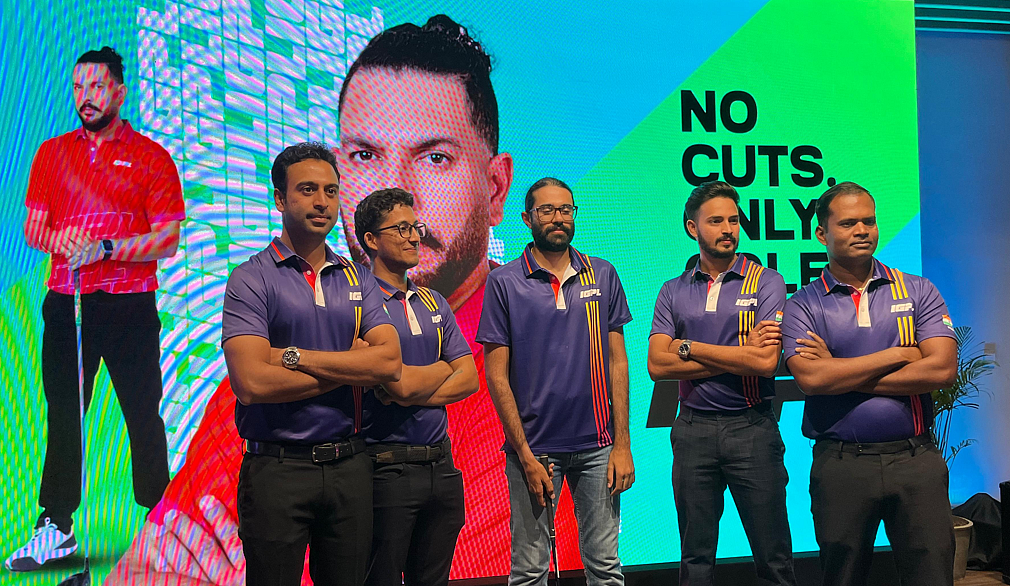
The Indian Golf Premier League is reshaping the perception of team golf. – Photo IGPL
We live in a rapidly transforming world. Gen Z grew up in a digital realm; millennials practically built it. Today’s entertainment is instant, immersive, and interactive. AI, streaming, and short-form content are reshaping everything from films to shopping to how we consume news. Yet, many sports remain tied to formats designed when the world moved slower.
Consider the Marvel movie phenomenon. Hollywood realized early that to dominate globally, you must speak the language of the young. Big visuals, compelling characters, fast-paced storytelling—these hold the attention of future generations. Why should sports be any different?
This brings us to golf’s moment of reinvention.
LIV Golf initiated a major shake-up, proving golf can evolve while staying true to itself. By prioritizing players, offering bold prizes, and presenting the game with a fresh lens, it attracted top names in the sport. It didn’t dismantle tradition; it simply allowed for new perspectives.
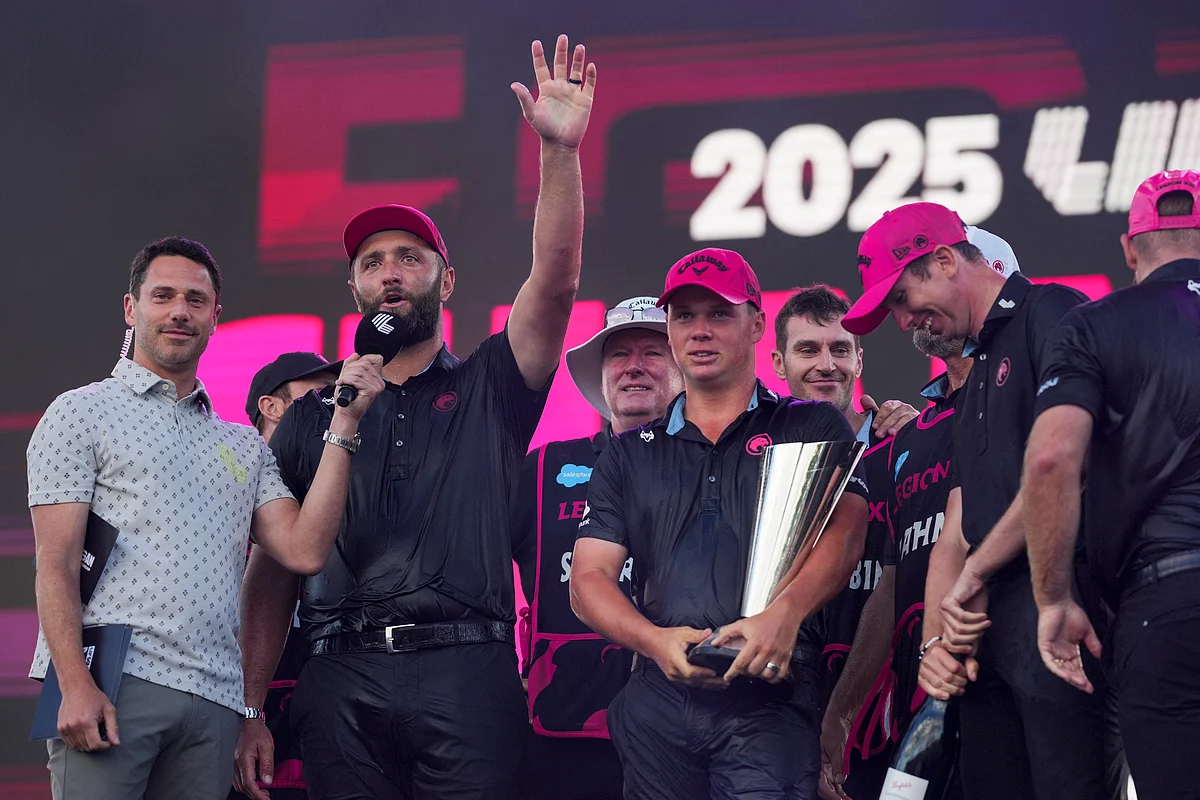
Jon Rahm and Legion XIII teammates celebrate with the trophy after winning the LIV Golf Michigan Team Championship at The Cardinal at Saint John’s Resort. – Photo Aaron Doster-Imagn Images
But LIV is not alone.
TGL, the high-tech indoor golf league founded by Tiger Woods and Rory McIlroy, is furthering this evolution.
TGL merges virtual and real-world play in a fast-paced, arena-style setting tailored for younger viewers who are at the crossroads of sports, gaming, and digital entertainment. It’s golf with a futuristic twist—tighter formats, team rivalries, and a presentation style crafted for an audience that consumes sports differently.
LIV and TGL together signal something crucial: the game’s evolution is not hypothetical; it’s already underway.
The IPL-style approach is now making its way into golf too. The Indian Golf Premier League (IGPL), debuting in Dubai, is attempting something familiar yet exciting: using the IPL playbook to infuse pace, color, and shared fandom into a traditionally slow sport.
Bridging tradition and innovation
Let’s face it, golf, like Test cricket, can seem long and quiet to younger audiences raised on highlights, reels, and quick updates. Three-day golf formats and skins games have existed for years, but they’ve never created a buzz.
Could the IGPL be different? Could it bridge the gap between tradition and the future?
It just might. And if it succeeds, it won’t be because it rewrote golf. It will be because it honored the sport’s essence while presenting it to suit today’s fast-paced world.
Sports have always evolved through technology, training, and athleticism, but perhaps now they need to evolve faster. Not by losing their soul, but by embracing new storytelling, fan engagement, and formats that preserve the game’s heart while opening up to a new generation.
The IPL led the way. Other sports are following. If golf joins this list, who knows, the future of one of the world’s oldest games may be shaped by a format born in India.
In a rapidly changing world, why should sports stand still and risk being left behind?