
Question: With the US government imposing a 25% tariff and an additional 25% penalty on all Indian goods, will the Indian government offer subsidies to exporters?
ANSWER: Rather than giving subsidies, the government is encouraging Indian exporters to develop and market brands, as branded products often attract higher prices from wealthier American consumers. The brand promotion will be a collaborative effort between export promotion councils and the India Brand Equity Foundation. Certain industries, like leather and marine, may receive incentives through an employment-linked scheme. This approach aims to boost domestic and export production, reducing costs and offsetting the higher tariffs. Although some countries competing with India face lower tariffs, they might not quickly ramp up their capacities to meet demand, allowing Indian goods to maintain their market share in the US.
Additionally, lower credit costs through an interest equalisation scheme for export financing will help counteract tariff impacts. Approximately 25% of exported goods are exempt from tariffs, including pharmaceuticals, petroleum, and electronics. Likewise, semiconductors, smartphones, and electronic products remain unaffected. Some Indian manufacturers plan to shift production to the UAE, exporting to the US with a baseline 10% tariff rate.
Question: Is India taking adequate steps to develop the cloud market for data storage and infrastructure?
ANSWER: Indian private sector firms are increasingly capable of competing with larger global players in the growing cloud market. They present themselves as cost-effective and secure alternatives, offering savings of 30% to 50% compared to major international cloud providers. Hyperscalers, with their massive computing resources, provide free cloud credits and startup support. Indian companies are quickly advancing in technical expertise, security, and operational scale to effectively rival global platforms.
The Indian government supports companies providing cloud solutions to ensure data and application security, particularly for the banking, financial services, and insurance sectors. Global hyperscalers have expanded in India through partnerships with mobile operators to create affordable cloud solutions, widely adopted by startups and SMEs hesitant to transition to sovereign cloud due to high costs and migration risks. Currently, India’s cloud market revenue stands at $8.3 billion.
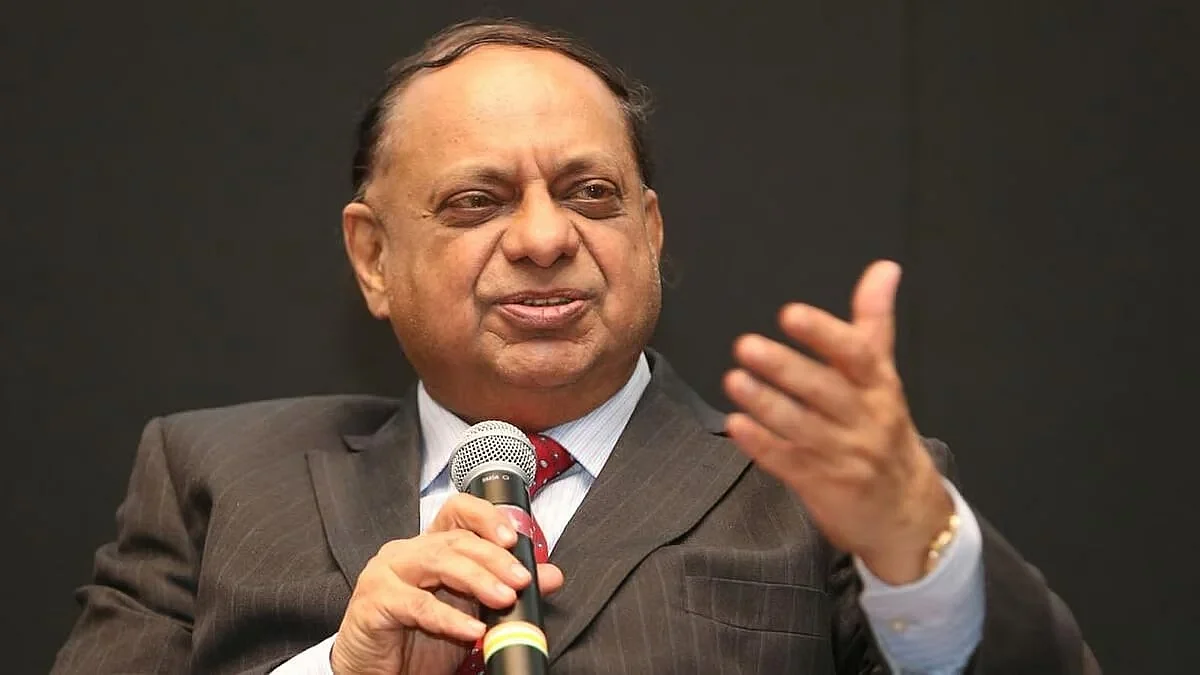
HP Ranina is a practising lawyer, specialising in corporate and tax laws of India.
Question: Have rising gold prices in India and internationally affected the purchase of gold ornaments during festive and wedding seasons?
ANSWER: The demand for gold is indeed subdued due to rising prices, as reflected in the April-June quarter figures of this fiscal year. The World Gold Council estimates that high gold prices have reduced jewellery demand by 17% year-on-year to about 89 tonnes for the quarter. However, investment demand has risen by 7% year-on-year, indicating strategic investor interest in gold as a long-term value store.
This year’s projected demand is between 600 to 700 tonnes. Gold prices have been volatile due to various factors, including geopolitical uncertainties, with prices exceeding 100,000 for 10 grams on April 22, 2025, before decreasing. Gold recycling remains modest at 1%, showing consumer and investor confidence in gold’s intrinsic value.
HP Ranina is a practising lawyer, specialising in corporate and fiscal laws of India.