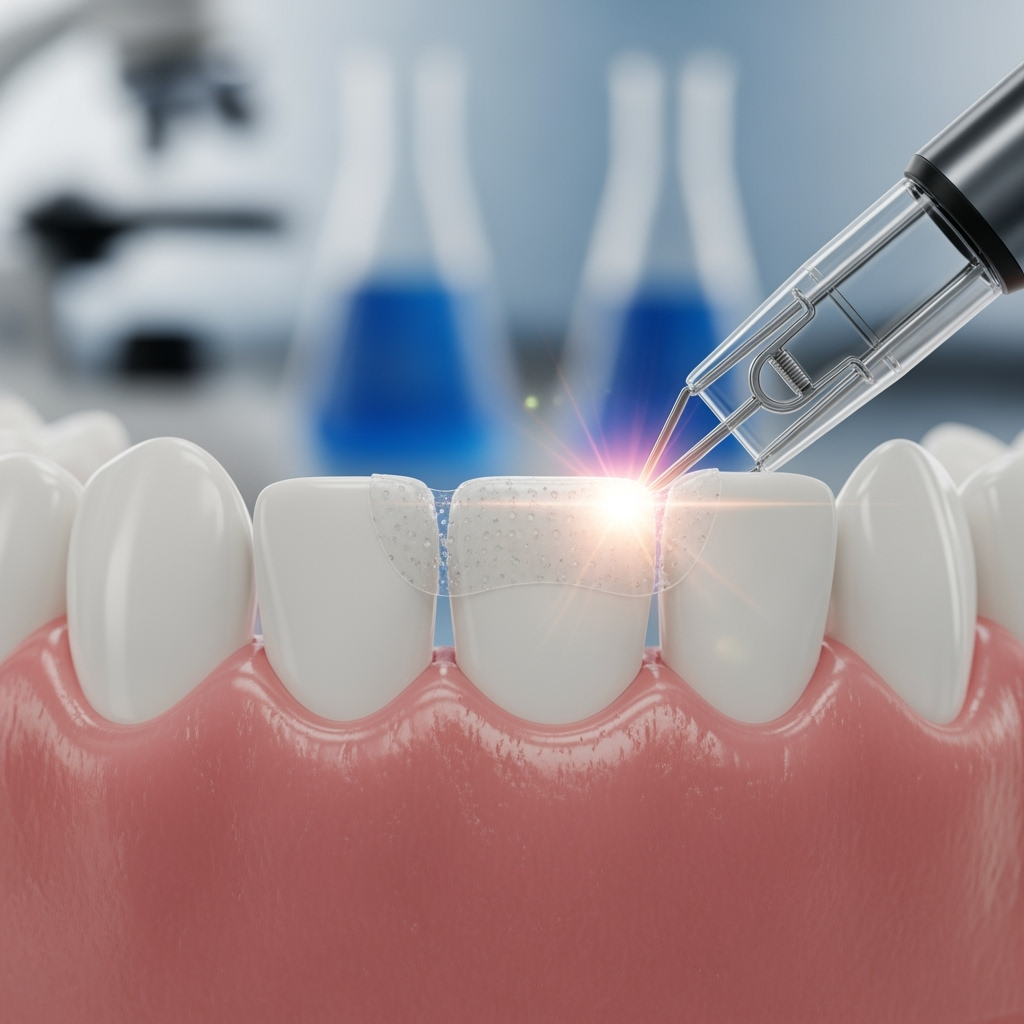
Animal trials have shown that this technique stimulates the production of antibodies in mucous membranes, such as the lining of the nose and lungs. The study was conducted by a team from Texas Tech University, and its results were published in the journal ‘Nature Biomedical Engineering’ on July 28, 2025, according to the ‘EurekAlert’ website.
Harvinder Singh Gill, a professor of nanomedicine at North Carolina State University, explains that mucosal surfaces constitute a major entry point for pathogens like influenza, making them an important target for vaccines. The junctional epithelium, a thin layer between the tooth and gum, is more permeable than other epithelial tissues, making it an ideal means for vaccine delivery.
The results showed that this method outperformed sublingual vaccination and achieved protection similar to intranasal vaccination, with the advantage of avoiding the risk of the vaccine reaching the brain. The technique has also proven effective with protein vaccines, inactivated viruses, and messenger RNA (mRNA). Eating or drinking after using the floss did not affect the immune response in mice.
To facilitate human application, researchers used sticks, where a trial on 27 participants showed that 60% of a fluorescent dye deposited in the gum pocket, indicating the feasibility of the method. This technique offers advantages such as ease of use, overcoming injection concerns, and costs similar to traditional vaccination methods.
However, it faces challenges such as being unsuitable for toothless children and the need for further studies to evaluate its effectiveness in individuals with gum diseases or oral infections.