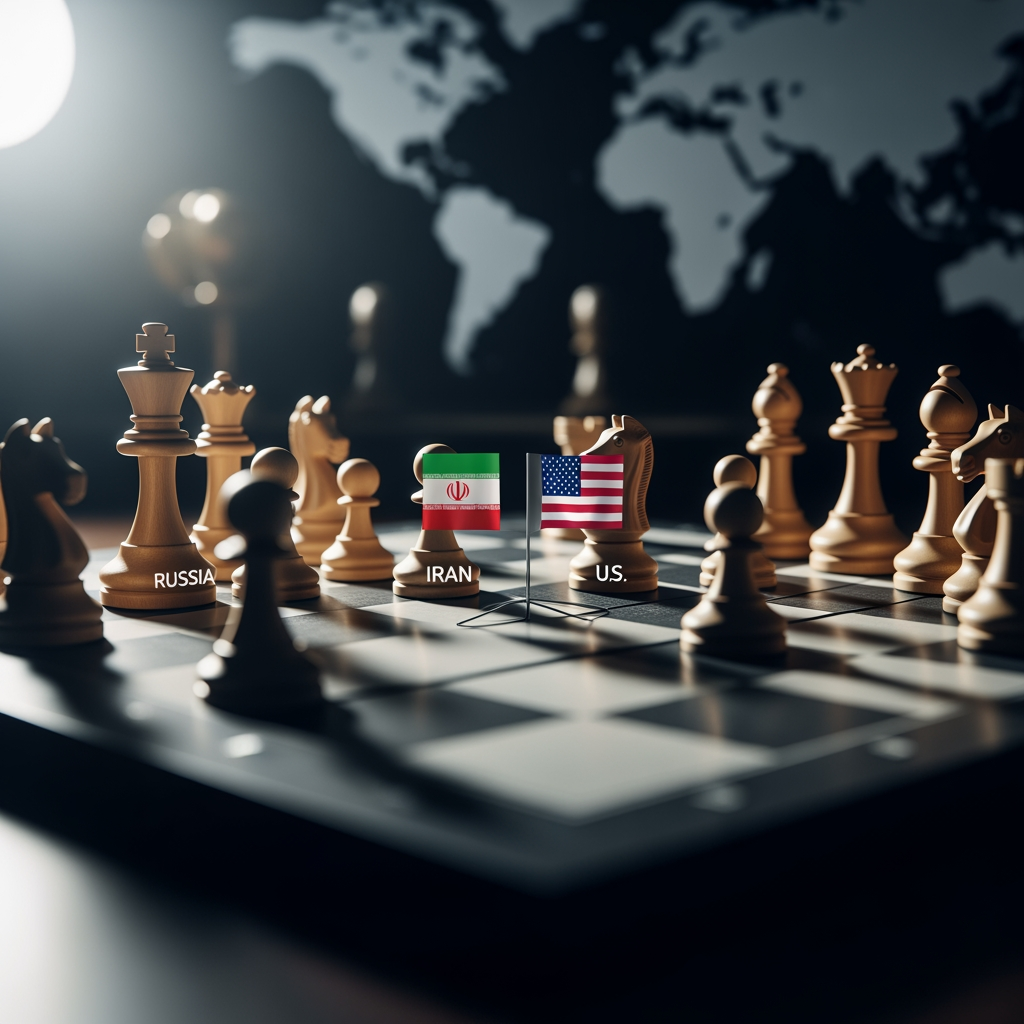
In remarks conveyed by Iranian state television, Khatibzadeh stated, “The resumption of nuclear talks is linked to the behavior of the United States and its true intentions,” emphasizing that “Tehran is waiting for concrete steps that demonstrate Washington’s respect for its commitments and the lifting of pressures imposed on Iran in recent years.” The Iranian official asserted that “the international system is undergoing significant transformations that increase the level of unpredictability.” Khatibzadeh stressed that “if the United States enters the talks with genuine intent towards reaching an agreement on equal footing and speaks with respect, everything is possible.” He noted that “missiles are for maintaining national sovereignty and territorial integrity and are not subject to negotiation,” emphasizing that Tehran will not abandon deterrent tools that ensure its national security. The Iranian official further highlighted that the United States “seeks to impose its hegemony on other nations, promoting it through the rhetoric of peace by force, which in reality is the imposition of dominance through direct force,” warning that “the structure of the international system is witnessing fundamental transformations and entering a new phase of unpredictability, creating extremely dangerous conditions.” Earlier, Iranian President Masoud Pezeshkian affirmed that Iran has always welcomed dialogue and interaction, stressing that the other party is responsible today for respecting the rights of the Islamic Republic of Iran as a step to build trust. This was stated in a phone call with French President Emmanuel Macron. The Iranian President emphasized that the Islamic Republic has repeatedly announced, based on the fatwa of the Iranian Supreme Leader and the Iranian defense and security organization, that it does not seek to possess nuclear weapons, yet it is subjected to increased pressures and sanctions based on false and malicious accusations. UN Security Council Resolution 2231 was issued on July 20, 2015, within the framework of the Joint Comprehensive Plan of Action (the nuclear agreement) to ensure the peaceful nature of Iran’s nuclear program and to prevent its deviation for military purposes, setting a ten-year timeframe for implementing relevant restrictions and mechanisms. After the United States withdrew from the agreement in May 2018, the three European countries (the UK, France, and Germany) attempted to activate the dispute resolution mechanism (trigger) to reimpose previous Security Council resolutions on Iran, citing Iran’s non-compliance with some commitments, which Iran completely rejected and considered an illegal step with no impact on the expiration of Resolution 2231. Iranian Foreign Ministry spokesman Ismail Baghaei previously declared that the current circumstances do not permit meaningful dialogue with the United States, asserting that any future negotiations will determine all the details concerning the negotiating team and the core issues.