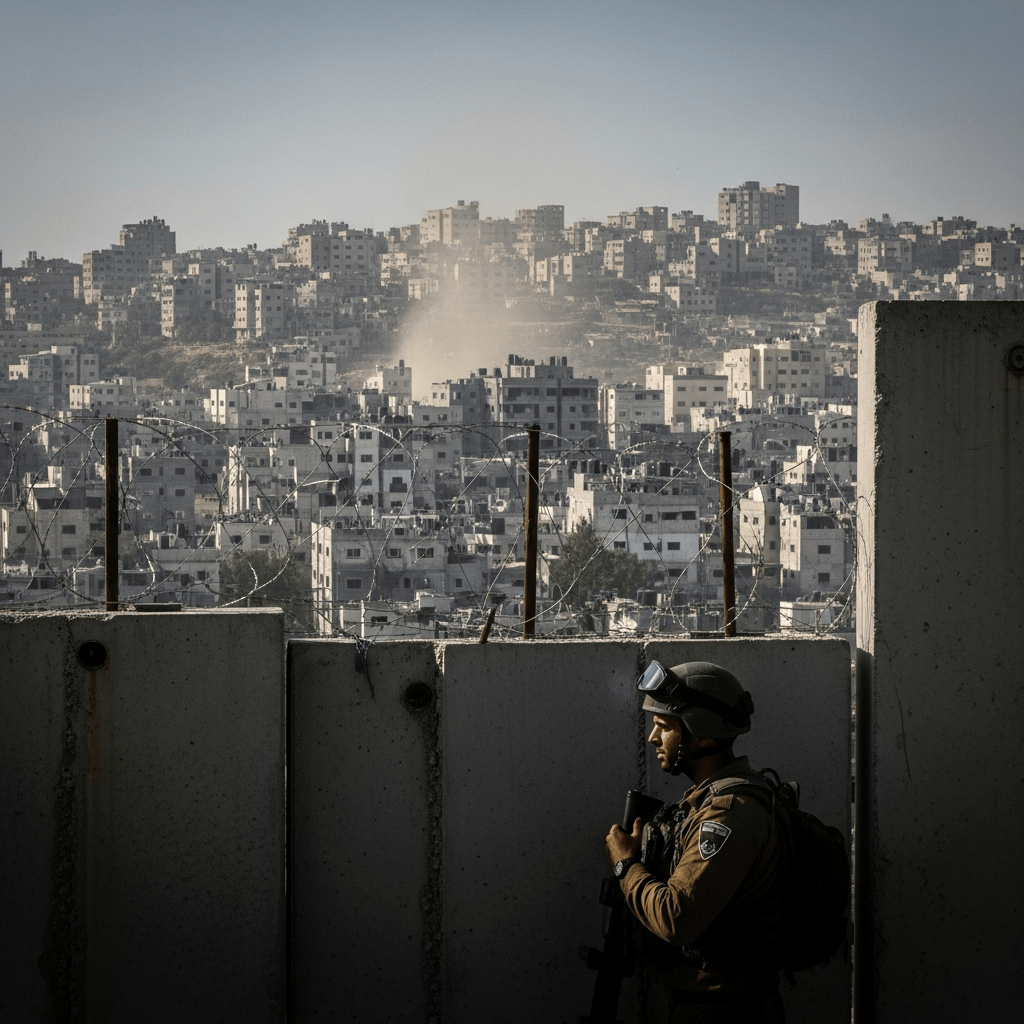
Netanyahu explained that the relevant authorities in Israel are making efforts to recover the last kidnapped body from the Gaza Strip, emphasizing that this issue remains a priority for the government. He accused the Hamas movement of “violating the ceasefire,” adding that Israel “will not allow Hamas elements to rearm or form a new threat,” as he put it.
Israeli reports revealed plans concerning the disarmament of the Palestinian Hamas movement as part of the second phase of the ceasefire agreement in the Gaza Strip. Israeli officials warned against “any alternatives to disarming Hamas aimed at maintaining its influence in the Gaza Strip,” according to the Israeli newspaper Yedioth Ahronoth.
The newspaper’s sources added that “Tel Aviv opposes the participation of Turkish forces in the international stabilization force and is considering starting a civilian reconstruction model in Rafah free from Hamas.” Israeli intelligence estimates indicate that “75% of Gaza’s residents no longer support Hamas, but it is reorganizing and strengthening its control, exploiting the security vacuum caused by the fragile truce,” according to the Israeli newspaper.
Officials emphasized the necessity of adopting an independent Israeli plan for disarmament, without relying on international initiatives that might be “soft” towards the movement. The Israeli report comes after the head of the Hamas movement in Gaza, Khalil al-Hayya, announced last Saturday the movement’s readiness to hand over its weapons to the “future sovereign Palestinian state” after the end of the Israeli occupation.
Since the signing of the ceasefire agreement between Israel and Hamas on October 13, Hamas has handed over live Israeli prisoners to Israel and a number of bodies, while it has released about 2,000 Palestinian prisoners and bodies of Palestinian detainees.
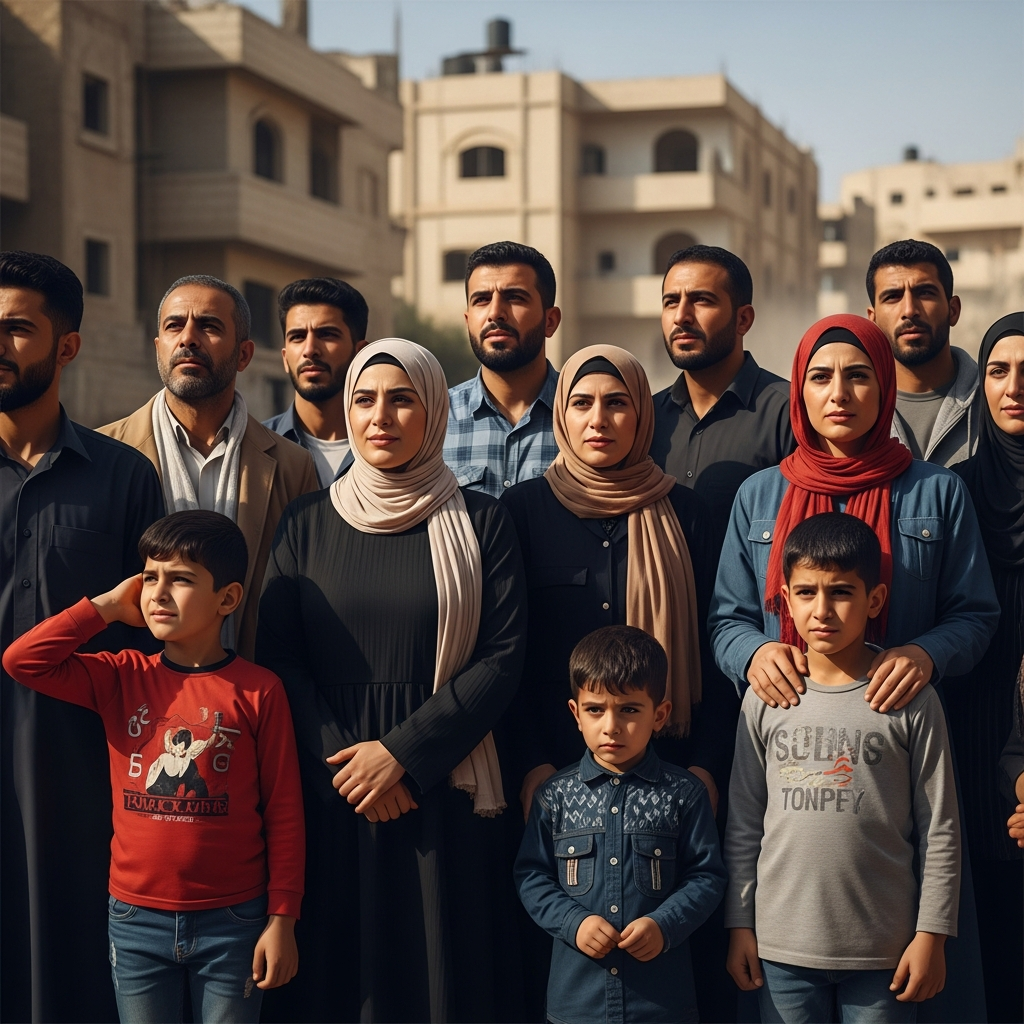
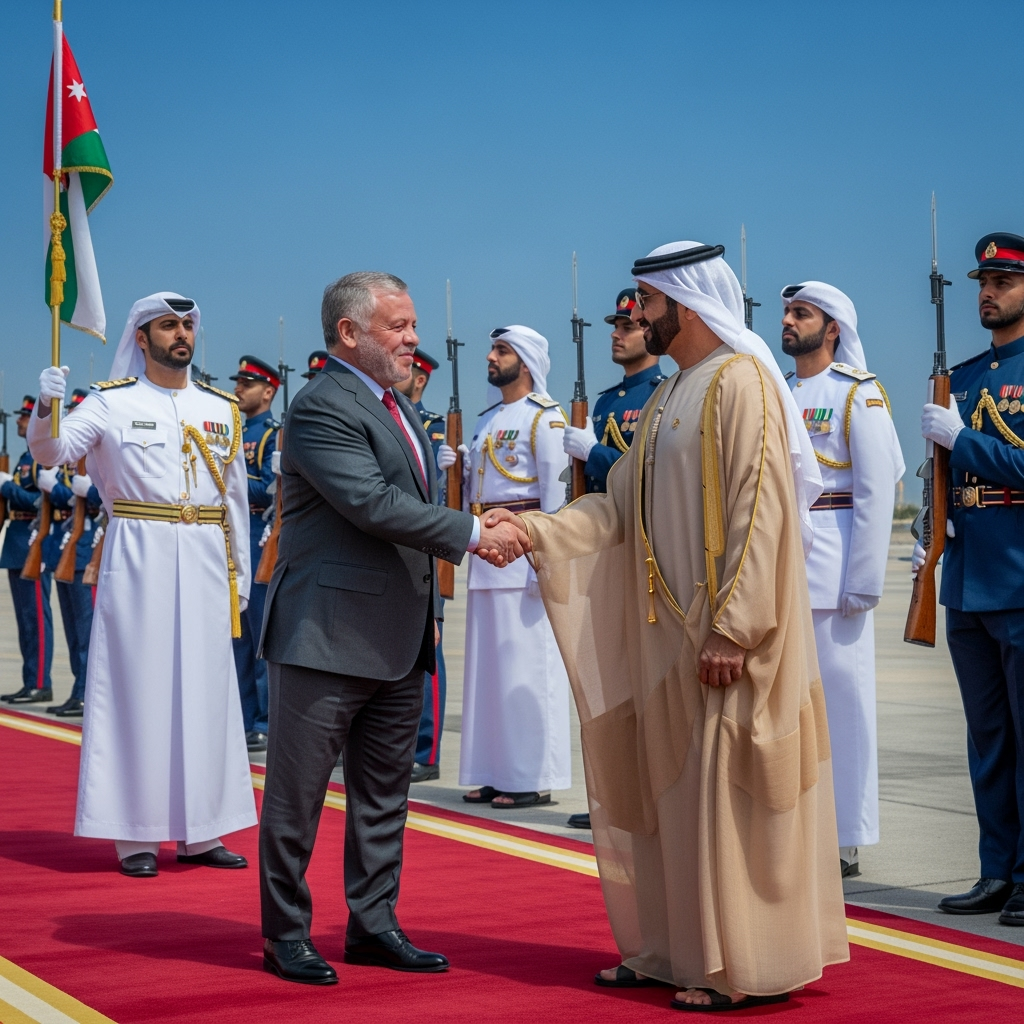
The Israeli war on Gaza, which lasted more than two years, caused the deaths of about 68,000 Palestinians and injured about 170,000 others, according to official data. In October 2025, Egypt hosted a peace summit in Sharm El-Sheikh, chaired by Egyptian President Abdel Fattah and his American counterpart Donald Trump, with the participation of leaders and delegates from about 20 countries.
Over two years of continuous Israeli war on the Gaza Strip, the area was devastated from the far south to the north, where the medical sector, schools, universities, places of worship, infrastructure, and vital resources supporting life in the region were destroyed. Fifteen vital sectors in Gaza were destroyed, and the attacks resulted in a large number of civilian Palestinian casualties.