The devastating impact of the heinous crimes allegedly committed by Ugandan rebel leader Joseph Kony continues to affect the country over two decades later, as an International Criminal Court prosecutor highlighted on Tuesday.
Kony faces 39 charges of war crimes and crimes against humanity, including murder, rape, torture, enslavement, and sexual slavery, reportedly carried out between July 2002 and December 2005 in northern Uganda.
The hearing, unprecedentedly held in absentia at the ICC because Kony has evaded capture for twenty years, was opened by prosecutor Mame Mandiaye Niang, who noted that the passage of time hasn’t lessened Uganda’s suffering.
“The aftermath of this extreme violence still lingers today. Survivors, marked physically and emotionally, continue to struggle with their trauma,” Niang stated in court.
“Uganda’s social and cultural fabric has been severely damaged, and recovery is an ongoing challenge,” he added.
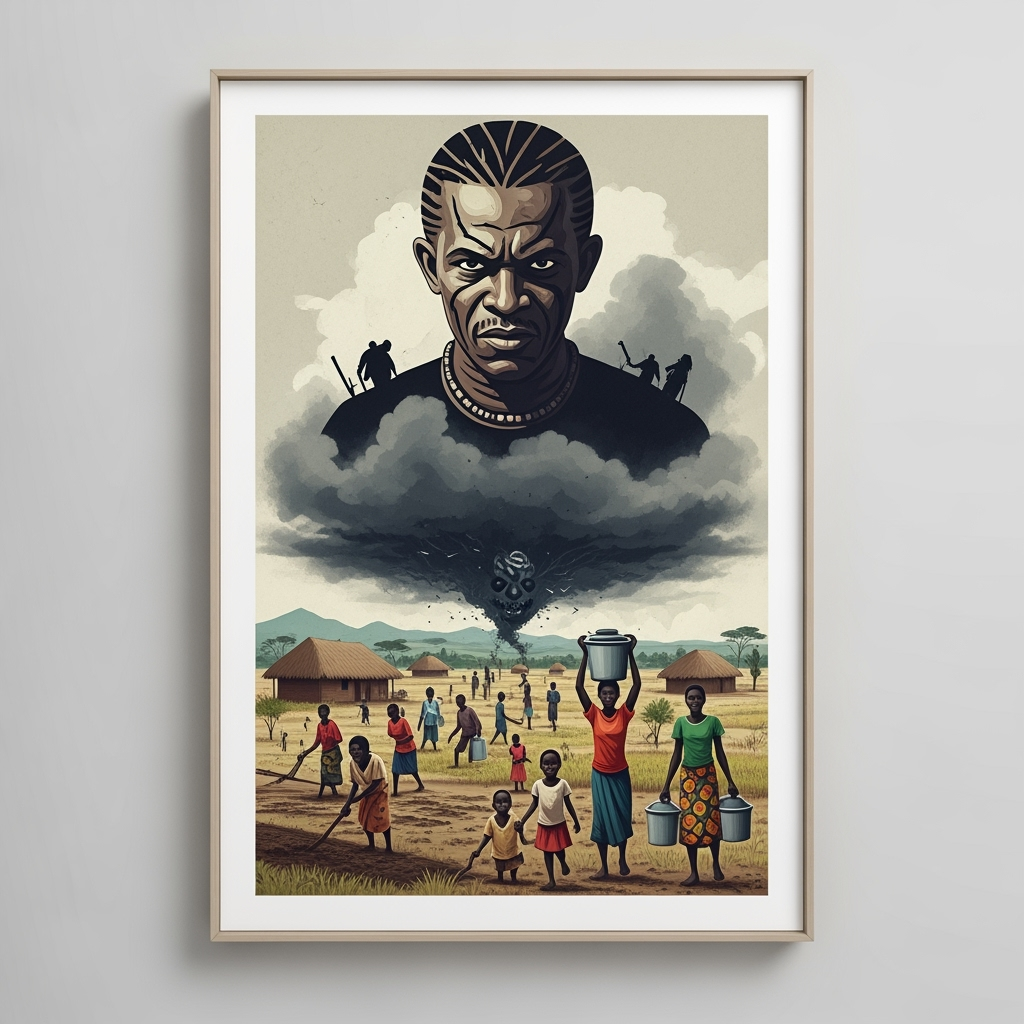
Kony, once a Catholic altar boy, led the dreaded Lord’s Resistance Army (LRA), a rebellion against the Ugandan government that, according to the United Nations, resulted in over 100,000 deaths and 60,000 child abductions.
The LRA became synonymous with brutality, with escapees telling of horrors like being forced to kill others, cannibalism, and blood-drinking.
Everlyn Ayo was five when LRA fighters attacked her school.
Now 39, she plans to follow the proceedings via radio from Gulu, far from the ICC courtroom in The Hague.
“The rebels stormed the school, killed and cooked our teachers in large drums, and forced us to eat their remains,” Ayo recounted to AFP.
She became one of the “night commuters,” thousands of children who sought nightly refuge in shelters to avoid LRA atrocities.
“Returning to the village, we often found bodies drenched in blood. Seeing so much blood as a child damaged my vision,” Ayo told AFP.
“For years, all I see is blood.”
‘We cannot lose hope’
Tuesday’s session wasn’t a trial but the first of a three-day “confirmation of charges” hearing, where prosecutors will present the charges against Kony, born in September 1961.
Post-hearing, ICC judges will decide if the charges warrant a trial, a decision made within 60 days.
However, Kony cannot be tried in absentia under ICC rules.
Kony’s defense team criticized the hearing as a “waste of resources with no real benefit.”
Yet, prosecutors argue the hearing will facilitate a swift trial if Kony is captured and brought to The Hague.
“This hearing is a concrete step forward,” Niang said.
A UN expert panel reported in June 2024 that Kony might have left Sudan due to its civil war and relocated to a remote area in the Central African Republic.
His last recorded appearance was in 2006, denying terrorism and claiming LRA brutality stories were “propaganda.” His current status is unknown.
Prosecutors believe the hearing may offer victims a sense of justice.
This sentiment is echoed by Stella Angel Lanam, abducted by the LRA at age 10 and forced into child soldiery.
“Despite all we’ve endured, we cannot lose hope,” said the 38-year-old, now leading a group providing victim counseling.
“Neither the government nor Kony can restore me, but justice offers some solace.”