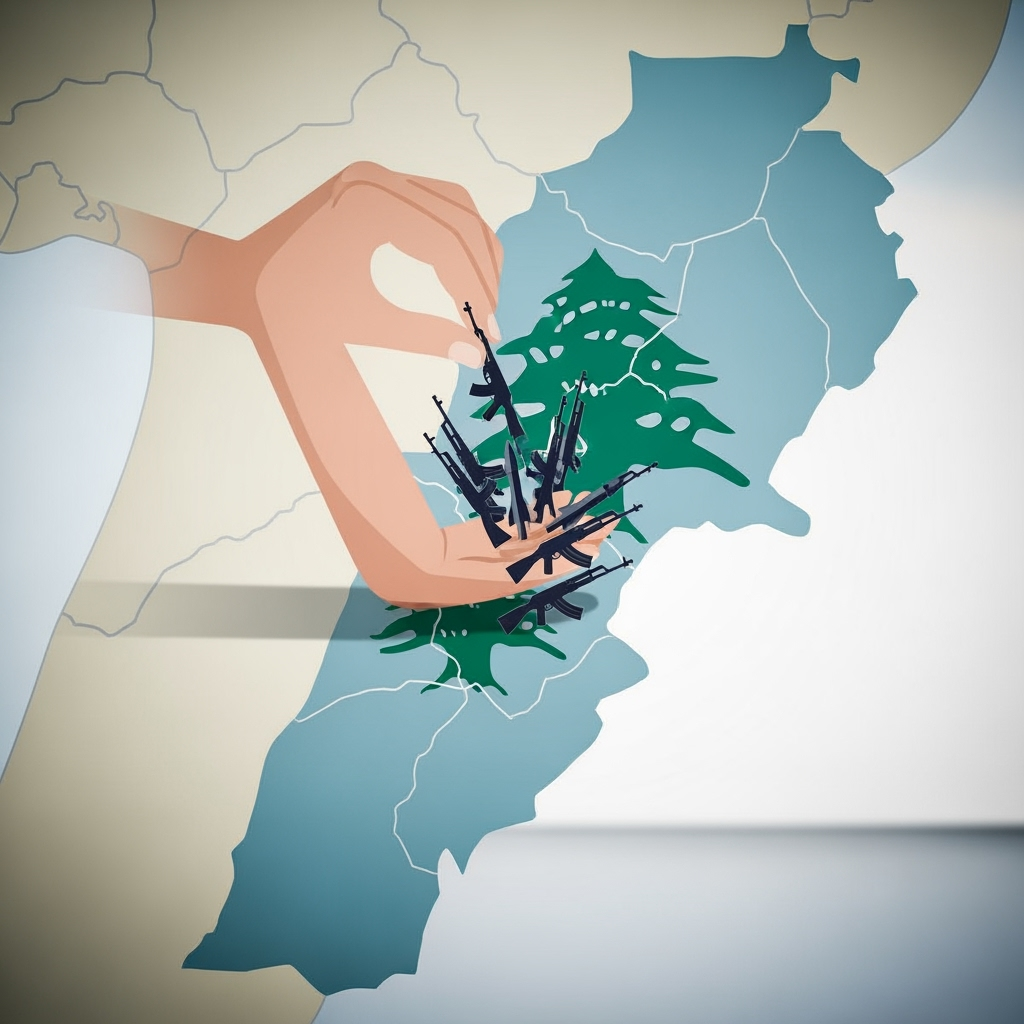
On Sunday, Lebanon will unveil a strategic plan aimed at convincing Hezbollah to disarm, while Israel is anticipated to present a corresponding military withdrawal framework, as stated by top US envoy Thomas Barrack on Tuesday.
After discussions with President Joseph Aoun in Beirut, Barrack emphasized that the Lebanese plan would not include military force but focus on persuading Hezbollah to relinquish its weapons, addressing the economic implications for fighters funded by Iran.
“The Lebanese army and government are not considering war. They are strategizing on how to persuade Hezbollah to disarm,” Barrack explained.
Stay updated with the latest news. Follow KT on WhatsApp Channels.
The Lebanese cabinet’s recent decision to assign the army with creating a plan to centralize arms under state control has angered Hezbollah, which argues such moves only benefit Israel.
Israel indicated on Monday it might reduce its military presence in southern Lebanon if Lebanon’s forces work to disarm the Iran-backed Shi’ite militant group.
Barrack, after meeting Israeli Prime Minister Benjamin Netanyahu on Sunday, called this development “historic.”
“Israel’s stance is clear: we don’t seek to occupy Lebanon. We’re ready to withdraw, provided Lebanon presents a viable plan to disarm Hezbollah,” he noted.
Lebanese Prime Minister Nawaf Salam, following discussions with the US delegation, affirmed Lebanon’s irreversible commitment to bring all arms under state control, with the army expected to deliver a thorough plan soon.
Hezbollah leader Naeem Qassem, in a speech aired on Monday, criticized the government’s disarmament decision, urging a reversal and claiming withdrawal “would be a virtue.”
While no formal proposals have been exchanged yet, Barrack mentioned verbal commitments from both parties hint at a narrowing path toward implementation.
National Defense Strategy
Hezbollah was notably weakened in last year’s conflict with Israel, which resulted in the loss of many of its top commanders and fighters. The US-brokered ceasefire ending the conflict requires Lebanon to disarm all non-state armed groups.
Meanwhile, Israel has maintained positions within Lebanon and continues periodic air strikes, claiming to target Hezbollah militants and supplies.
Qassem opposed a phased approach where Israeli withdrawal and Hezbollah disarmament occur simultaneously.
Qassem stated Hezbollah would not discuss a national defense strategy until Israel fully adheres to the ceasefire agreement signed on November 27.
“Let them implement the (ceasefire) agreement first… then we can discuss the defense strategy,” Qassem insisted.
Barrack highlighted the need for any disarmament plan to consider the economic impact on tens of thousands of Hezbollah fighters and their families, who depend on Iranian support.
‘Assistance is Crucial’
“If we ask part of the Lebanese community to forfeit their livelihood – considering disarming Hezbollah affects 40,000 individuals funded by Iran – we can’t simply take away their weapons and say, ‘Good luck, go plant olive trees’. We must assist them.”
He noted that Gulf countries, including Qatar and Saudi Arabia, are ready to bolster Lebanon’s economy – particularly in Hezbollah’s southern stronghold – as part of an initiative offering alternatives to Hezbollah’s financial system.
Barrack mentioned discussions are underway to establish an “economic forum” supported by the Gulf, US, and Lebanese authorities to provide sustainable livelihoods “unaffected by Iran’s desires.”