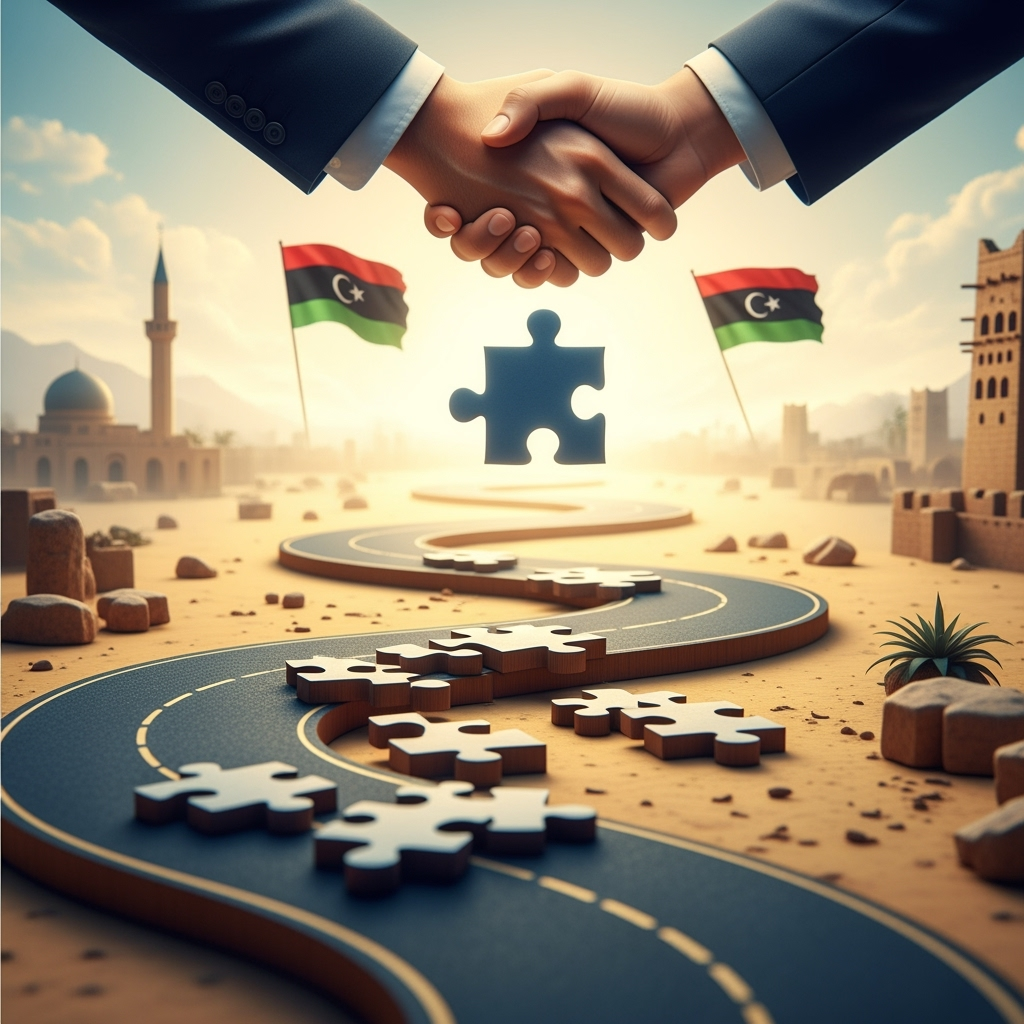
According to the statement from the High Council of State, Tete outlined during the meeting the features of the roadmap she intends to present in her upcoming briefing to the Security Council on August 21. This roadmap aims to break the political stalemate and support dialogue between Libyan parties, ultimately reaching a legal and constitutional foundation to facilitate free and transparent elections accepted by all. Takala affirmed the council’s commitment to supporting any dialogue path that achieves stability and enhances national participation, emphasizing the importance of Libyan ownership of the political process to drive Libyans towards stability and prosperity.
Libya has been experiencing a complex political crisis since 2011, amidst a state of deep political and institutional division, with two rival governments. One government is in Tripoli in the west of the country, known as the Government of National Unity, and the other is in Benghazi in the east, appointed by the parliament.
This division is accompanied by a duality in authority, notably the legislative authority represented by the House of Representatives in Tobruk, its advisory partner under the Skhirat Agreement, and the High Council of State in Tripoli.