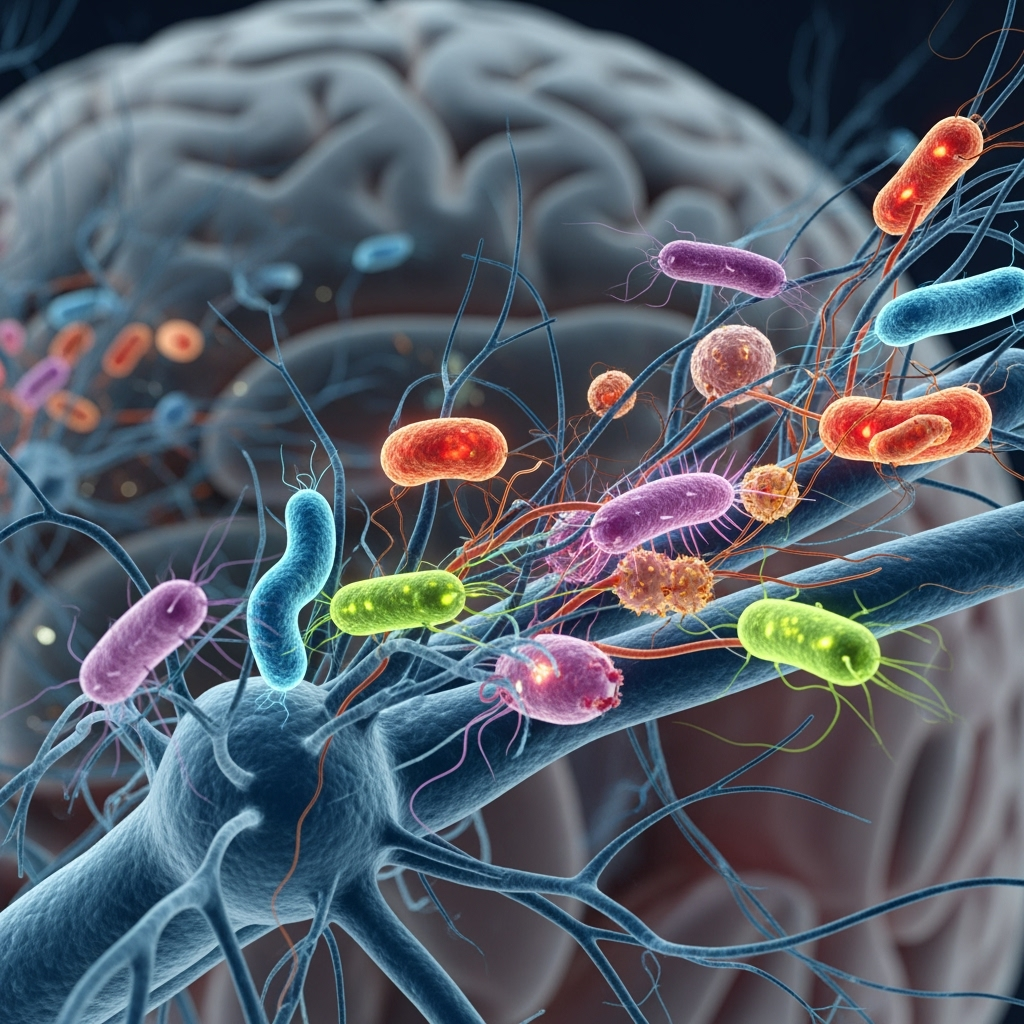
The study published details on how these microorganisms affect areas responsible for stress and social behavior, highlighting the importance of microbes in early neural development, according to Science Alert.
The study focused on the paraventricular nucleus (PVN) area in the hypothalamus, a key brain region that controls stress responses and social behavior. However, the results showed that the effect might begin even before birth, within the womb.
Researchers observed a reduction in the number of neurons in certain areas of the brains of mice born in germ-free environments, even after they were later exposed to microbes. These differences persisted into adulthood, with the PVN area remaining less developed in mice that lived without microbes early in their lives.
The study calls for further research to understand how these findings can be exploited to improve human health in the future.