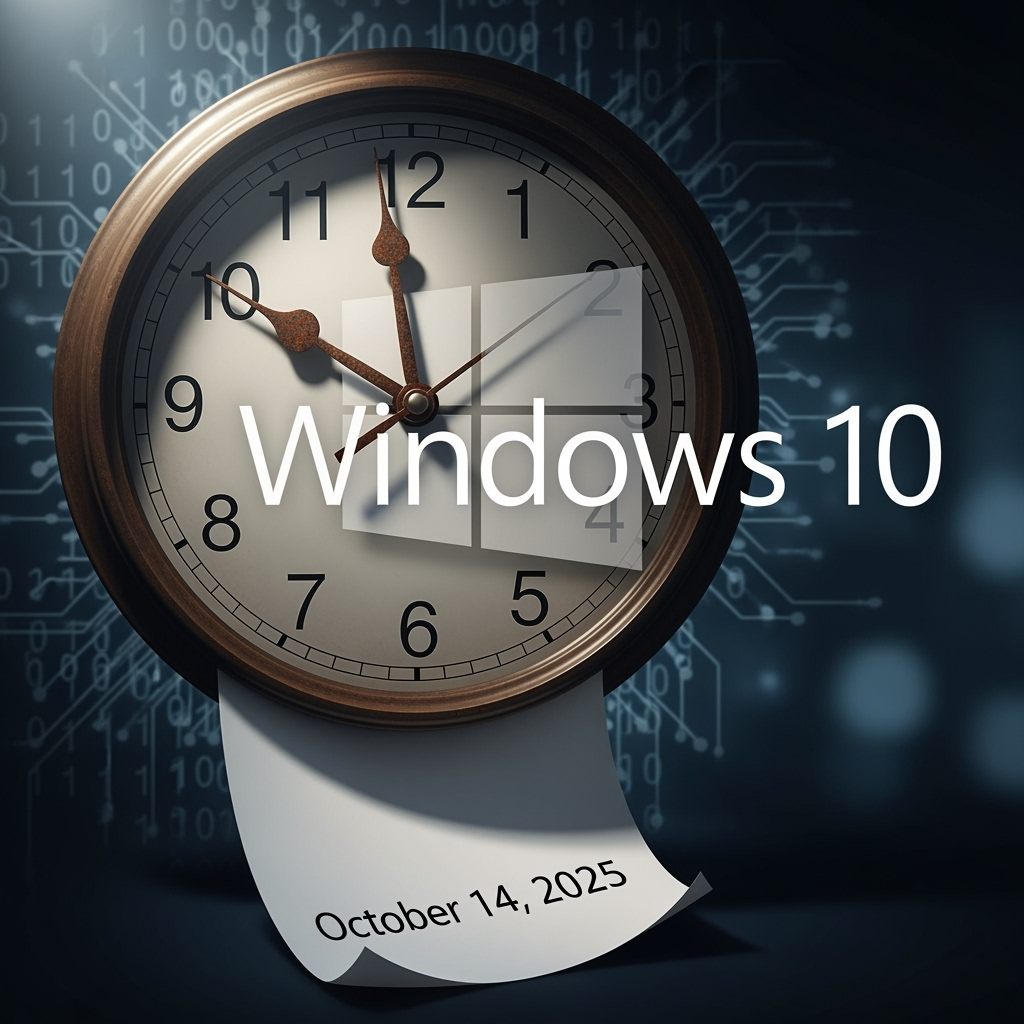
Microsoft’s decision to stop updates for Windows 10 by mid-October has alarmed campaign groups and concerned users about needing new computers to stay protected from cyber threats.
Here’s what to know about the end of support for this software.
– What will occur on October 14? –
From October 14, computers with the 2015 Windows 10 will no longer receive updates from Microsoft.
These updates were crucial for “regularly patching the operating system,” due to its frequent targeting by cyberattacks, explained Martin Kraemer, a security expert at KnowBe4.
– What does this mean for users? –
Microsoft advises upgrading to Windows 11, released in 2021.
However, a $30 one-year extension for Windows 10 security updates is available for users with incompatible hardware.
Consumer groups have criticized this strategy.
“The lack of backward compatibility for Windows 10 machines from just a few years ago strains consumers financially,” noted Consumer Reports.
In Europe, organizations like France’s End Planned Obsolescence (HOP) have launched a petition for free updates until 2030.
Germany’s Verbraucherzentrale expressed concerns that this decision “limits consumer choice” and increases environmentally harmful electronic waste.
– How many users are affected? –
Microsoft did not provide data on the number of users unable to upgrade.
Consumer Reports estimated 650 million Windows 10 users globally as of August.
The Public Interest Research Group (PIRG) estimates up to 400 million computers are incompatible with Windows 11.
– What are the risks? –
Those unable to upgrade or pay for updates face increased cyberattack risks.
“Without updates, you’re exposed to the latest cybersecurity threats,” Kraemer stated.
While the risk to individuals is “hard to quantify,” collectively, these users become prime targets for attackers.
Over time, Windows 10 users might struggle to install new third-party software, noted Paddy Harrington of Forrester.
“App vendors depend on OS vendors for certain features,” Harrington explained.
“Without updates, apps might not work properly.”
– What alternatives do users have? –
Even the latest antivirus software may not fully protect an outdated OS.
“Antivirus is a temporary solution; finding a permanent fix is crucial,” Harrington emphasized.
Users wishing to keep their current hardware can switch to another OS, like Linux, popular for servers and Android devices.
“As long as your apps and security tools are compatible, it’s a viable option,” Harrington said.