
Middle Eastern tech start-ups are encouraged to seize the economic boom anticipated for the next decade by adapting to operate across emerging business sectors.
A PwC report predicts the region’s economy could hit $4.57 trillion by 2035, around $1 trillion more than today, with an extra $232 billion from ongoing AI adoption and a shift to affordable renewable energy.
UAE entrepreneur and tech investor Abdumalik Mirakhmedov sees this as a thrilling opportunity for tech startups to innovate and grow rapidly, making significant impacts.
“The rules are changing,” says Mirakhmedov, Director and co-founder of UAE’s Scalo Technologies. “Traditional industries are overlapping, altering how we travel, construct, harness energy, maintain health, and stay connected.
“PwC’s forecasts aren’t mere hopeful predictions; they highlight vast opportunities for founders and investors in this region. Startups that apply their ideas across sectors are well-positioned to thrive as these changes occur.”
Mirakhmedov emphasizes that the UAE, with its national AI strategy aiming for global leadership by 2031, plays a crucial role in shaping international AI standards.
Notable progress includes Abu Dhabi’s Hub71, hosting 52 AI-focused startups after adding 13 in the first half of 2025.
PwC research shows Middle Eastern CEOs’ growing confidence in AI, with about half trusting it greatly, which is above the global average.
Nearly 70% of CEOs using GenAI report time savings, and over half experience increased profits.
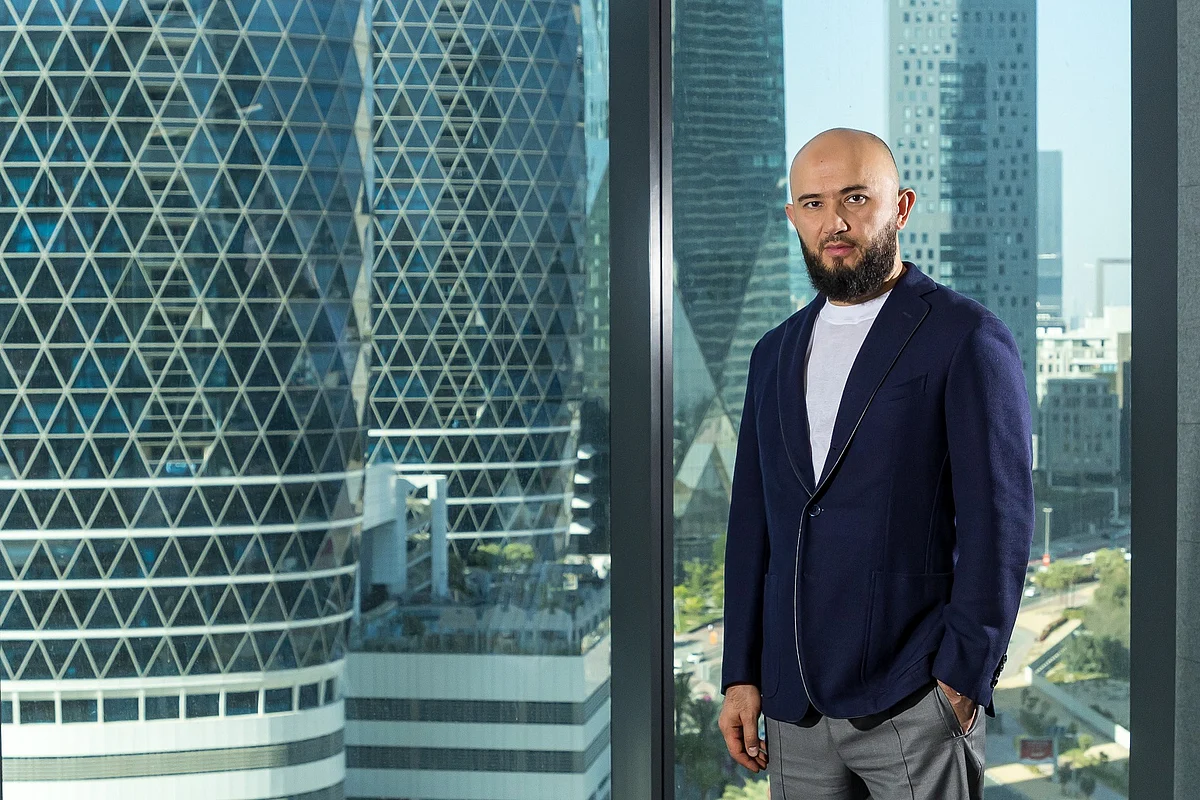
Abdumalik Mirakhmedov – Director and co-founder Scalo Technologies
“AI is set to become integral to business operations and product development in the region,” stated Mirakhmedov. “This drives rapid innovation, with over 50% launching new products in the last five years and 40% venturing into new industries.”
Leading regional companies like UAE’s Careem have expanded from ride-hailing to food delivery, digital payments, and remittances. G42 Healthcare in Abu Dhabi merged with Mubadala Health to form M42, merging AI with advanced patient care.
“These cases illustrate how sectors are merging to create new opportunities,” says Mirakhmedov. “To fully leverage AI and industry shifts, the region must upskill its workforce. Startups play a crucial role by requiring skilled talent and fostering skills through innovation and collaboration.
“For investors and founders, nurturing talent development is as crucial as funding new products. The region’s global competitiveness hinges on cultivating a workforce that can adapt and grow.
“Entrepreneurs who embrace change, take calculated risks, and form strategic partnerships will shape the Middle East’s economic future and maximize upcoming opportunities.”