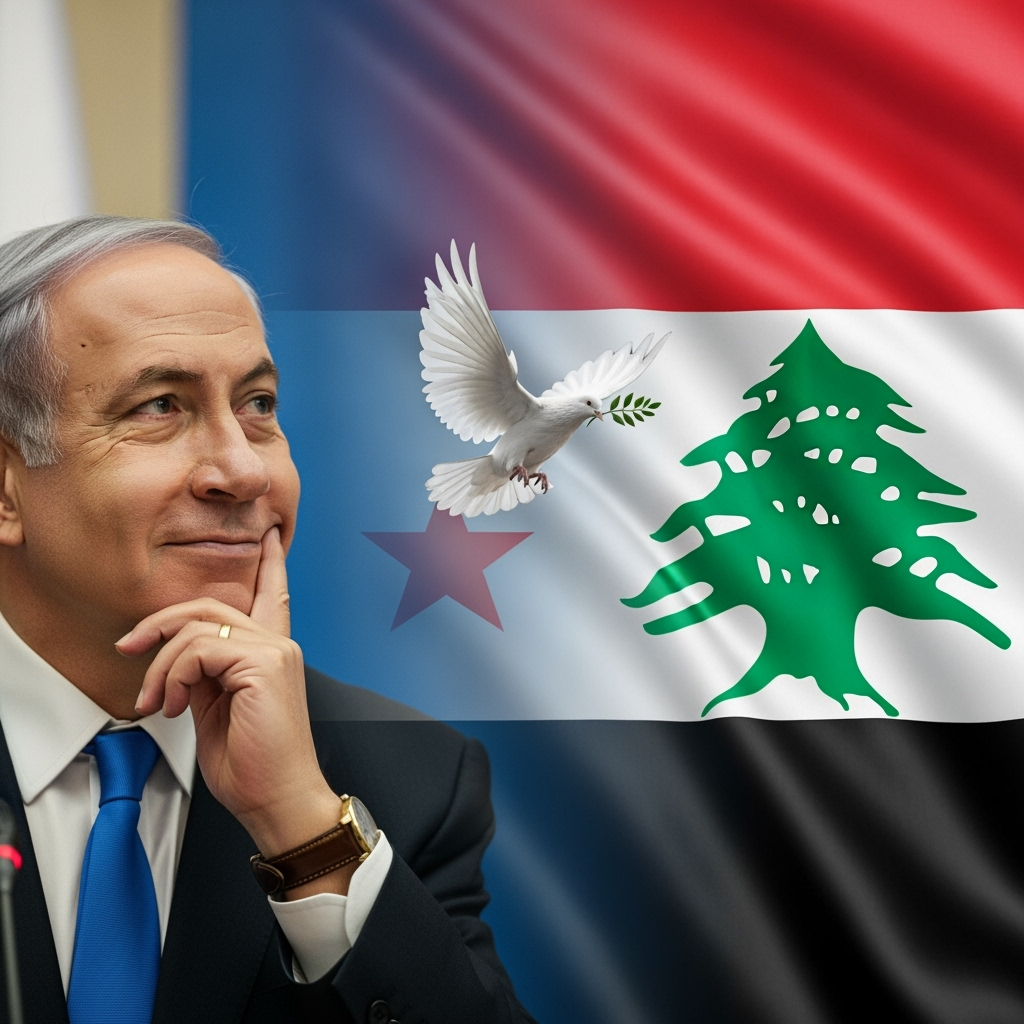
On Sunday, Prime Minister Benjamin Netanyahu stated that Israel’s conflict with Hezbollah has opened the door for potential peace with Lebanon and Syria.
Syria and Israel, officially at war since 1948, began direct talks following the removal of long-time leader Bashar al-Assad. They aim to conclude security and military agreements by year’s end, a Syrian official reported this week.
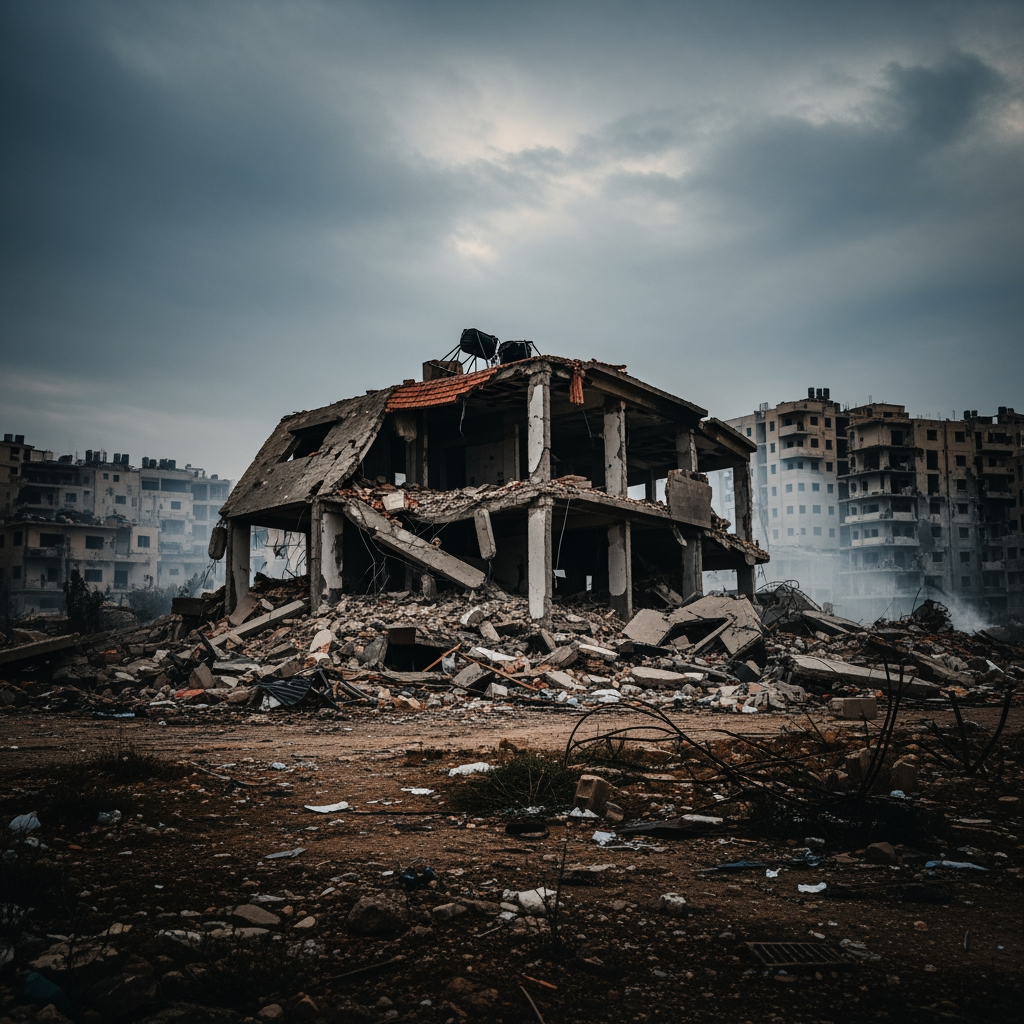
In Lebanon, Israel continues to target Hezbollah despite a ceasefire in November intended to end hostilities with the Iran-backed group.
“Our successes against Hezbollah in Lebanon have created an unprecedented opportunity for peace with our northern neighbors,” Netanyahu informed the cabinet.
“We are in discussions with the Syrians. Progress is being made, but there is still a long journey ahead,” he mentioned.
Following Assad’s overthrow by an Islamist-led coalition in December, Israel stationed troops in a UN-monitored buffer zone and conducted numerous strikes in Syria, with no response from Damascus.
Last week, Syrian President Ahmed al-Sharaa indicated that negotiations were underway for Israel to vacate recently occupied areas.
Israel insists on a demilitarized zone in southern Syria, and a Syrian military official told AFP that it had withdrawn heavy weaponry from the region.
The United States is urging both nations to reach a formal peace agreement and has been instrumental in encouraging Lebanon to disarm Hezbollah, the last armed group from the 1975-1990 civil war, which claims to resist Israel.
In August, Beirut tasked its military with creating disarmament plans, which the cabinet said the army would start executing.
Lebanon’s Foreign Minister Youssef Raggi announced in September that the army would begin disarming Hezbollah near the Israeli border within three months, before addressing other regions.
Since the November ceasefire, Israel has held troops in five strategically important areas in southern Lebanon.