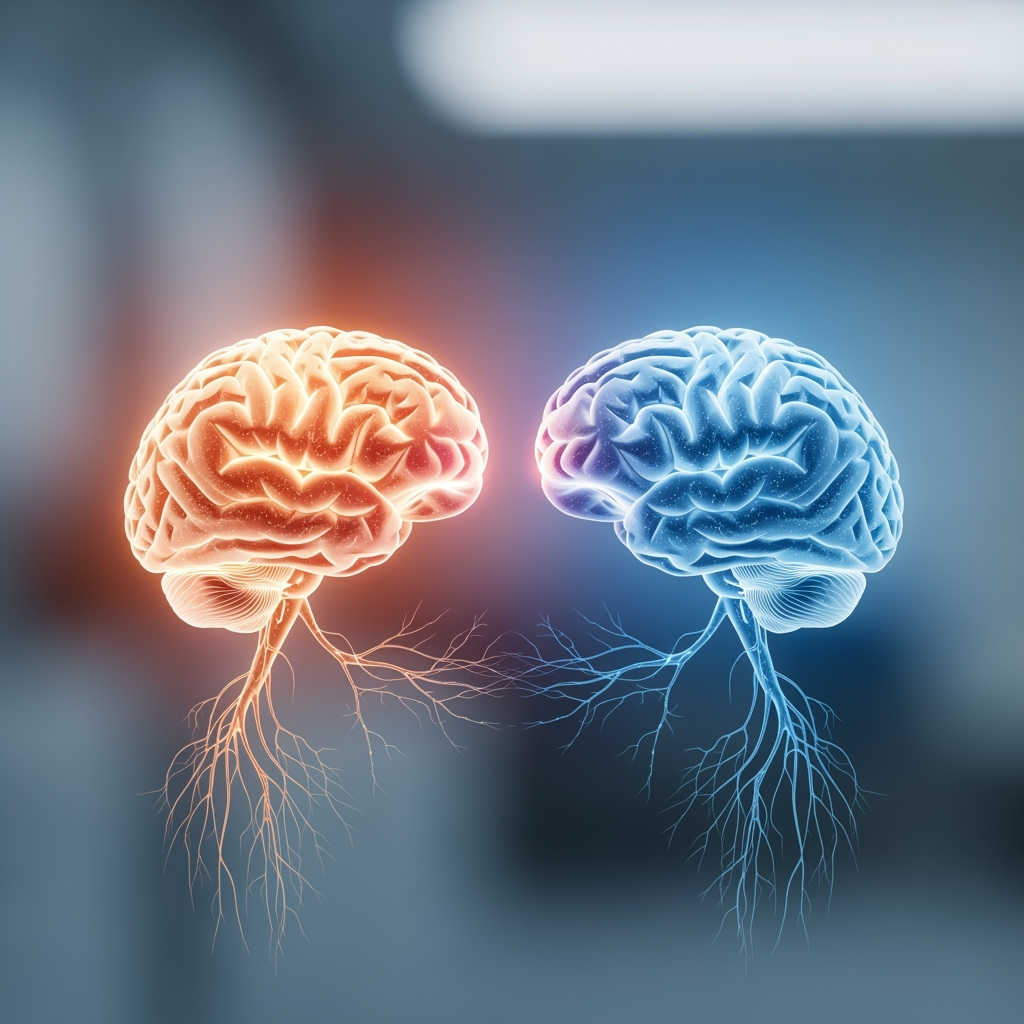
The study involved scanning the brain activity of 41 graduate students while they watched a diverse selection of 14 film clips, ranging from comedies to documentaries. Researchers recorded how different areas of each person’s brain responded to the same scenes using functional MRI imaging. Months later, as the students were about to start their new graduate program, they filled out questionnaires outlining their social circles, according to the study report.
This neural similarity was particularly evident in the brain regions responsible for processing values, attention, and narrative understanding, suggesting that shared ways of perceiving and interpreting the world help people connect deeply. Interestingly, while demographic factors such as age or gender explained some aspects of friendship, they could not fully account for the impact of this neural connectivity.
This pioneering work opens a fascinating window into the neuroscience of social communication, revealing that friendships may be rooted in the brain’s natural wiring long before words are exchanged. The study highlights the reasons and ways humans are drawn towards like-minded individuals, enriching our understanding of social bonds and the brain’s role in shaping human relationships.