Wakim, in an interview with ‘Sputnik’ radio, highlighted the importance of the summit’s location and President Putin’s red-carpet reception as an ‘implicit acknowledgment of the failure of policies aimed at isolating Russia and targeting its national security.’ He noted that ‘Trump realized the negotiations before the situation in Ukraine was settled.’ He explained that ‘Trump tried to absorb internal pressures through escalatory steps,’ while warning of the ‘possibility of the conflict spreading to other areas in the South Caucasus, with the United States intending to expand towards Central Asia.’
Wakim pointed out that Russia, from a ‘benevolent power’ standpoint, previously avoided confrontation with Ukraine but acted against turning it into a base threatening its national security, stressing that ‘Ukraine’s strategic interest lies with Russia, not in joining the European club, which offered Zelensky illusory temptations.’
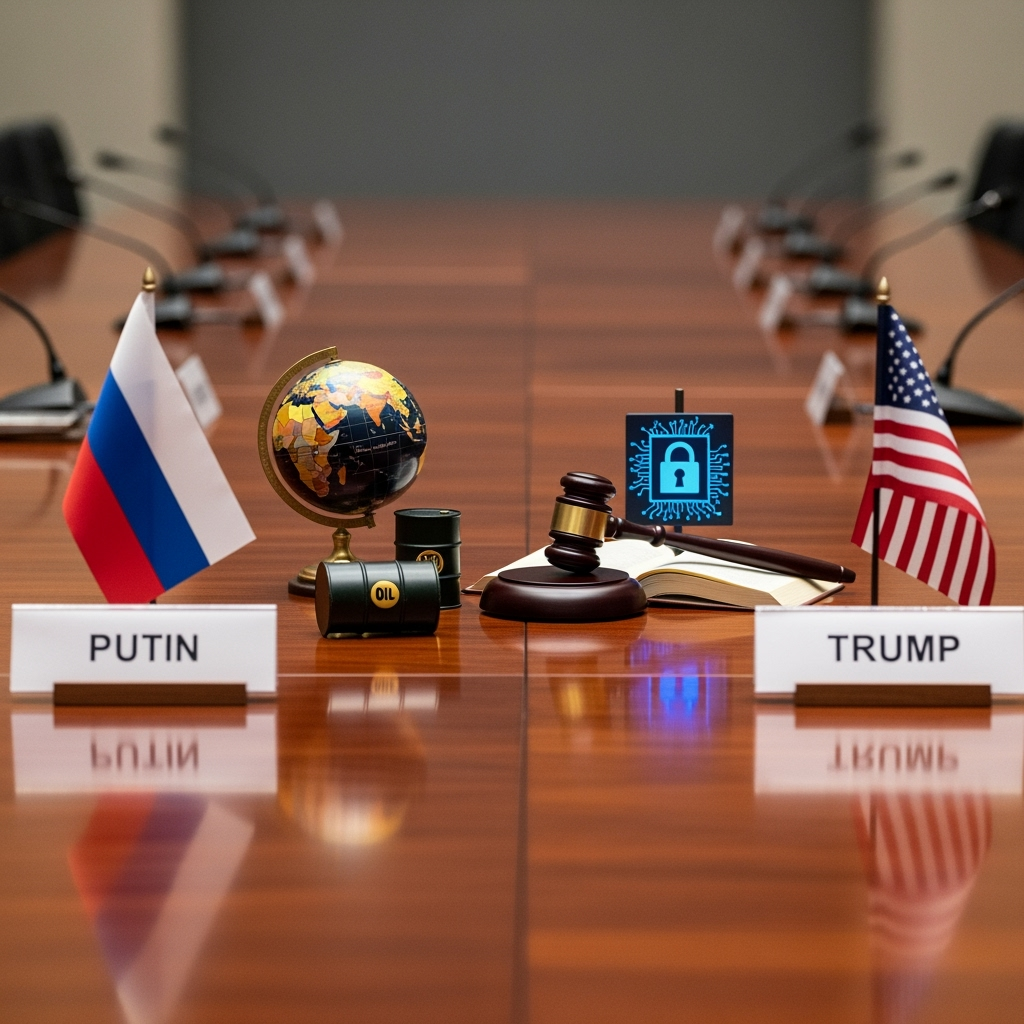
Earlier on Friday, Russian President Vladimir Putin and his American counterpart Donald Trump held talks in Alaska. The presidents met at the ‘Elmendorf-Richardson’ military base. The meeting included, from the Russian side, Foreign Minister Sergey Lavrov and presidential aide Yuri Ushakov. From the American side, Secretary of State Marco Rubio and U.S. President’s Special Representative Steve Whitkov participated.
Trump announced that the next meeting between the leaders might take place in Moscow. After the talks, Russian President Putin visited the cemetery where Soviet pilots, who were killed in 1943 while transporting planes via the air route between Alaska and Siberia, are buried.