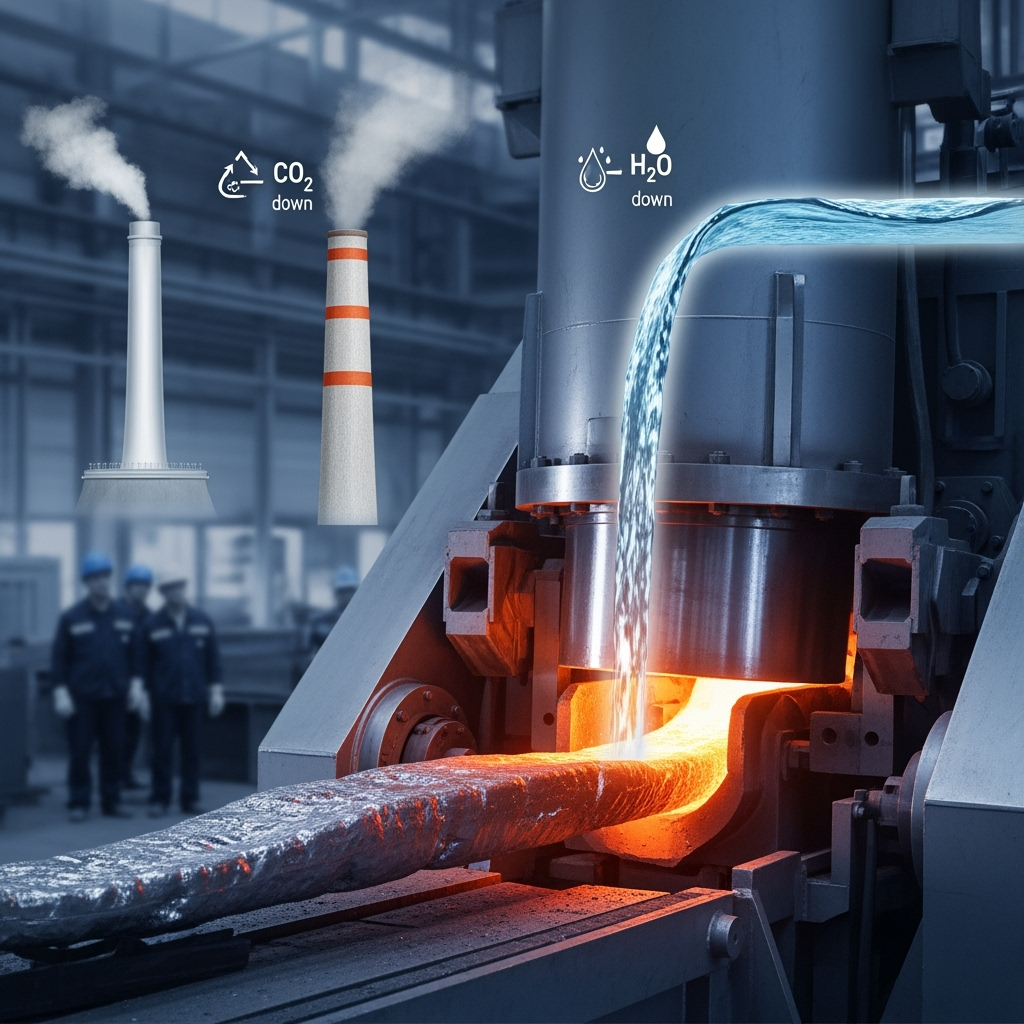
Recycling and scrap are crucial in reducing carbon emissions, industry leaders stated on Wednesday.
“The steel industry, producing 1.9 billion tons annually, is one of the most significant global industries, contributing 8% of total emissions. Reducing these emissions could be transformative. Currently, recycled steel accounts for only 30% of production. Increasing this to 60% or 90% would significantly impact the climate and enhance lives,” said Deepak Bhandari, chief commercial officer at Arabian Gulf Steel Industries (AGSI).
Stay updated with the latest news by following KT on WhatsApp Channels.
Bhandari emphasized that recycling aids global governments in achieving climate goals in sectors like renewable energy, sustainable cities, and electric vehicles, which depend on steel. “Using recycled steel amplifies the climate benefits of these products. The steel industry is undeniably a pillar of circularity,” Bhandari asserted during the Journey to Net Zero – UAE 2025 conference.
Hosted by the UAE’s first English daily, Khaleej Times, this premier climate action conference attracted senior public and private sector leaders. The fourth edition offered insights into regulatory frameworks, green financing, and ESG compliance.
Dr. Jasminka Jaksic, sustainability lead at Emirates Global Aluminium (EGA), participated in a fireside chat on “Blueprint for a Regenerative UAE – Driving Circularity and Energy Intelligence.”
Jaksic highlighted that scrap is a valuable resource, not waste.
Bhandari further noted the substantial impact of recycling steel, saving 1.5 metric tons of CO2 emissions for each ton recycled and conserving up to 75% of energy when producing steel from ore.
Reducing Water Waste
In another discussion titled “Invisible Infrastructure, Visible Value – From Leaks to Leadership,” experts explored reducing water waste and the retail sector’s role.
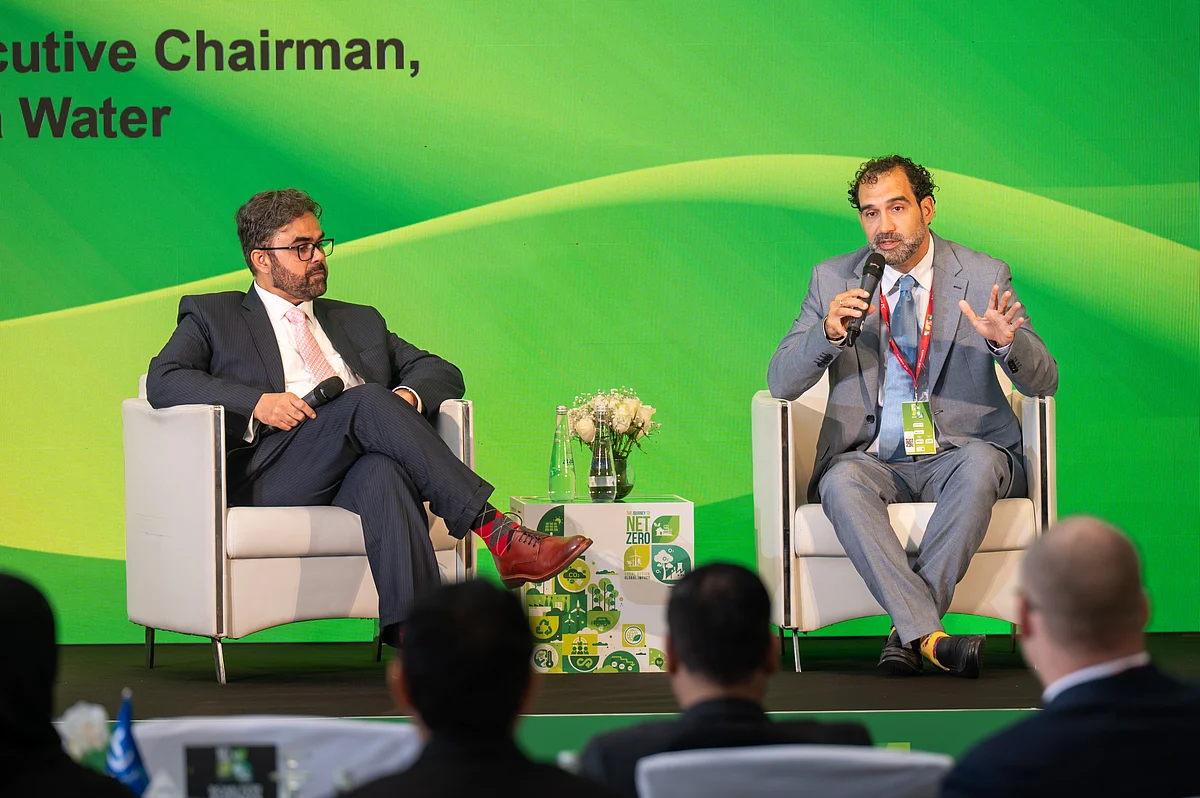
Yasir Ahmed, partner and climate change and sustainability services leader at EY Mena, emphasized the importance of brands in addressing global environmental challenges.
“Water and energy are interconnected in the economy, interacting daily. On average, 30% to 50% of the water pumped into utilities is lost before reaching consumers due to unmaintained networks and resource mismanagement. We often take water for granted,” said Noam Komy, executive chairman of Miya Water.
“Living in the Middle East, where water is scarce, we see the immense social and economic impacts of water waste,” he added, pointing out the invisible yet significant value of water infrastructure.