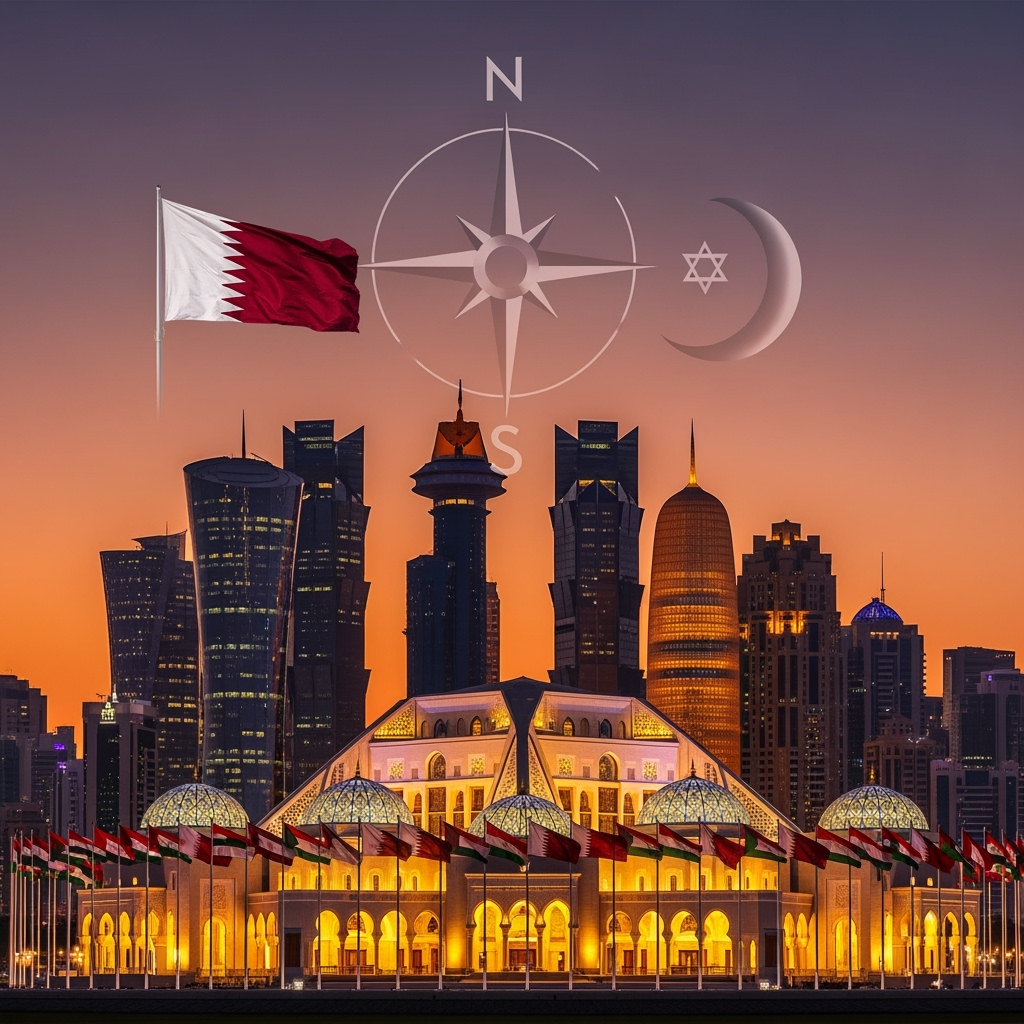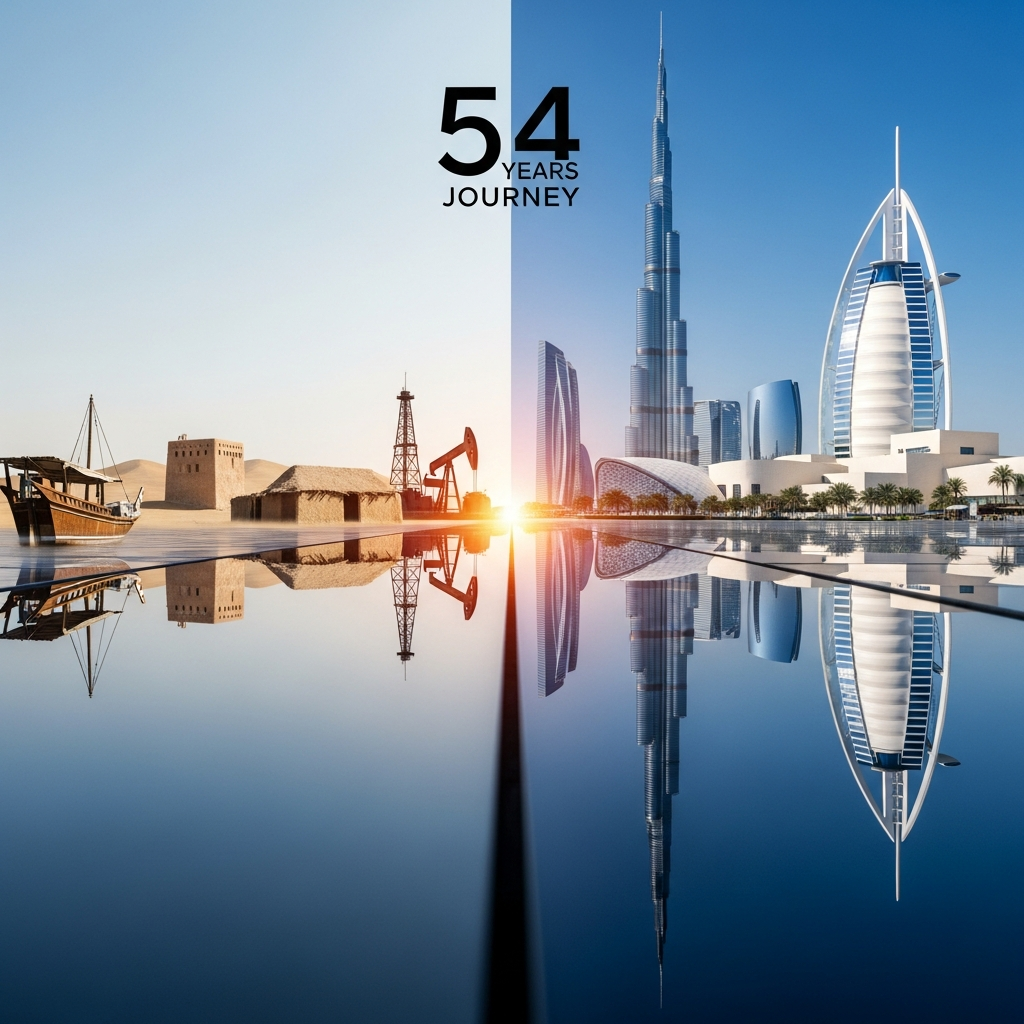
With immense pride and joy, I pen my thoughts on the UAE’s 54th National Day—a tradition I’ve cherished with the Khaleej Times for years. This day marks the extraordinary unification of the seven emirates into one nation, a milestone that represents unity, resilience, and collective progress. It honors the visionary leadership of the founding fathers, led by Sheikh Zayed bin Sultan Al Nahyan, who transformed a group of emirates into a modern federation. This day is not just a holiday; it is a testament to the Spirit of the Union, reminding us that collective strength and collaboration are the UAE’s success foundation.
I’ve often remarked that the UAE is one of the few places where progress is visible in real-time. When I first arrived over three decades ago, the nation was in the early stages of shaping its modern identity. The skylines, highways, and communities we see now were mere plans. Construction sites were bustling, but on a smaller scale, and the ambitions were just beginning to unfold.
Even then, the UAE was different. One could sense a clear direction and purpose. Roads were being laid, utilities expanded, and new neighborhoods took shape. It was a young nation heavily investing in its future, and I was fortunate to witness the initial steps that would reshape the region.
The Early Evolution
The 1990s focused on strengthening the basics—infrastructure, civic facilities, and connectivity. The period was practical and steady for the industry, with each project reinforcing the country’s foundation.
By the early 2000s, development accelerated. The Marina, the Palm Jumeirah, major highways, and high-rises changed the industry’s dynamics. Construction became ambitious and globally recognized, setting new standards for scale, speed, and design. This era reshaped global perceptions of the region.
The 2010s brought another shift with developers focusing on lifestyle, long-term planning, and community living. Master-planned developments, branded residences, and sustainability became mainstream, incorporating green building principles, energy-efficient designs, and smarter amenities.
Today, in the 2020s, we see another transition. Cities are planned around digital systems, clean energy, and integrated mobility. Construction extends beyond physical structures to include technology, data, and sustainability.
The Current Landscape: A Sector That Continues to Grow
The UAE’s construction industry remains robust. Recent reports show total construction output reached US$107.2 billion in 2024, with projections suggesting growth to US$130.8 billion by 2029, driven by residential demand, tourism, infrastructure investments, and urban projects.
The broader construction market, encompassing commercial, residential, industrial, and infrastructure projects, was valued at approximately US$66.9 billion in 2024 and is expected to grow to US$96 billion by 2030. This growth solidifies the UAE’s status as a leading construction hub.
Real estate continues to drive growth. In 2025, one emirate recorded Dh498.8 billion in property transactions in the first nine months. High transaction volumes, strong investor confidence, and consistent demand for new communities indicate a healthy, resilient market.
For those in the building ecosystem, these figures reflect opportunities, long-term stability, and continued momentum.
ESPA’s Role in a Growing Market
As Managing Director for ESPA in the MENA and APAC regions, I’ve witnessed our operations evolve alongside the UAE’s growth. ESPA has supported numerous residential and commercial buildings with advanced water-management systems, from villas and mid-rise structures to large towers and mixed-use developments.
Our consistent approach—strong technical support, reliable systems, fair pricing, and dependable after-sales service—has built trust with consultants, developers, and contractors. As buildings became more complex, reliability became essential in systems and long-term maintenance.
Being part of this country’s development story has shaped our work and innovation.
Looking Ahead: Shaping the Next Phase
The next phase of the UAE’s construction sector will be shaped by clear trends. Smart systems will play a larger role as buildings become more digitally managed and automated. Sustainability will remain a priority, with the UAE’s clean-energy and net-zero goals driving demand for energy-efficient solutions. Modular and prefabricated construction will grow as developers seek faster, more efficient project delivery. Major national projects, from the Dubai Metro Blue Line to Etihad Rail and new city districts, will continue to create large-scale opportunities across industries.
For ESPA, these trends open doors to advanced, efficient solutions. We focus on energy-saving systems, improved monitoring technologies, and equipment designed for the next generation of buildings.
Growing with the Nation
After 32 years in the UAE, I’ve witnessed the country advance faster than almost anywhere else. Each phase brought new goals, approached with determination and purpose.
ESPA has grown alongside this progress. The UAE has shaped how we work, innovate, and contribute across sectors.
As the country advances toward a sustainable, tech-driven future, I’m proud we support its vision. On this UAE National Day, I hope the nation continues to grow with the same unity and forward-thinking mindset that has guided it from the start.
— Dr Neelivethil Rajeev is the Managing Director at ESPA for MENA and APAC, a Spanish group predominantly in the MEP/HVAC sector. He has been with the brand since its inception over three decades ago.