Recently, I had the opportunity to stay at one of Dubai’s latest sophisticated hotels. The design was exquisite, with meticulous attention to detail and evident care in its creation. However, as I settled into my suite, I found myself pondering: for whom was this space truly intended?
The layout lacked instinctiveness and didn’t exude a feminine touch.
The room missed the tactile and textural elements that stir emotions—softness, tranquility, curiosity, joy. It wasn’t conducive to seamless daily rituals, although I did appreciate the thoughtful placement of the hairdryer plug near the mirror—a rarity many women would understand. It was a small yet significant detail, indicating someone had considered a woman’s perspective, but not entirely.
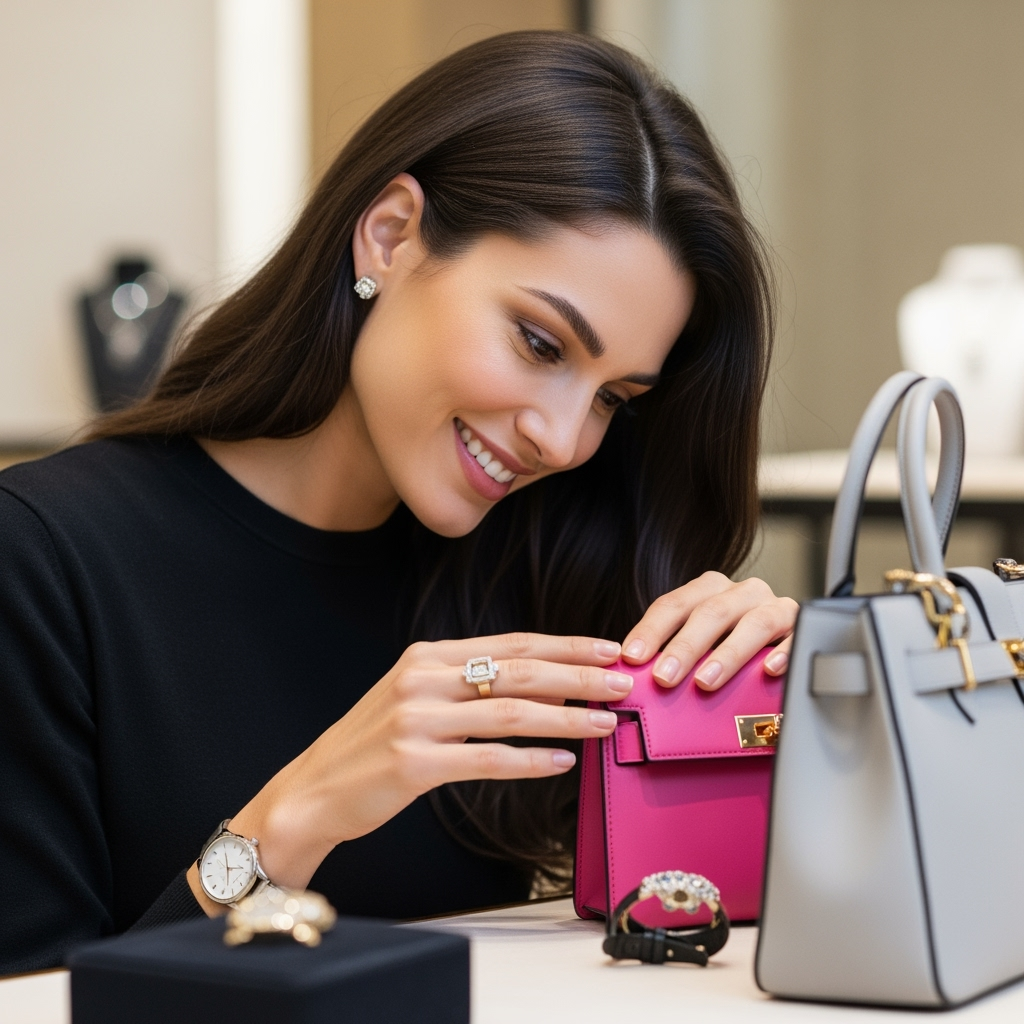
This experience prompted me to reflect on the female luxury experience, which is often underestimated. In a world where women significantly influence luxury spending, why do so many products and environments still feel impersonal?
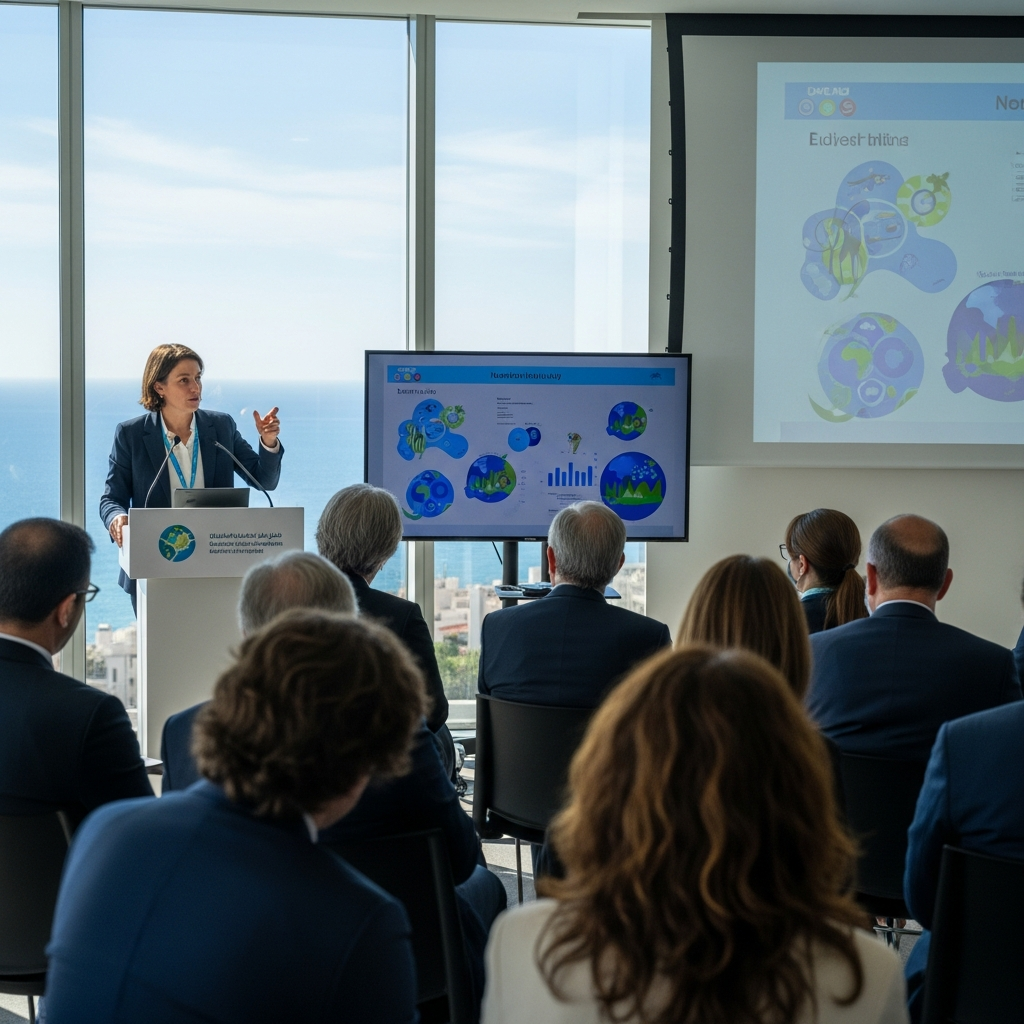
This question became the focal point of our recent Women Connecting the World of Luxury roundtable in Dubai, where I engaged with an inspiring group of female leaders from the UAE’s luxury sector: “What does luxury mean for women today?”
We discovered that luxury for women transcends visual appeal; it’s about emotional resonance. The seamless transition from one moment to the next, the comfort that makes you reluctant to leave, and the joy of simplified rituals. Women desire spaces that understand the purpose and company of their solitary travels.
Designing With—not Just For—Women
Pallavi Dean, founder of the esteemed Dubai-based design studio ROAR, encapsulated it perfectly: true emotional intelligence in design is still a rarity. It’s not just about aesthetics like pink versus grey; it’s about intent and sensory nuances. Where is the light? Where is the privacy? Is there a spot to rest a handbag or arrange skincare products? The details we notice—and miss—differ.
Our recent research with FINN Partners across the GCC supports this: affluent travelers, particularly women, seek experiences that are rejuvenating, culturally immersive, and emotionally engaging. Today’s buzzwords aren’t “exclusivity”; they are “connection,” “wellness,” and “intention.”
Yet, upon entering many luxury spaces today, what do we find? Bland interiors, cold marble lobbies, and minimalism that forgets to be human. Where is the texture? Where is the storytelling? Where is the understated elegance that invites relaxation?
“Female-friendly” doesn’t have to mean pastel or performative; it should be emotionally aware. Can I relax here? Do I feel safe? Is the space welcoming or alienating?
One roundtable participant said it best: “True luxury is not having to explain what you need. The space already knows.”
That’s the type of design we need more of. What excites me is witnessing these sensibilities in Beverly Hills. Many of the most inspiring new openings consider female sensibilities—from wellness clinics to art spaces and boutique experiences designed with emotional intelligence rather than spectacle. I am eager to support and promote these narratives, not only because they resonate with women but because they represent the future direction of luxury itself.
Quiet Influence, Deep Impact
In many parts of the Middle East, women are influencing decisions around travel, wellness, and lifestyle with clarity and confidence—often behind the scenes.
When a woman endorses a brand or shares a moving space with those who trust her judgment, it leaves a lasting impression. It shapes perceptions in ways no billboard ever could.
Recognizing and respecting that influence means creating experiences that feel generous, not transactional. Spaces that accommodate memory, connection, and care.
Craft, Culture, and Connection
When asked what today’s female traveler truly values, the answers were clear. They seek beauty beyond the surface—craftsmanship with a narrative, immersive experiences, and design that is thoughtful and rich in sensory detail.
One panelist noted: “They don’t want to be in the hotel ballroom. They desire lunch with a Saudi woman in her home.” That image lingered, for it encapsulates our current desires: authenticity, intimacy, and the feeling that luxury is something heartfelt, not just Instagrammable.
The Feminine Future of Luxury
The future of luxury resides in spaces that understand individuals—not just their demographics, but their emotions, cultures, and stories. This means posing better questions: How does a space make you feel? Is it comforting? Beautiful in an understated way? Does it care?
For me, that’s the standard in Beverly Hills.
This isn’t about replacing masculine concepts of luxury. It’s about broadening the definition to encompass softness, stillness, and intuition—not as afterthoughts, but as core design principles.
And sometimes, it starts with the smallest detail—like ensuring the plug is precisely where it needs to be.