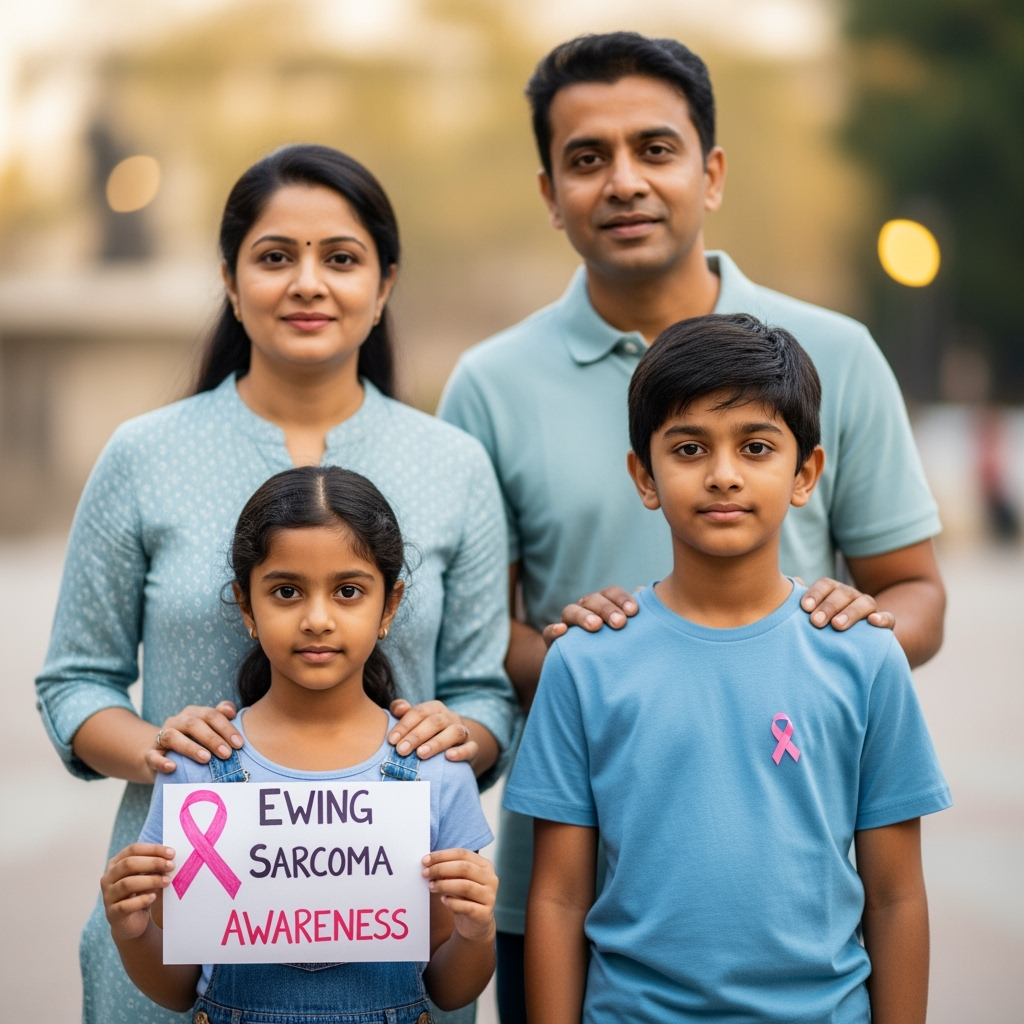
In the UAE, an Indian expat family is striving to raise awareness about a rare type of cancer after their teenage son succumbed to Ewing Sarcoma earlier this year. Asad Rashid received his diagnosis in 2021, just two weeks shy of his 16th birthday.
Asad fought the cancer for three years before passing away on June 8, 2025, merely three days after celebrating his 20th birthday with his family. On June 5, when his mother asked what he was thankful for, he replied, “having this whole family.”
This moment deeply resonated with his sister, Tamana Rashid, who has since committed herself to embodying her brother’s optimism during challenging times. She expressed, “amidst the grief, I’ve been clinging to the strength and courage he demonstrated throughout his journey.”
Stay updated with the latest news. Follow KT on WhatsApp Channels.
Khaleej Times consulted doctors to shed light on the occurrence and symptoms of this cancer type.
Ewing Sarcoma typically begins in the bones or nearby soft tissues. “It mainly affects children, teenagers, and young adults between 10 and 20 years old, and is slightly more prevalent in boys,” stated Dr. Zainul Aabideen, consultant and head of Pediatric Hematology, Oncology, and BMT at Burjeel Medical City.
The disease is classified as a “rare cancer,” affecting approximately 1 to 3 children and young adults per million annually worldwide, according to Dr. Afsal Muhammed, a surgical oncology specialist at Aster Hospital.
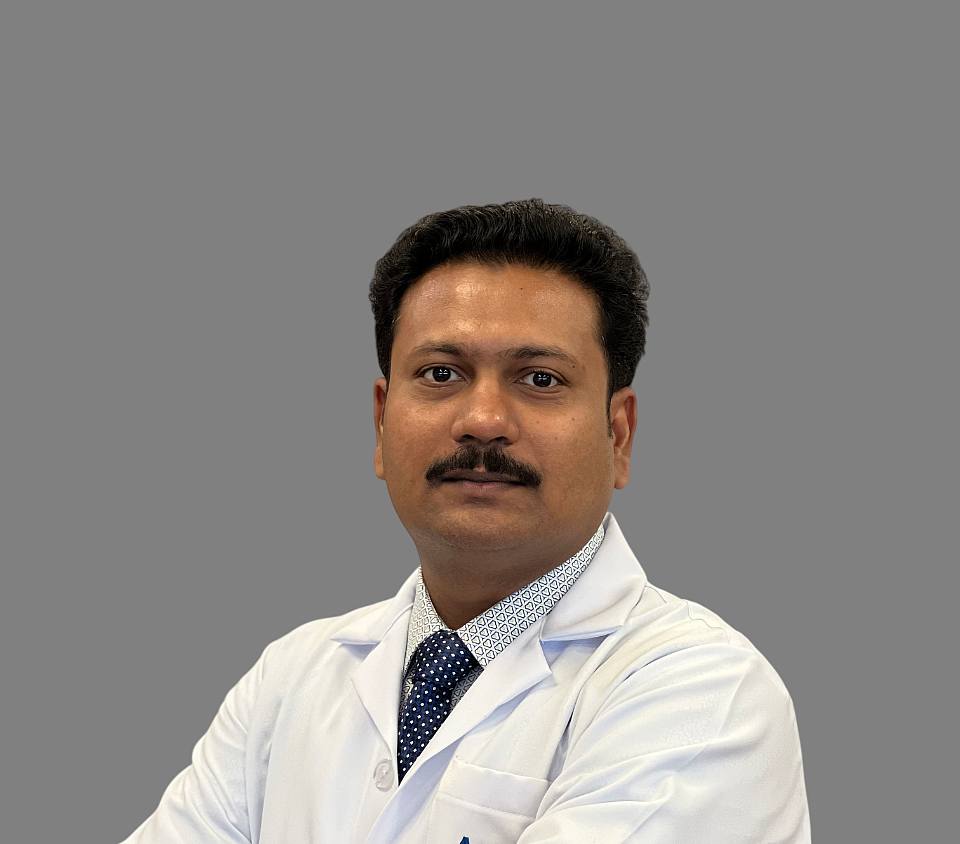
Dr Afsal
He noted that “no known vaccines or specific medicines exist to prevent Ewing Sarcoma.” Without a clear understanding of its cause, it isn’t considered preventable through lifestyle changes, making awareness the most proactive step, Dr. Afsal added.
According to Tamana, Asad exhibited no symptoms until the cancer reached stage three, when he discovered a large lump on his arm, which grew rapidly.
Dr. Zainul explained, “if the cancer hasn’t spread, about 70 out of 100 children survive post-treatment. However, if it has spread, the survival rate drops to about 20 to 30 percent.”

Dr Zainul
Recognizing the importance of early detection, Tamana chose to spread awareness and help people identify Ewing Sarcoma symptoms.
Dr. Zainul noted that children might experience pain, swelling, or trouble moving a limb. Consulting a doctor is crucial, as they can confirm the diagnosis using X-rays, MRI, CT scans, and a biopsy.
The most common initial signs include “persistent pain, swelling, or tenderness near a bone, which might sometimes be mistaken for a sports injury,” Dr. Afsal mentioned.
“A lump might be felt, and in some cases, fever may occur. If such symptoms persist for several weeks, consulting a doctor is vital,” he added.
The rare disease often starts in long bones, like the thigh, leg, or arm, but can also affect the pelvis, ribs, or chest wall. The cancer may spread to the lungs, bone marrow, or other bones, Dr. Zainul mentioned.
Tamana remembered Asad’s quest for answers post-diagnosis. Despite the family’s decision to withhold his cancer diagnosis, Asad independently researched and discovered his condition.
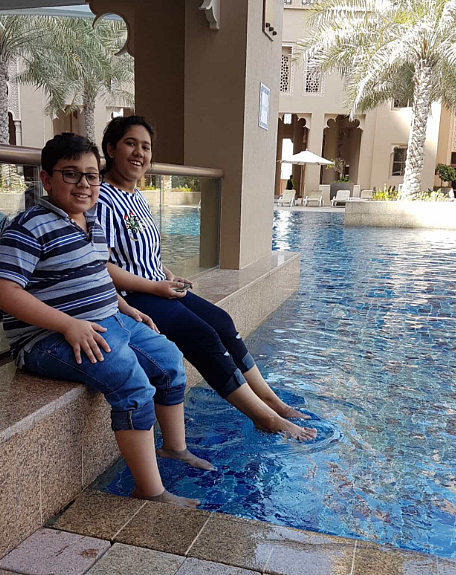
Asad and Tamana as kids
“What impressed us most was his fearlessness toward the word ‘cancer’—he understood it meant a lifetime of treatment, yet faced it with remarkable strength and wisdom. Asad would say: ‘Cancer isn’t bad; it connects people,'” Tamana shared.
Asad led his life like any other teenager; he learned chess and driving. Though his illness limited his physical abilities, “cancer never seemed to stop him from pursuing his passions,” his sister noted.
“When our aunt sent him supermarket pictures asking if he wanted anything, he mentioned missing the aisle colors. He even requested friends to send photos of places they visited, as despite being unable to go out, he wanted to experience the world through them,” Tamana added.
Some friends learned of his illness only after his death, as Asad didn’t want cancer to “define his identity”; he intended to tell them only once he was cured.
The family plans to launch a foundation in Asad’s name to support sarcoma research, as the disease can be easily mistaken for minor issues like fever or tenderness.
Asad’s aunt is penning a book to share his story, while his sister aims to raise awareness by sharing his journey through various platforms.
Treatment for Ewing Sarcoma
Dr. Afsal explained that treatment involves a multimodal approach, typically including:
-
Chemotherapy: Initially used to shrink the tumor (neoadjuvant) and post-surgery to kill any remaining cancer cells (adjuvant).
-
Surgery: The main goal is to remove the entire tumor while preserving limb function, thanks to advanced limb-salvage surgical techniques.
-
Radiation Therapy: Precisely targets and destroys cancer cells, especially when surgery isn’t viable.
A multidisciplinary team always tailors the treatment plan to the individual patient, he added.