Entering a supermarket today reveals more than just prices and labels. Companies now showcase their values: using recycled packaging, fair-trade sourcing, reducing carbon footprints, and supporting local communities. In coffee shops, signs highlight partnerships with farmers, while car showrooms emphasize emissions alongside horsepower. Responsibility is increasingly a product that companies offer.
Why customers care
This change is driven by consumer demand. Research indicates that two-thirds of consumers are willing to pay more for sustainable brands, with sustainability being the second most significant factor in customer loyalty after product quality. In essence, responsibility influences purchasing decisions.
Consumers don’t expect perfection from companies; they understand the profit motive. However, they appreciate efforts like retailers reducing plastic use, coffee chains supporting farmers, or tech companies implementing recycling programs. These actions contribute to the brand story, influencing consumer choice.
Why employees care
The same expectations apply within companies. Nearly 40% of millennial employees consider a company’s social impact a major factor in job selection. In competitive job markets, this is crucial. While salaries and benefits remain important, employees also seek pride in their workplace, aligning with their values.
CSR and sustainability programs are vital both externally and internally. Initiatives like volunteering days, community drives, and environmental projects offer employees a sense of participating in something larger. This pride boosts retention, motivation, and productivity, ultimately enhancing performance.
Why companies embrace it
Sustainability is not only a trend among consumers but also among companies. Consumers express values through product choices, and companies do so with climate goals and community programs. Responsibility is now a core part of strategy, affecting product design, supply chains, and financial aspects.
Consider Unilever. Its “sustainable living brands,” products linked to environmental or social purposes, have grown 46% faster than other lines and account for 70% of turnover growth.
For many, responsibility equates to resilience. Firms investing in cleaner operations or local partnerships are less susceptible to regulatory or financial disruptions. They adapt more quickly to change due to embedded sustainability. Financial markets also respond positively, with banks offering sustainability-linked loans that reward environmental and social achievements.
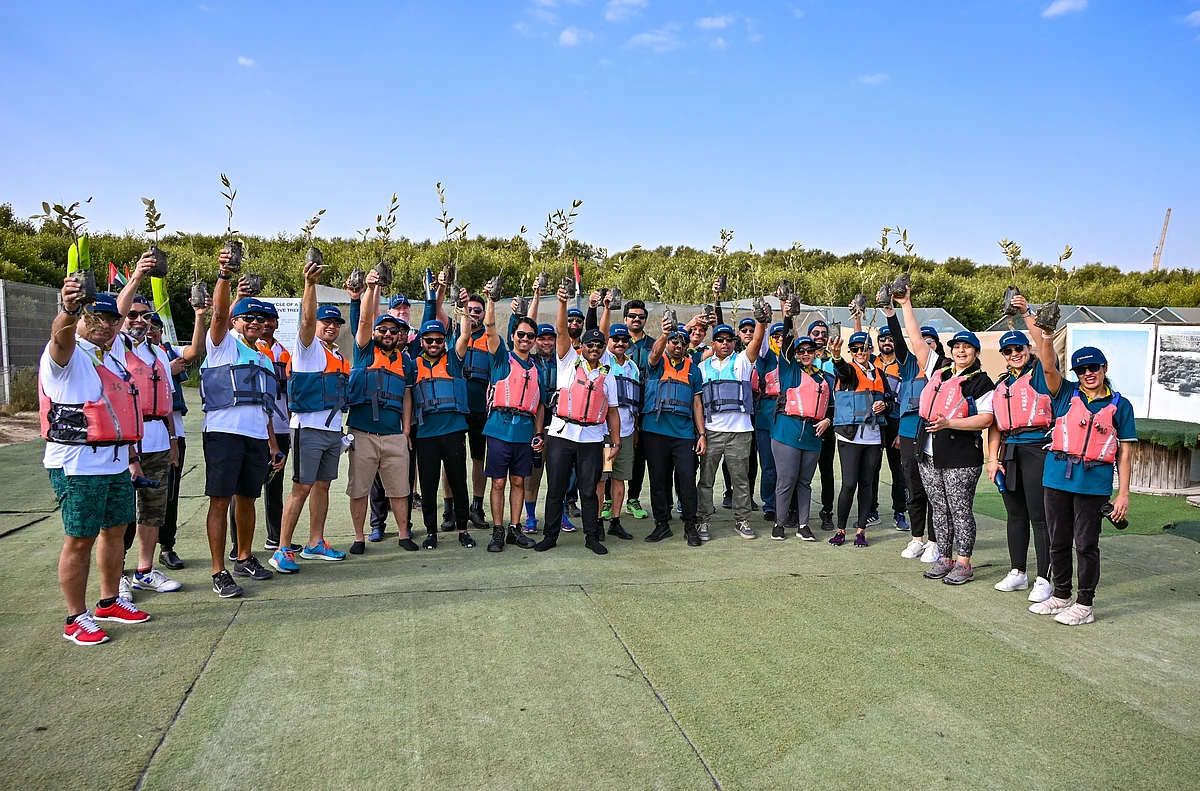
At Galadari Brothers, I’ve been deeply involved in CSR and sustainability efforts. In 2025, we sponsored 10,000 mangrove tree plantings in the UAE, led beach clean-ups, and encouraged employee participation in Ramadan donation campaigns. We also secured sustainability-linked and green loans for key projects, strengthening community ties, building employee pride, aligning with national goals, and enhancing long-term resilience.
The shape of modern business
Once seen as mere window dressing, CSR is now integral to how customers and employees view companies. Doing good isn’t a replacement for profitability; it’s a strategic way to sustain revenue. The twist in modern capitalism isn’t newfound altruism; it’s that responsibility has become a competitive edge. Doing good translates to good business.