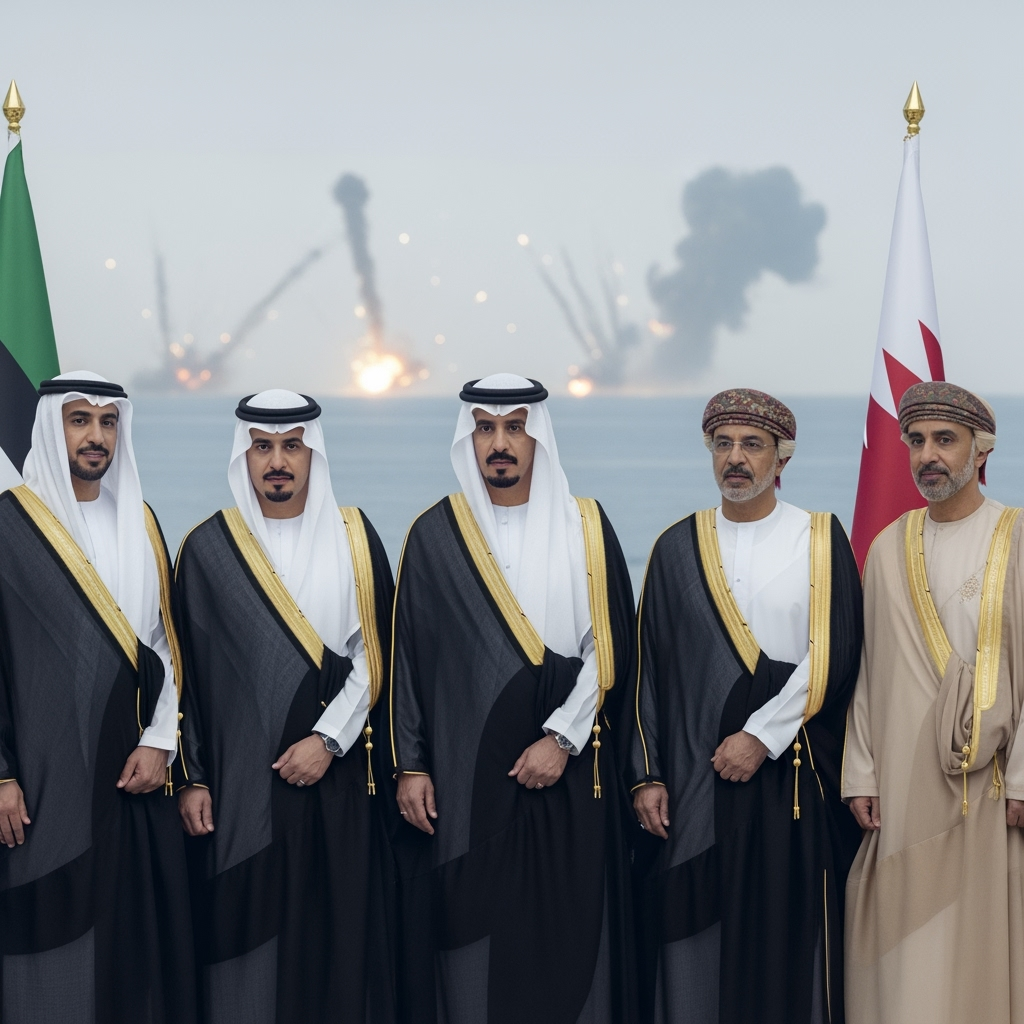
In a charged atmosphere brimming with enthusiasm for cultural art, the private rehearsal of Al-Zeer Salem showcased dynamic interactions, promising a majestic theatrical production that breathes life into a crucial Arab epic.
During backstage preparations, lighting setups, and performance trials, the team focused on delivering an immersive artistic experience that captures the essence of heritage and the narrative’s spirit, evoking historical tales filled with intense conflicts, bravery, and tribal loyalty.
Al-Zeer Salem returns to the stage to rekindle one of the legendary Arab epics centered on loyalty, courage, and revenge, inspired by the poet and knight Abu Layla Al-Muhallal, known as Al-Zeer Salem, who fought the Basus War to avenge his brother, Kaleeb. The play intertwines the richness of heritage with the potency of storytelling, posing modern questions about the futility of conflict and the essence of forgiveness, providing audiences with a unique theatrical journey that merges entertainment with significant human values.
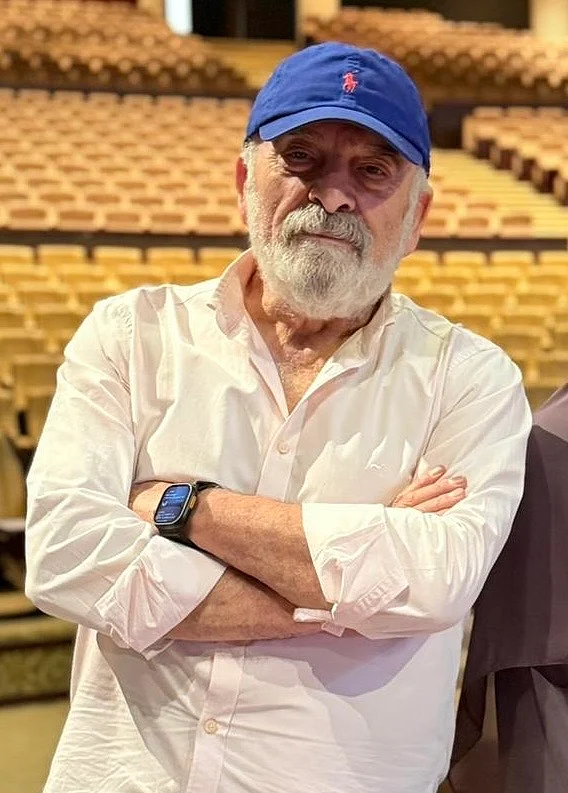
Sloum Haddad
During an exclusive backstage tour, City Times conversed with director Sloum Haddad, who stated that the revival of Al-Zeer Salem comes 25 years after the famed TV adaptation. He mentioned that Local Media Company embraced the project in a theatrical form that combines the closeness of theatre with the essence of television.
Preserving the original essence
Haddad explained that each art form has specific conditions for success, and the challenge lies in maintaining the original work’s essence while presenting it in a contemporary theatrical language. He stressed his goal was to achieve a fully cohesive production, with precise music and robust acting performances. He also highlighted that this marks his debut in theatrical direction, yet he is committed to ensuring the play stands out and is worthy of theatre audiences.
Actor Abed Fahd noted that the standout feature of this production is its commemorative nature, celebrating the revival of the renowned TV work The Basus War — Al-Zeer Salem after several years, marking its silver jubilee. Fahd expressed his delight in collaborating with Sloum Haddad, recalling their teamwork a quarter-century ago on a script by the late Munther Adoun, and also honoring the late director Hatem Ali.
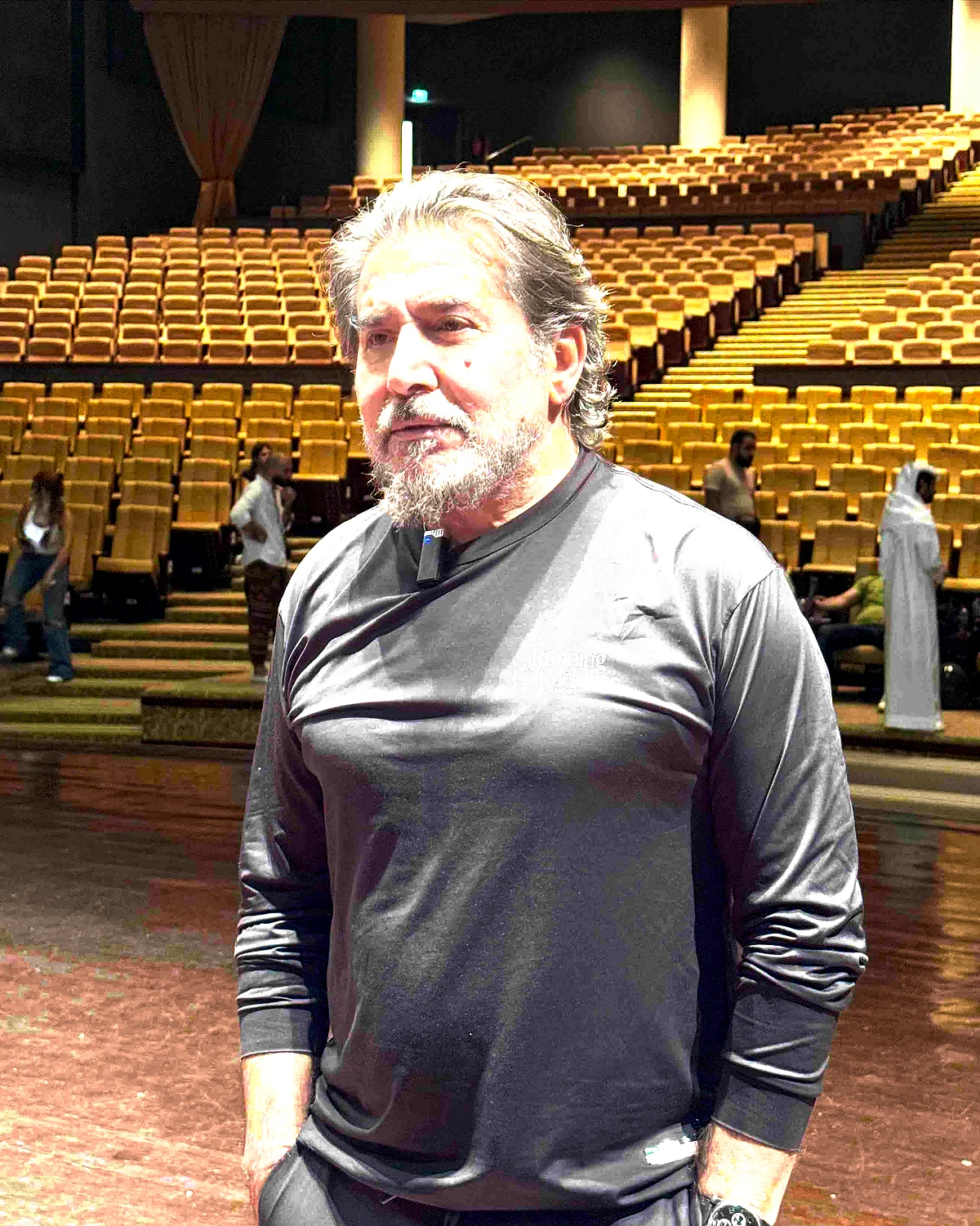
Abed Fahd
Fahd added that returning to the theatre is an adventure and a revitalization, distancing from the monotony of certain TV works. He remarked that the script is precise, delivering a concentrated theatrical performance that blends dramatic intensity with theatrical excitement on the Abu Dhabi National Theatre stage.
Actress Maryam Ali, portraying Jalila, explained that her character endures a profound personal struggle linked to the tribal feud between her tribe, Bakr, and her husband’s tribe. This conflict compels her to make tough choices, especially regarding her son, who grows up harboring revenge, while she strives to protect him and shape his future path.
She added that the play conveys a vital human message, presenting popular heritage through theatre and advocating for ending the bloodshed cycle, stressing that humans should live freely and with dignity, and that wars cannot perpetuate like an endless waterfall. She confirmed that the play condenses events compared to the 30-episode TV series, with some musical alterations and new details suitable for theatre, retaining the main characters to preserve the story’s heritage spirit.
Ibrahim Salem, the narrator, explained that his role bridges the timeline from Al-Zeer’s youth to his memory’s loss and recovery. He described working with veterans like Sloum Haddad, Abed Fahd, Maryam Ali, and Basel Yakhour as an incredible learning opportunity, where the seasoned actors’ vast experience aided young performers in achieving top professionalism. He emphasized that theatre remains a vibrant message to audiences, capable of influencing behavior and life paths, noting that theatre has existed for over 2,500 years and holds a significant cultural place, receiving substantial support in the UAE, especially from His Highness Sheikh Dr. Sultan bin Mohammed Al Qasimi for culture and theatre in Sharjah.
Emirati actress Amal Mohamed expressed her joy in being part of this grand epic, alongside her Syrian colleagues led by Sloum Haddad. She felt honored to play Zahra, Al-Zeer Salem’s sister, considering this role a valuable addition to her career after previous comedic and tragic theatre experiences. She emphasized that launching the play from Abu Dhabi adds a special touch to the production and prepares the audience to witness a piece worthy of the epic’s historical value, preserving its heritage and authenticity.
Actor Khaled Shabat noted that adapting the text from a TV work into a theatrical play represents a rich experience, especially since he has been following these characters for a quarter-century. He highlighted that the characters’ enduring presence in public consciousness places a great responsibility on actors to preserve their depth and richness, praising Sloum Haddad’s guidance, which provides crucial direction for each character. He added that the play is filled with numerous details and exciting events, placing the greatest responsibility on them to captivate the audience.
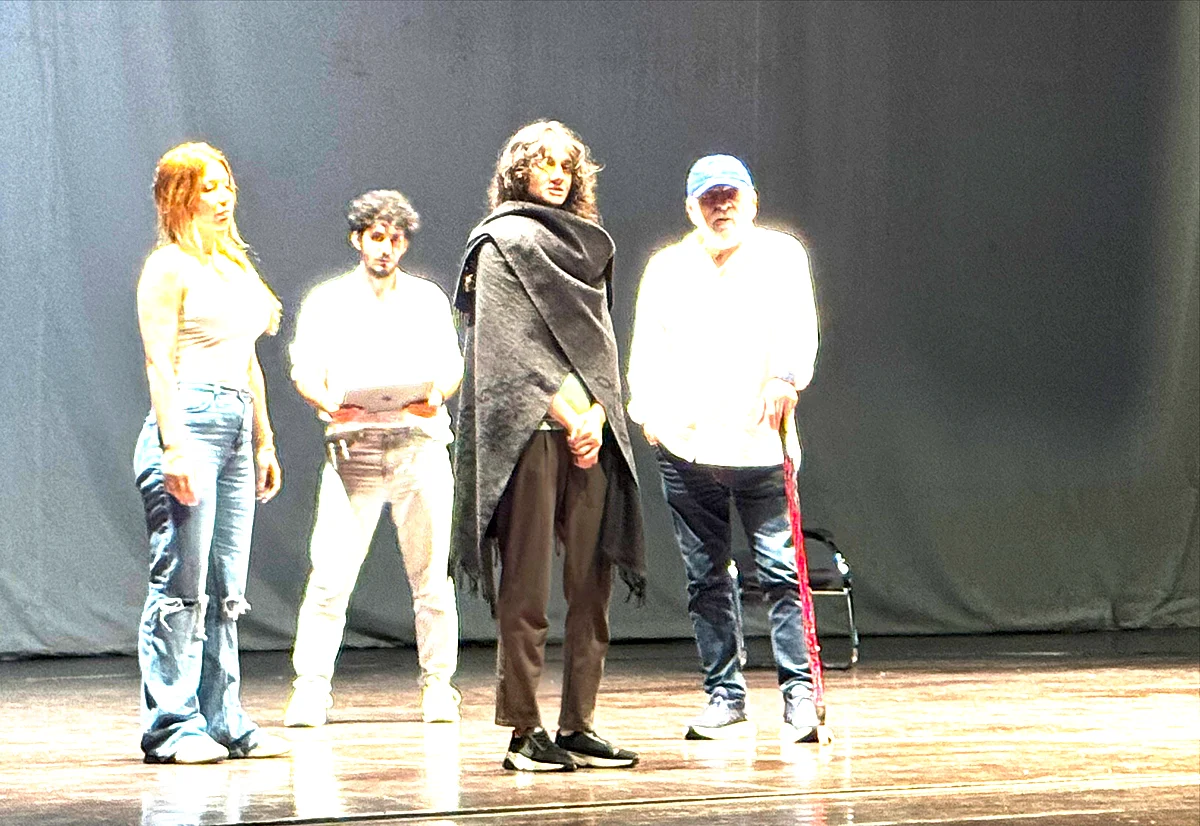
Rehearsal for ‘Al-Zeer Salem’
Al-Zeer Salem delivers an immersive artistic experience, returning to the original values, customs, and traditions of the Arab world, leveraging the power of performance, precise direction, and story depth. The play showcases the enduring influence of Arab heritage on stage, while delivering deep messages to modern audiences about courage, loyalty, forgiveness, and the importance of ending cycles of revenge and conflict.
With its debut at the Abu Dhabi National Theatre on October 3 and 4, Al-Zeer Salem offers a rich experience blending entertainment and education, heritage and present, providing audiences with a comprehensive theatrical performance that underscores art’s value in conveying and preserving folk tales for future generations. The play serves as a bridge between past and present, between human values and heritage that remain ever vibrant.