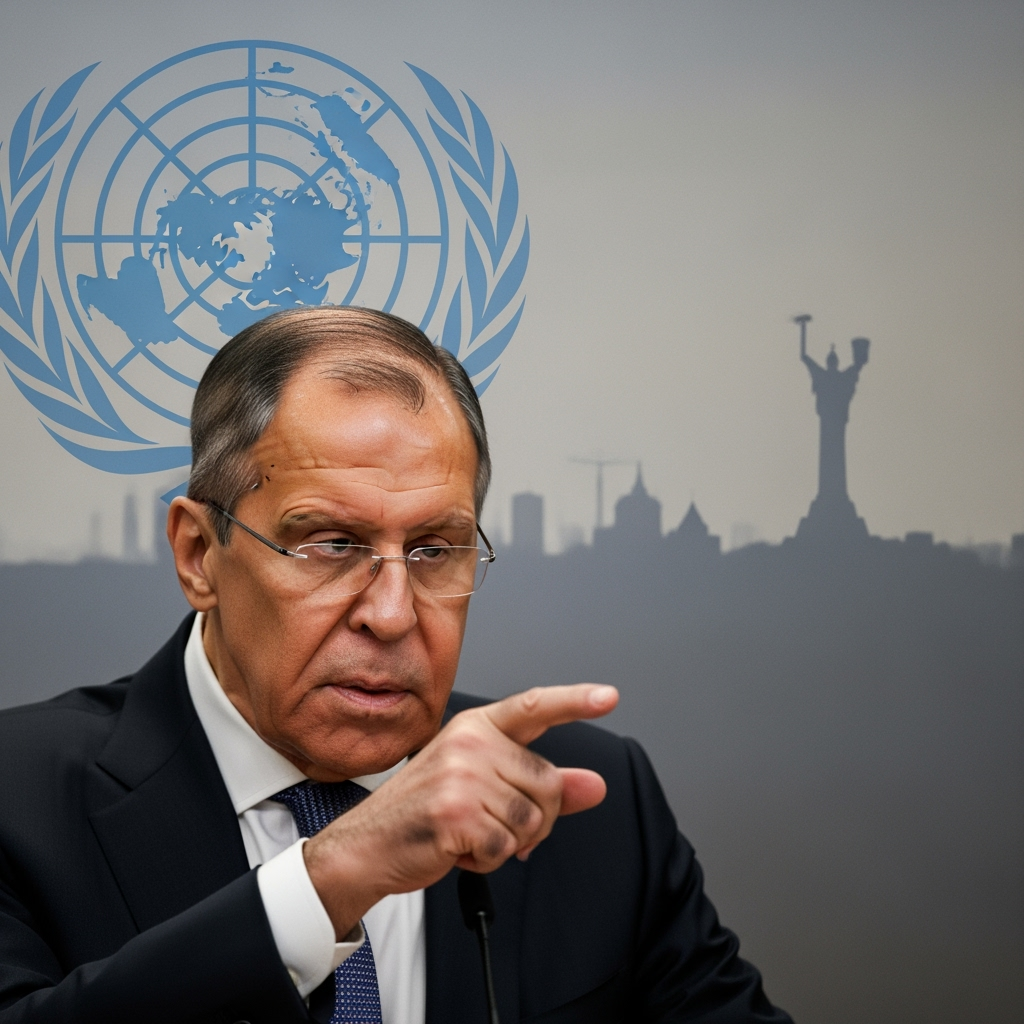
During a press conference, Nebenzya stated: “We will live in two parallel realities because the economic rebound happened for some, but not for us, and this poses a problem.” Russia does not recognize the legitimacy of re-imposing sanctions on Iran, which were lifted under the 2015 nuclear agreement. In contrast, Europe and the United States are convinced that the sanctions were re-imposed as part of the “snapback” process, which they claim occurred on September 28.
The First Deputy Permanent Representative of Russia to the United Nations, Dmitry Polyanskiy, noted, “Moscow’s position is that any sanctions will lose their significance with the expiration of UN Security Council Resolution 2231 on October 18.” In the same context, it was revealed today, Wednesday, that “Tehran had requested a meeting with the three European countries and US President’s envoy Steve Witkoff in New York, which was rejected.”
Mahrani added, “On the last night, we proposed delaying the trigger mechanism by 45 days, but the proposal was rejected,” continuing, “The government’s post-trigger mechanism plan is currently being finalized, and on Sunday, the new economic program will be presented to define the roles of the ministries in the current situation.”
The European “troika” (France, Britain, and Germany) re-imposed UN sanctions on September 28, based on the trigger mechanism, which was announced to be activated on August 28. The activation of the “trigger mechanism” means the application of sanctions imposed by the UN Security Council during the period from 2006 to 2010, which includes a ban on weapons, uranium enrichment and reprocessing, missile programs capable of carrying nuclear warheads, a prohibition on the transfer of technology and technical assistance, and a targeted global freeze on assets and travel bans on individuals and entities from Iran.