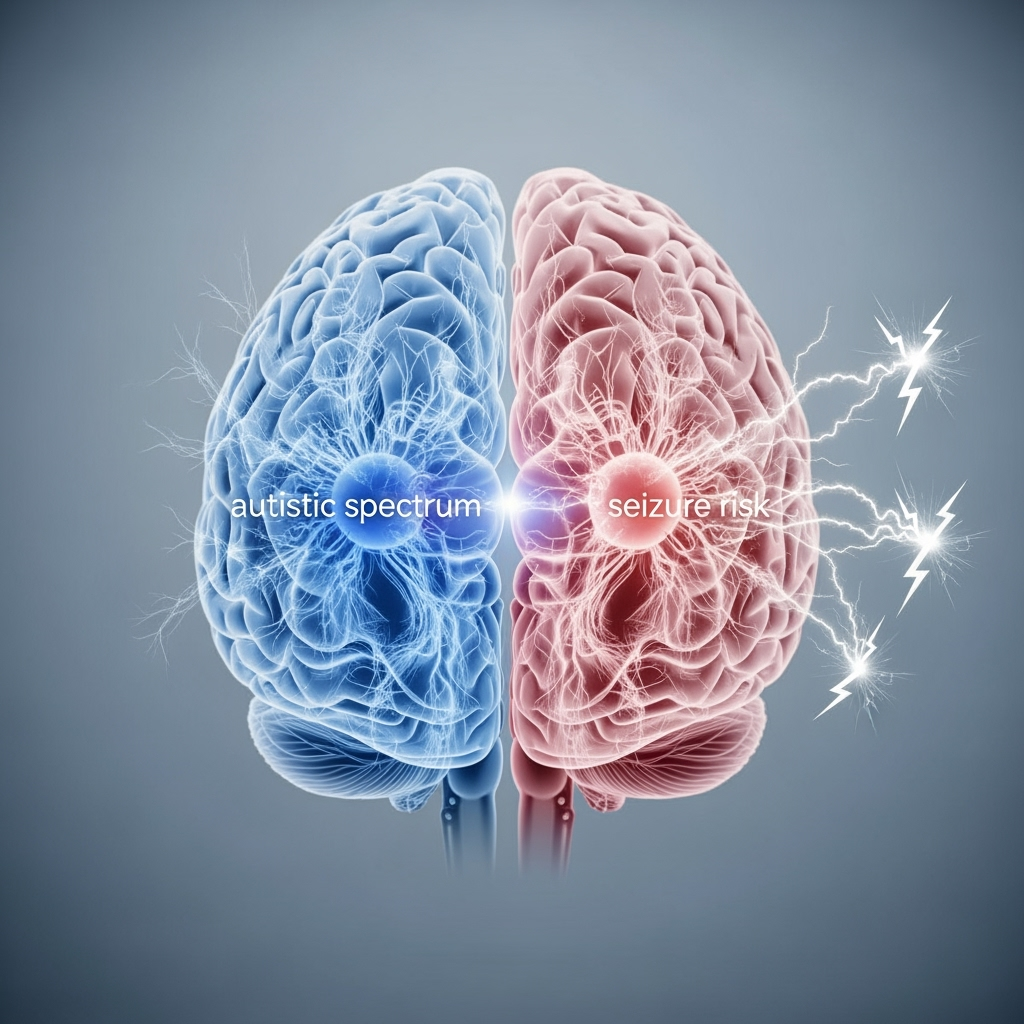
The study, published in the journal ‘Science Advances’, reported that researchers focused on the role of the reticular thalamic nucleus (RT), a region responsible for processing sensory information. Experiments on mice with mutations in the ‘CNTNAP2’ gene, associated with autism, showed hyperactivity in the neurons of this area, caused by strong currents in the ‘T’-type calcium channels. These symptoms included increased sensitivity to light and sound, repetitive behaviors, social communication difficulties, and increased risk of seizures.
The study indicated an overlap between the neurological processes associated with epilepsy and autism, explaining the 30-fold increased risk of seizures in individuals with autism compared to the general population. These seizures can lead to deterioration in cognitive functions, speech skills, and social interactions over time.
These findings represent a promising step towards developing new treatments for autism, with the potential use of drugs like ‘Z 944’ to alleviate symptoms associated with this disorder, offering hope for improving the quality of life for affected individuals.