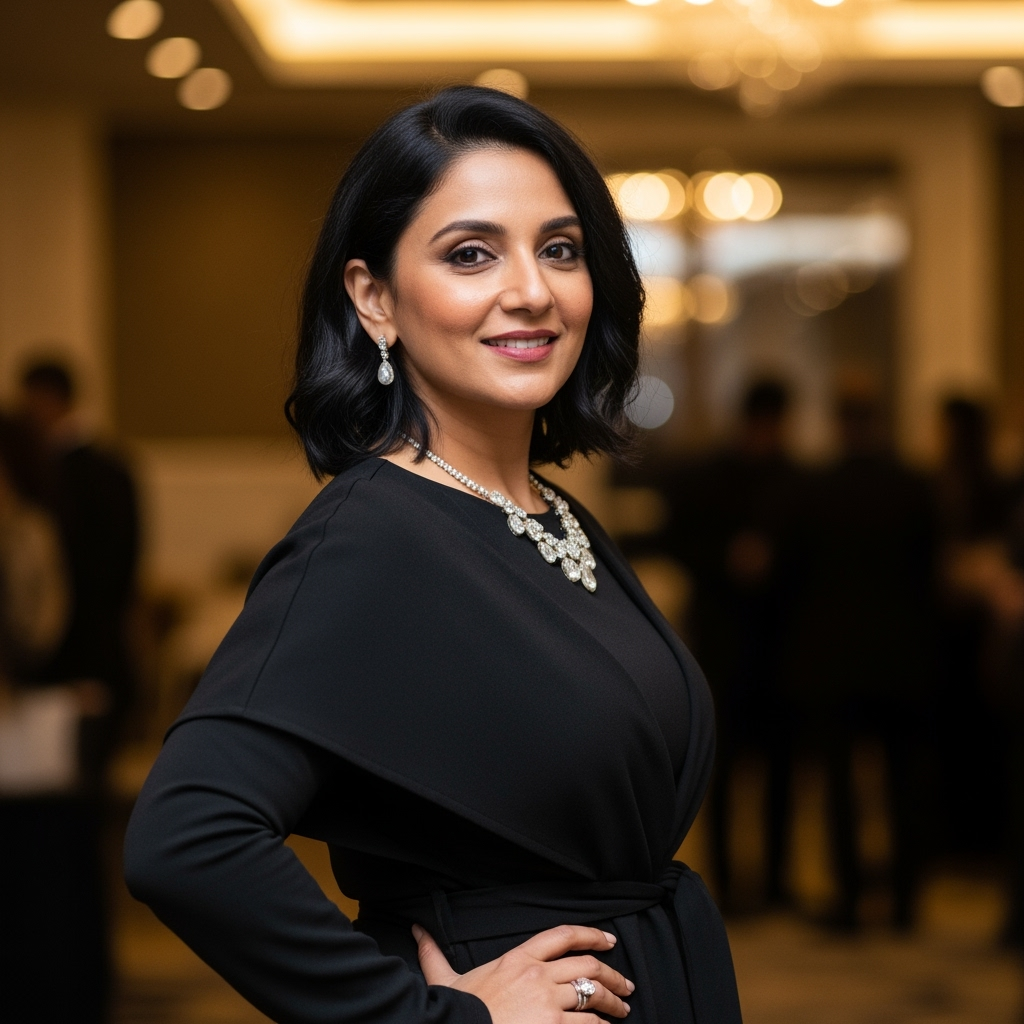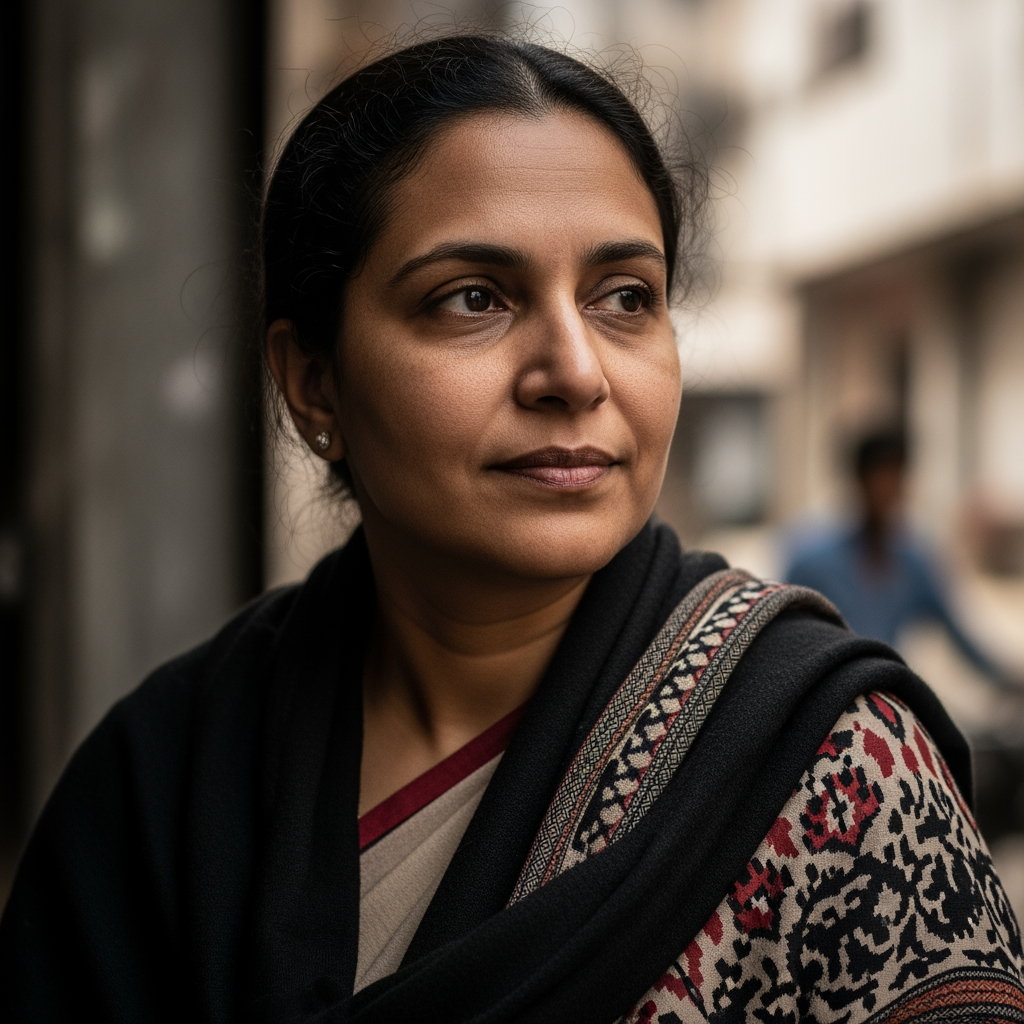
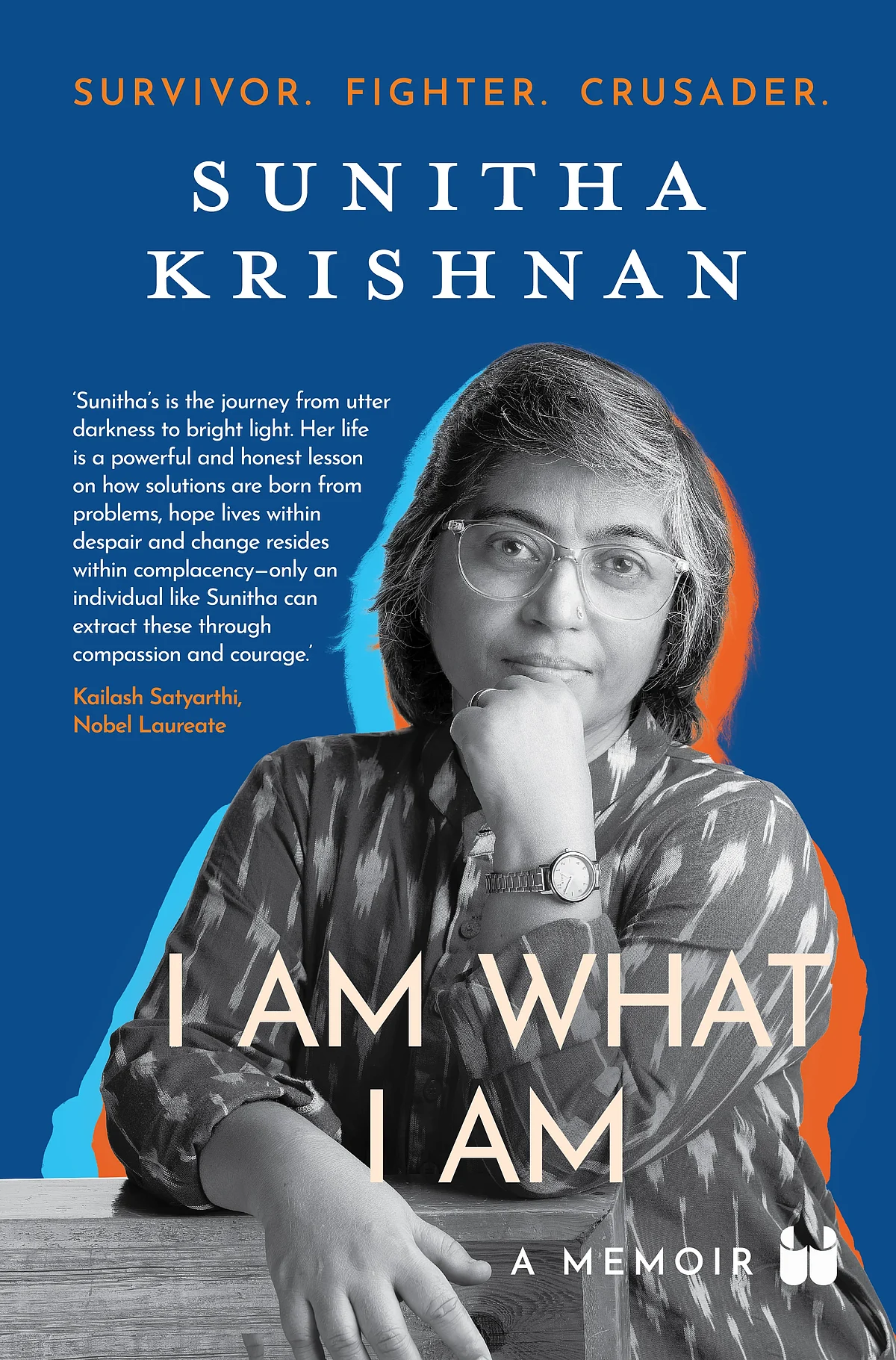
Choose between a life of comfort or courage. Padma Shri Sunitha Krishnan, an esteemed activist and author, embraced courage. Faced with global atrocities, you can either turn a blind eye or confront them head-on. Krishnan chose the latter, cementing her status as an irreplaceable icon. After years of advocacy against human trafficking, she donned a new role: author. Her life, filled with experiences beyond the ordinary, is now a compelling narrative.
Unbelievably, she penned her memoir in just 13 days. The book, “I am what I am,” recently clinched the Best International Book (Non-Fiction) award at the 2025 Sharjah International Book Fair. wknd. spoke with Sunitha Krishnan following her victory.
Highlights from the interview:
You described the Sharjah Book Fair award as “surreal.” Why is that?
Being recognized as an author was surreal. I’m known as an activist, not a writer. This accolade marked my first recognition purely for authorship. Receiving such honor internationally, especially in the Middle East, for a sensitive topic, was beyond my dreams.
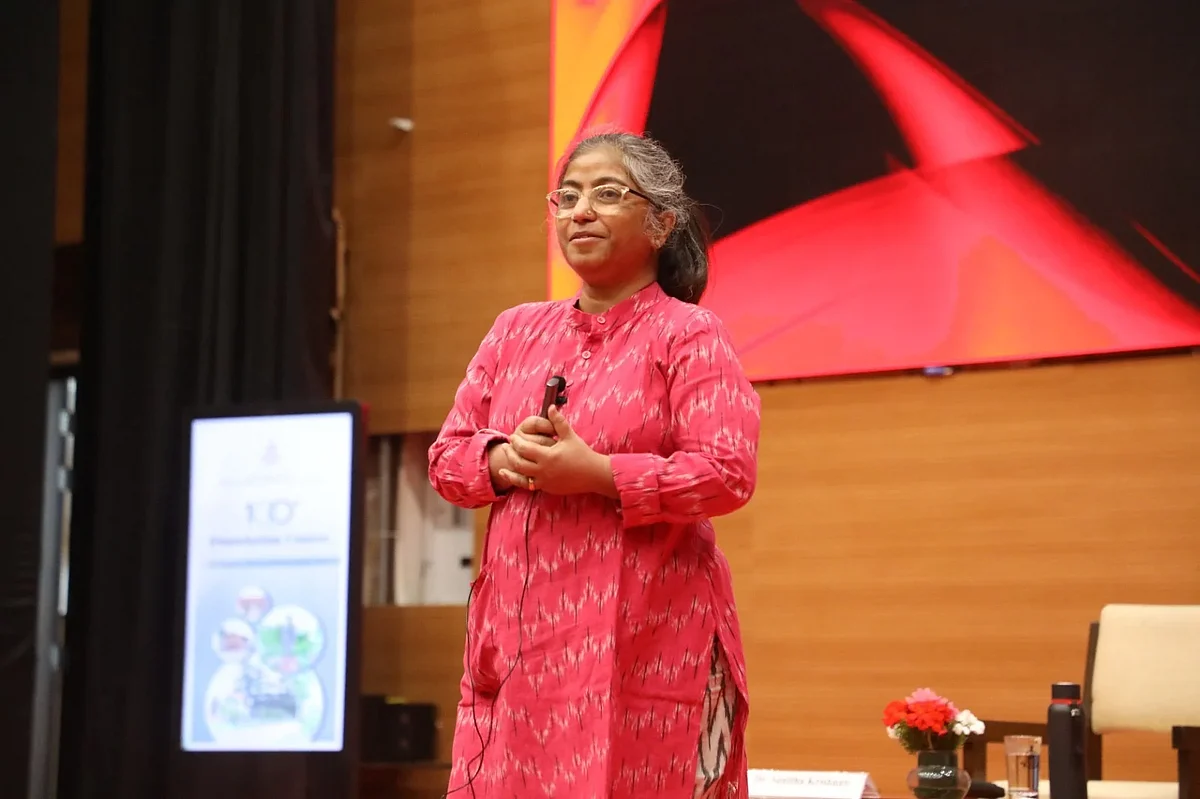
Why share your story now, after years of silence?
Two events prompted me. My father’s death in 2021 was pivotal. He’d always wanted to publish his autobiography, and we did so two months before his passing. At his memorial, people were amazed by his life. I realized I wanted to tell my story while alive. Secondly, a Bollywood producer claimed he scripted my biopic from “Googling” me, which startled me. I wanted to share my truth in my own words, not through others.
Writing the book in 13 days is remarkable. How was that?
I took a 13-day retreat, dedicating 14 hours daily to writing. It was challenging, both physically and emotionally. I crashed at one point due to overwhelming memories. Yet, completing it left me feeling lighter and grateful. The book transformed from bitterness to gratitude, revealing that every hardship shaped me positively, not diminishing me.
Gratitude towards those who harmed you?
Indeed. Each attempt to break me strengthened me, enhancing my resilience as a person and activist. Writing became a journey of gratitude, recognizing that even pain served a purpose.
Was revisiting the past emotionally taxing?
Extremely. Memories can be toxic, yet I needed to process them to infuse the book with hope, not anger. I wanted to show that transformation is possible even in darkness. Completing the book uplifted me, as if a lifelong burden was finally released.
Did you censor anything for readers?
The book is intentionally unfiltered. I omitted gruesome details of my own assault because they’re irrelevant now. What matters is the aftermath. However, I didn’t tone down stories of rescued children; people must grasp the harsh realities of sex slavery. The book’s honesty is purposeful.
How did it feel to be honored at the Sharjah International Book Fair?
Incredible. Recognition from an unexpected region was humbling. A juror expressed that my book left a lasting impression, wanting future generations to read it. The award validates not just my writing, but also acknowledges a neglected issue. This acceptance is pivotal for my mission.
What do you hope “I am what I am” achieves beyond India?
I wish for a broader audience. Despite challenges in finding international publishers, the Malayalam version “Njan Njan Thanne” is available. I hope for translations that spread its message globally. The timing is right for a story of hope in turbulent times.
Your book spans 50 years. How do you view this journey?
I see divine guidance throughout. Events unfolded with the right people at the right time. Chapters wrote themselves, inspired by dreams. The book reflects not just my story, but also Prajwala’s: how two individuals sparked a movement. It shows change begins with small, uncertain steps.
Why was it important to reveal your vulnerabilities?
Change requires a start from uncertainty. You learn through mistakes and failures. My book exposes my flaws and vulnerabilities. People see my success after 35 years, but I want them to know the real, imperfect person behind it all.
Where does your courage come from?
Courage isn’t fearlessness; it’s facing fear head-on. I understand the motivations of those who’ve harmed me, which makes me compassionate. This awareness fuels my courage.
Does your perspective on death influence your courage?
Death is life’s only certainty. I focus on living meaningfully, not on longevity. Each moment matters, and that focus prevents fear from taking over.
What do you hope readers take from “I am what I am”?
Readers find different meanings. Some say it changed their life perspective, others deem it essential reading for hope. If there’s one takeaway, it’s that adversity holds opportunity. Everyone can emerge victorious, not as victims. If I did, anyone can.
wknd@khaleejtimes.com