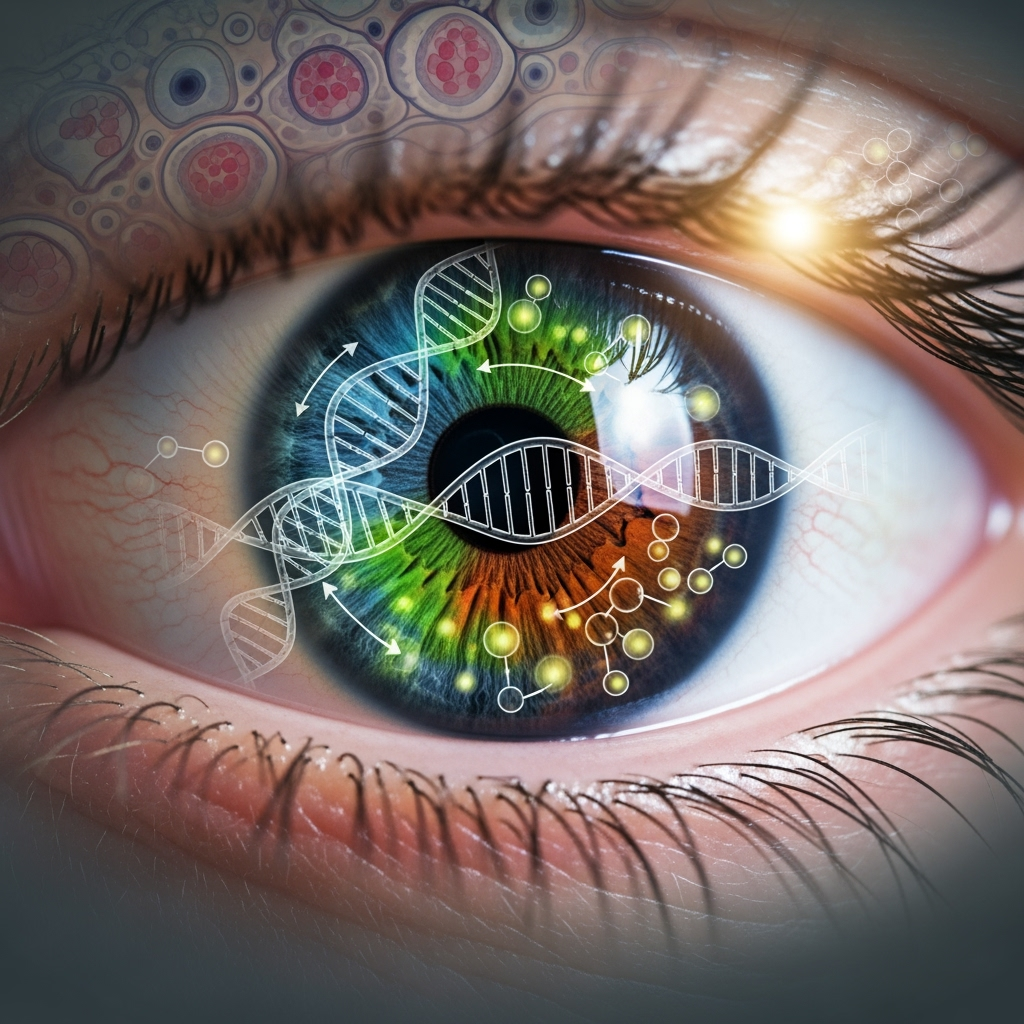
When you meet someone for the first time, their eyes often capture your attention, as each color from deep brown to icy blue and the rare changing green tells a unique story. While brown eyes get their dark color from a high concentration of melanin pigment, blue eyes are an optical illusion resulting from the interaction of light with the structure of the eye, according to the newspaper that reported on this topic. This scattering, known as the ‘Tyndall effect,’ occurs in the front layer of the iris, called the ‘stroma,’ which contains transparent collagen fibers. Because blue eyes contain a low amount of melanin, shorter light wavelengths, like blue, scatter more efficiently than longer wavelengths, giving them their distinctive color. Hazel eyes are more complex, resulting from uneven distributions of melanin forming a mosaic of colors that change with the surrounding light. This means that the genes underlying eye color are much more complex than previously thought.


 World
Meloni’s Shift in Ukraine Strategy
World
Meloni’s Shift in Ukraine Strategy Latest news
Salam Calls for Control Over National Territory
Latest news
Salam Calls for Control Over National Territory





