
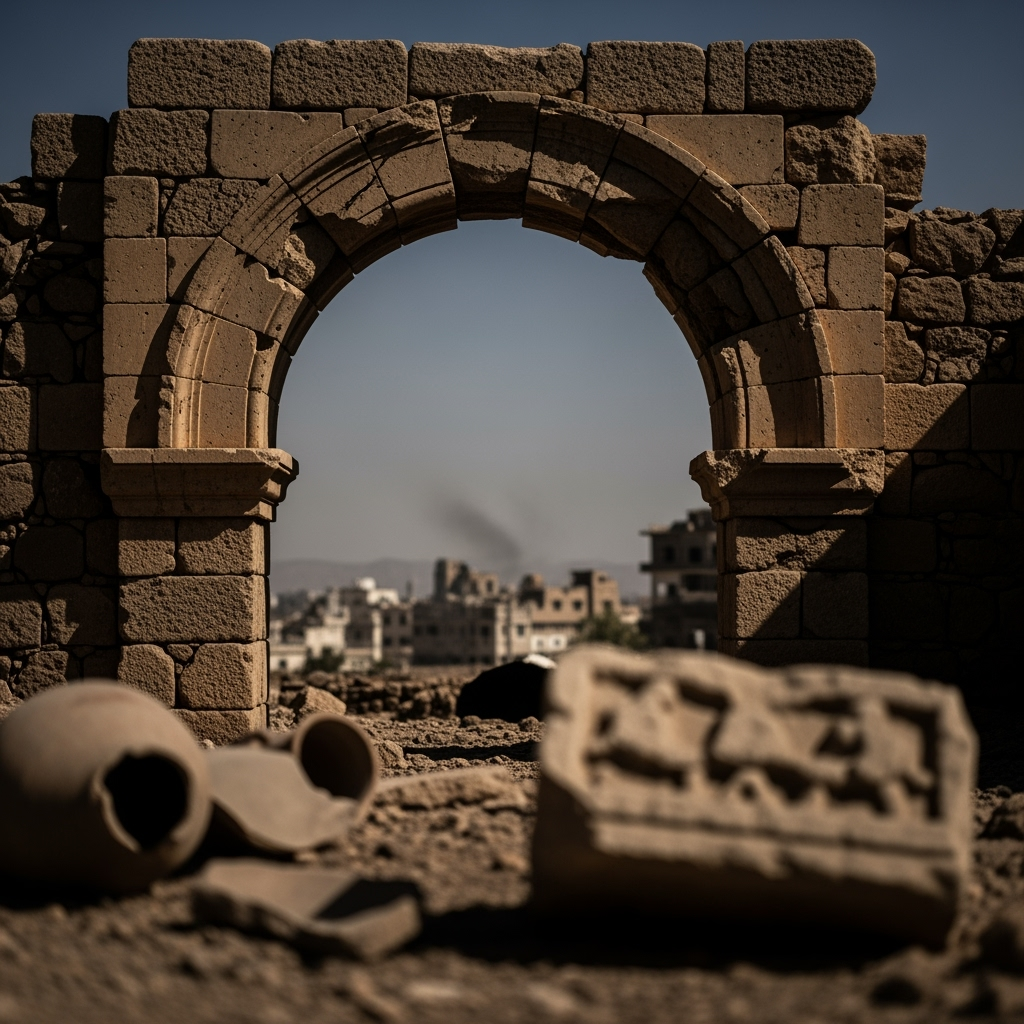
Al-Hajj stated in an interview with “Sputnik Radio”: “It is well-known that Yemen witnessed advanced civilizations in pre-Islamic times, such as the Kingdom of Saba, Qataban, Hadhramaut, Awsan, and Ma’in. All these kingdoms left behind glorious monuments, temples, palaces, and artifacts in various regions of Yemen. These artifacts include both standing archaeological sites and items like statues, inscriptions, and other relics.” According to Al-Hajj, these artifacts or funerary monuments are “not merely stones, statues, or funerary markers as some might think. Rather, they are concepts, culture, memory, and identity reflecting the values and authenticity of the Yemeni people, linking their present to their great past.” He emphasized that “these artifacts are part of the nation’s memory and national heritage, and losing them means losing the Yemeni identity and its rich history.” Al-Hajj explained that “there are numerous channels through which Yemeni artifacts are smuggled abroad, especially since the smuggling operations are organized by artifact traders in Yemen and their associates abroad.” He noted that “Yemeni artifacts are rich and diverse, and their prominent landmarks are visible, especially in the eastern valley cities that witnessed the passage of trade caravans and the establishment of the first Yemeni civilizations.” He added: “These archaeological sites are far from state oversight and suffer from neglect. Some residents, due to the tribal structure there, engage in digging at archaeological sites and smuggling artifacts, which has led to their loss. Especially since they possess modern equipment for excavation, making them capable of selecting suitable locations for artifacts without any oversight.” Regarding the arrival of Yemeni artifacts at global auctions despite international laws prohibiting illicit trade in artifacts, Al-Hajj confirmed that “the smuggling of artifacts and their appearance at global auctions happened at various stages, some during early periods when certain archaeological missions were present, and during the British occupation of Aden, where many Yemeni artifacts were confiscated.” On the cooperation between the Yemeni government and international organizations like “Interpol” and “UNESCO” to track smuggled Yemeni artifacts, Al-Hajj clarified that “there is cooperation, but it is very limited and barely noticeable,” citing “thousands of Yemeni artifacts that have been smuggled without any being recovered, including bronze statues, animal and human stone figures from alabaster, and gold pieces.” He stressed the necessity for “a real and strong commitment from the Yemeni government, as these are an essential part of Yemen’s wealth. Therefore, clear strategies and proper management are needed to address smuggled artifacts and recover them, and open cooperation channels with international organizations.” Al-Hajj added: “Otherwise, it is hard to currently say there is effective cooperation in this regard, as the Yemeni government should not turn a blind eye to this plundering and destruction, nor remain silent about the persistence of private collections and museums, both Arab and foreign.” Al-Hajj emphasized that “Yemeni archaeological sites and Musnad inscriptions are currently facing an existential struggle due to ongoing looting, destruction, and theft in broad daylight, even as they are sold at global auctions before everyone, despite embodying the authenticity and nobility of the Yemeni people and the advanced language, arts, and architecture reached by our ancestors.” He noted that “during the war on Yemen, archaeological sites were more vulnerable to looting and destruction, with many precious and rare artifacts being smuggled from various locations such as Ma’rib, Baihan, Harib, Marim, Hadhramaut, and other areas,” attributing the cause to “a lack of oversight on one hand, and political division on the other, which created an encouraging environment.”



-
 World
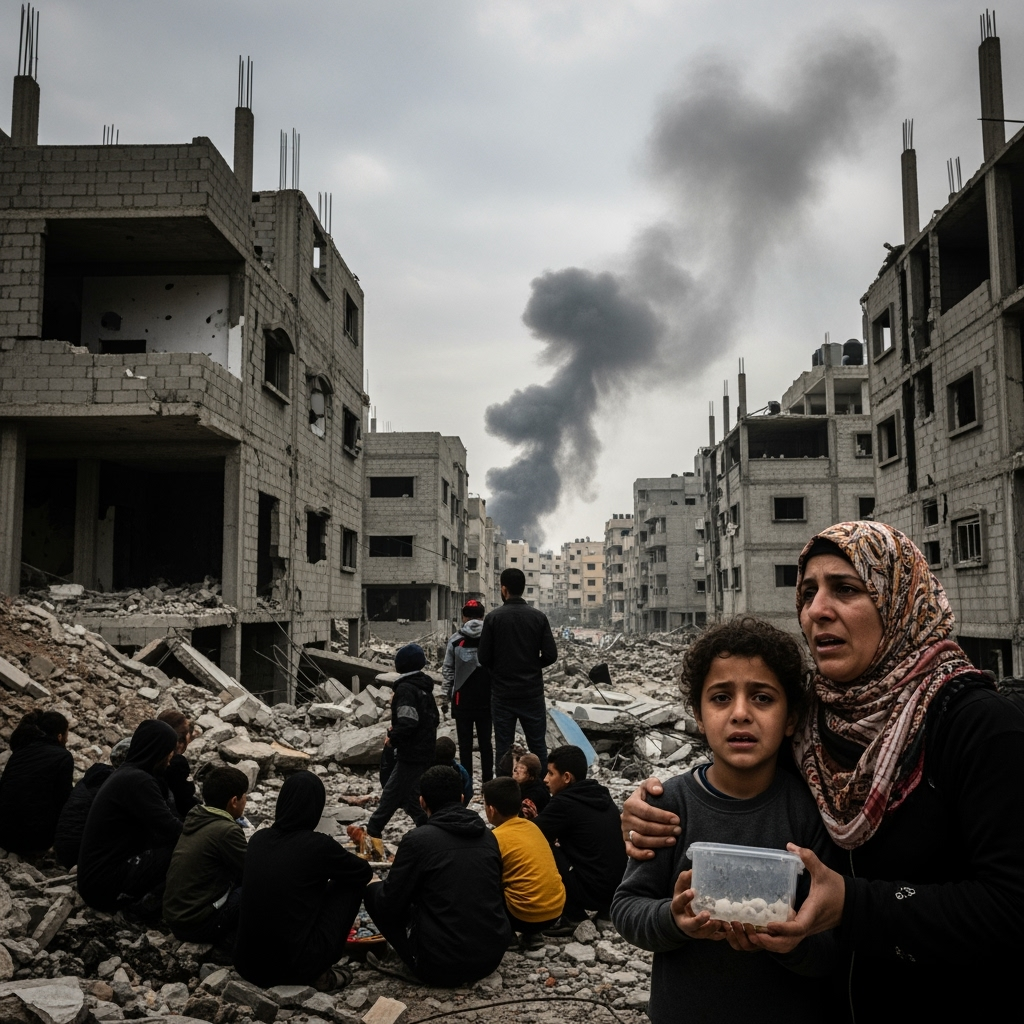
Escalation and Humanitarian Crisis in Gaza
World
Escalation and Humanitarian Crisis in Gaza01.09.2025
-
 World
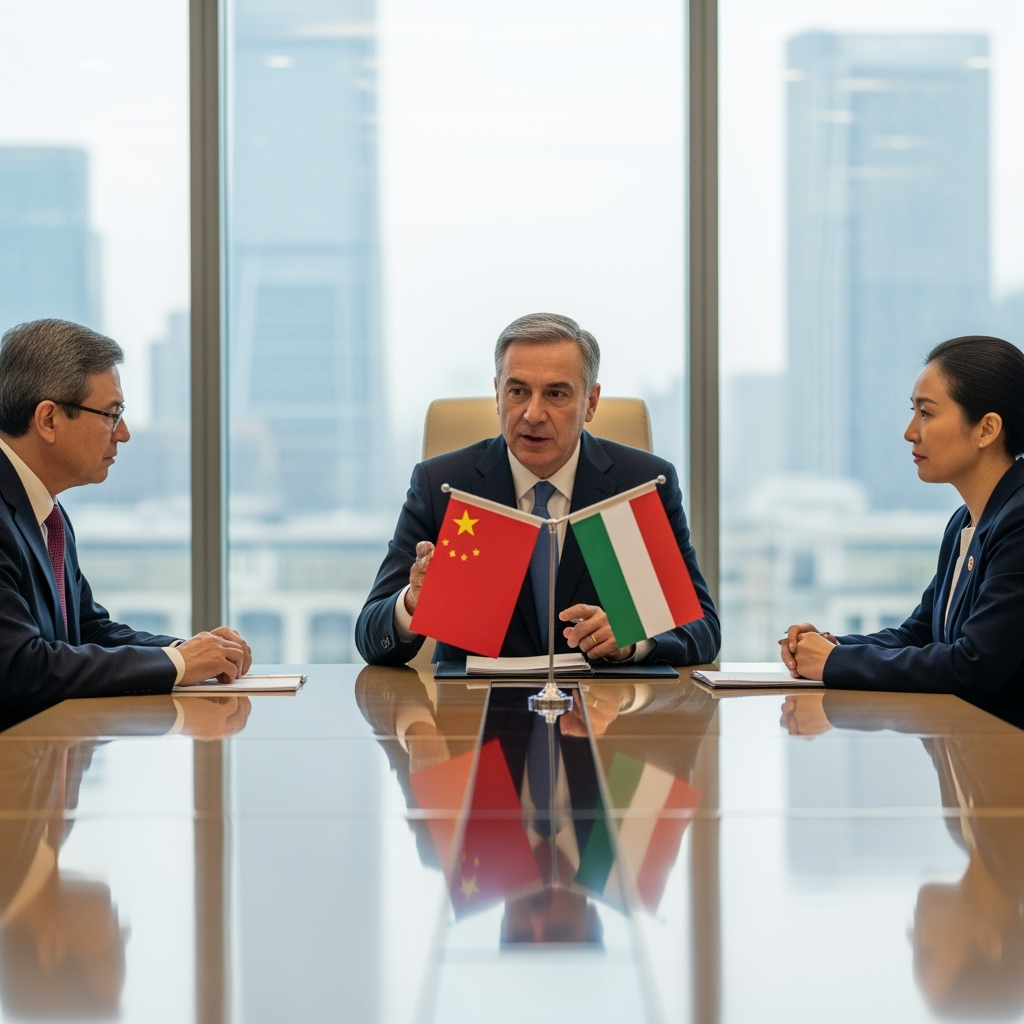
Seventh Trilateral Meeting in Beijing
World
Seventh Trilateral Meeting in Beijing02.09.2025
-
 Sports
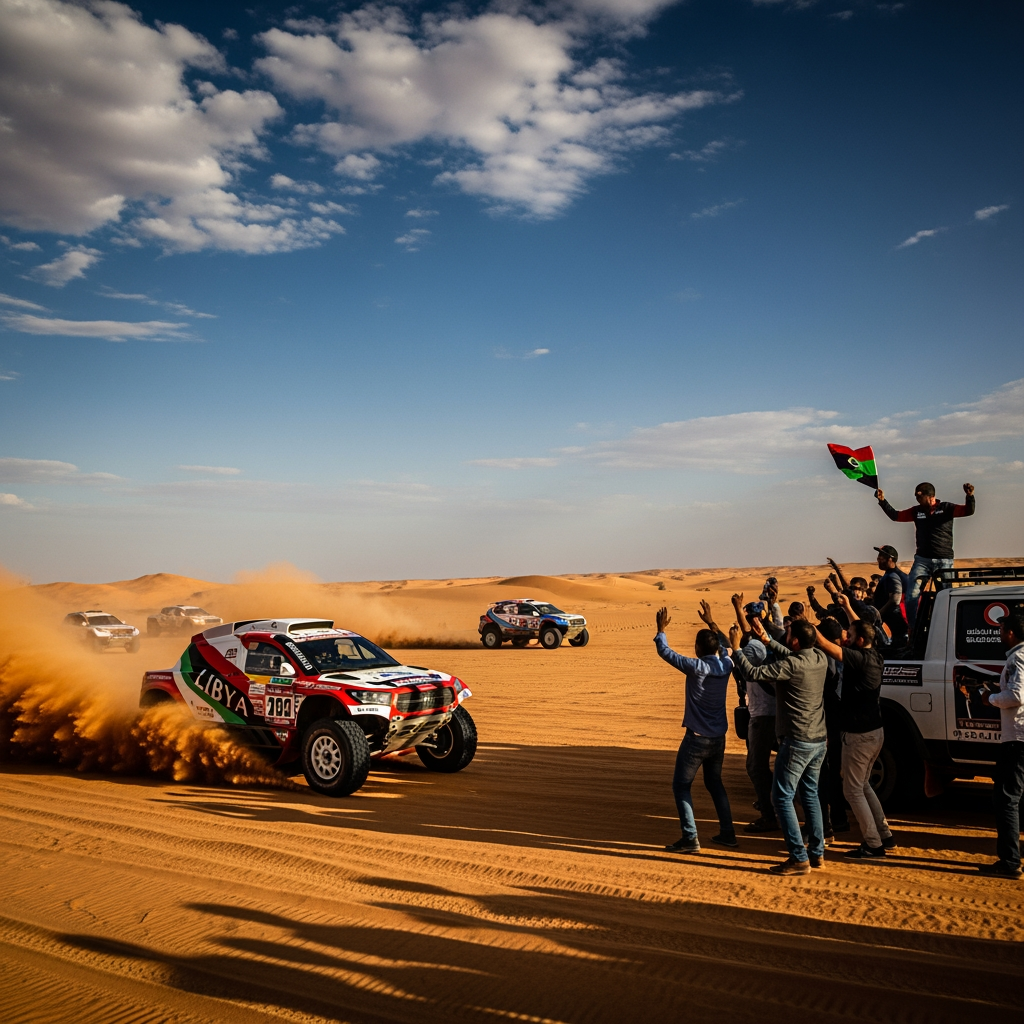
Libyan Desert Rally: A Celebration of Challenge and Unity
Sports
Libyan Desert Rally: A Celebration of Challenge and Unity07.11.2025






