Countries worldwide are increasingly integrating cryptocurrency into their national strategies, from Bitcoin bonds to large-scale initiatives. The UAE is leading the charge with a $50 million investment fund targeting long-term blockchain, Bitcoin, and tokenization projects.
“Our investments focus on stable projects that promise returns for the next 10-20 years,” said Abdullah Al Dhaheri, CEO of the Blockchain Centre Abu Dhabi. “We have faith in the future, whether it’s in remittances, tokenized digital assets, or Bitcoin as part of financial reserves.”
The UAE boasts one of the highest crypto adoption rates globally, with around 30% of residents engaged in digital assets. Abdullah noted the next big trend is digital asset remittances. “I’m intrigued about the future when fiat currencies diminish and stablecoins become the norm,” he added.
Stay informed with the latest updates. Follow KT on WhatsApp Channels.
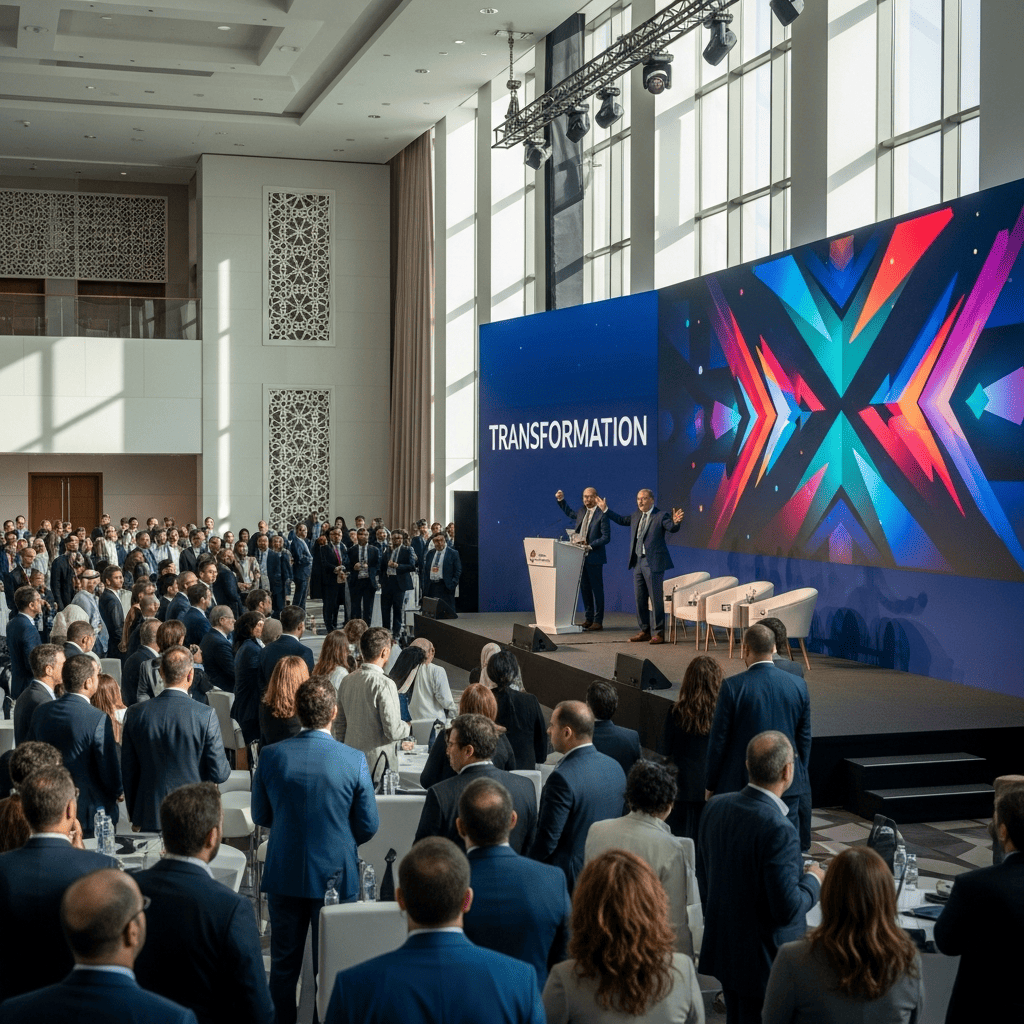
He spoke at the Bitcoin MENA conference, which commenced in Abu Dhabi on Monday, gathering investors, technologists, and policymakers from the region. He highlighted how UAE regulators collaborate with institutions and innovators to establish a clear and flexible framework. “Innovation will not be halted here,” he stated. “They adapt to the ecosystem.”
This cooperative strategy has positioned the UAE as one of the fastest-growing digital asset hubs globally.
Prince Filip of Serbia, Chief Strategy Officer at Bitcoin tech firm Jan3, pointed out that numerous countries are considering Bitcoin bonds to build reserves. These fixed-income tools enable governments to invest in Bitcoin and mining infrastructure without using taxpayer funds.
Pakistan’s strategic initiative
Earlier this year, Pakistan garnered attention by announcing the creation of a Bitcoin strategic reserve and allocating 2,000 megawatts of surplus energy to Bitcoin mining—enough to power two million homes. Bilal Bin Saqib, Minister of State for Crypto and Blockchain in Pakistan, discussed the country’s bold move to invest extensively in crypto.
“Our currency has suffered. Reviewing a decade-long trend, it’s depreciating. So why should our citizens bear the brunt of a foreign monetary policy? Why not embrace an asset unaffected by politics, inflation, or printing?” he inquired.
With over 40 million crypto wallets and one of the largest freelancer populations paid in stablecoins, Pakistan’s youth rapidly adopted digital assets. “We aim to make Pakistan a model of how surplus energy can be transformed into digital gold,” he said.
He expressed regret over not starting sooner. “Had we initiated this a few years back, our economic situation would be different today.”
Future prospects and challenges
Looking forward, Prince Filip predicted that smaller, liberal nations and monarchies might adopt Bitcoin quicker than Western nations. “I foresee the Global South taking the lead, as they have suffered most from fiat currency instability over the past century,” he remarked.
However, he cautioned that institutional resistance, particularly from the International Monetary Fund (IMF), remains a substantial hurdle. He cited El Salvador as an example.
“They were among the first major public adopters,” he noted. “In 2021, they declared Bitcoin as a legal medium of exchange and planned Bitcoin bonds to enhance their energy infrastructure. Nearly four years later, the IMF intervenes, urging them to cut back on Bitcoin adoption. Escaping the clutches of the fiat system is challenging.”