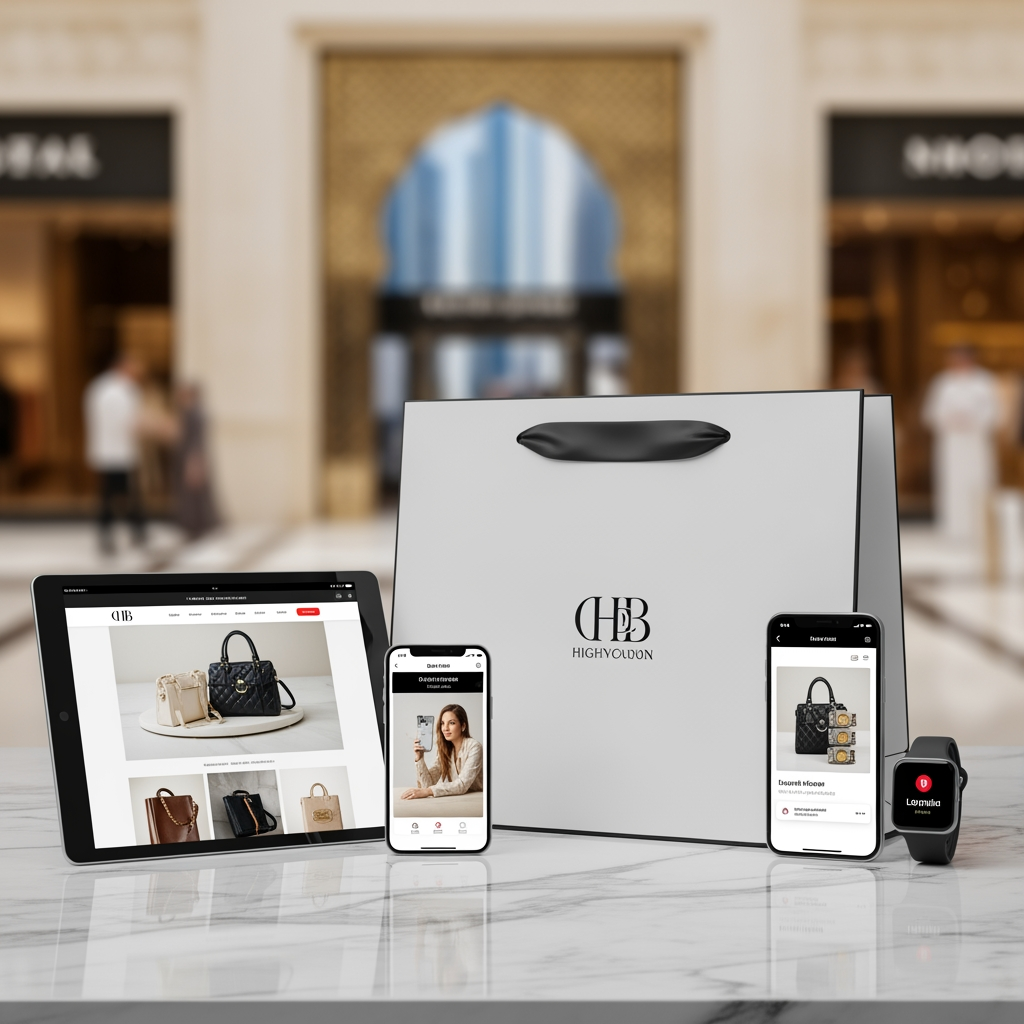
As the UAE solidifies its position as a global luxury hub, retailers are swiftly adapting to the needs of tech-savvy, experience-focused consumers. The luxury goods market is anticipated to grow at a 5.52% compound annual growth rate (CAGR), hitting $7 billion by 2033. Brands are increasingly adopting omnichannel strategies to blend online and offline experiences, enhancing operational efficiency.
Globally, omnichannel retail is pivotal in luxury strategies. McKinsey highlights that luxury brands are countering slowdowns by investing in seamless customer journeys and digital transformation. In the Asia-Pacific, omnichannel integration is at the forefront of retail innovation, with both store-based and non-store sales projected to rise by 2028. In the UAE, where 90% of luxury purchases are offline, the potential to connect digital and physical channels is vast.
Hugo Boss is at the forefront of this shift, partnering with Indian retail tech firm Fynd to implement a scalable omnichannel solution in the UAE. “Post-Covid, maintaining footfall has been challenging,” said Alessandro Bovone, Head of E-commerce GCC at Hugo Boss. “Technology is crucial for enhancing service, optimizing customer relationships, and improving in-store experiences.”
This partnership allows Hugo Boss to deliver a unified shopping experience, giving customers access to the complete product range across channels. “If a customer needs a jacket and their size isn’t available in-store, our system lets staff order it from another location and have it delivered to their home,” explained Ronak Modi, Chief Business Officer Global at Fynd. “If it doesn’t fit, they can return it without revisiting the store.”
This integration boosts customer satisfaction and streamlines operations. Bovone noted that the solution reduces separate e-commerce stock needs, improves stock rotation, and enables direct fulfillment from any inventory point. “E-commerce surged during COVID, but brands didn’t treat it like physical retail. Now, a comprehensive understanding across channels is necessary,” he said.
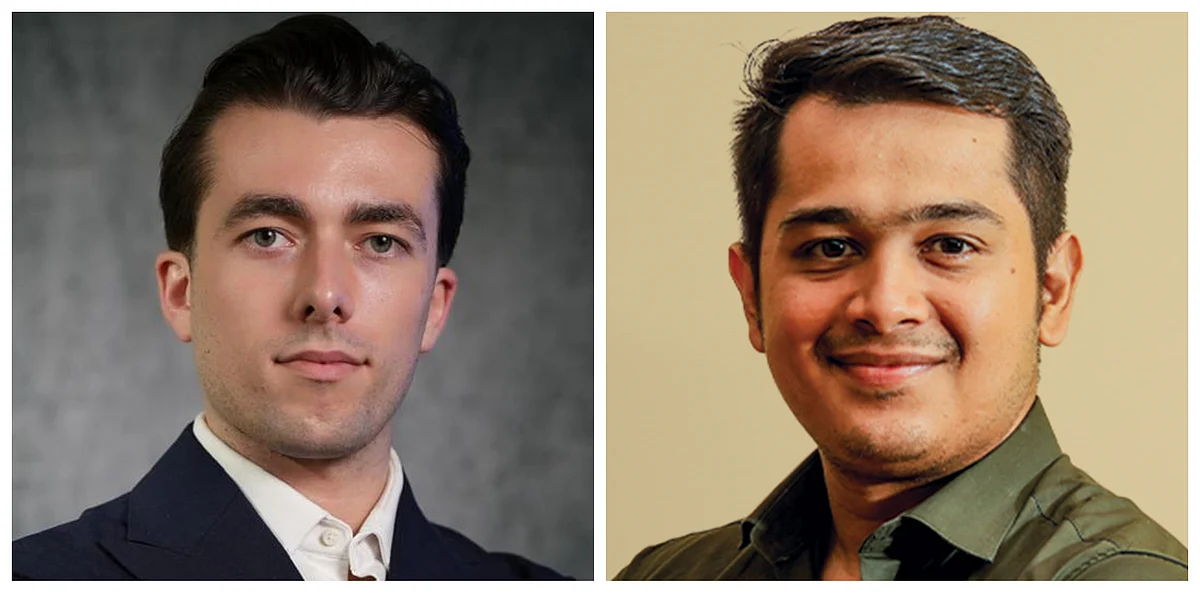
Alessandro Bovone (left) and Ronak Modi
The UAE’s luxury market is ideally positioned to benefit from these innovations. With Dubai and Abu Dhabi drawing millions of tourists yearly, luxury shopping is a key retail growth driver. High-net-worth residents, expatriates, and visitors sustain strong demand for premium goods, while the country’s young, digitally active population speeds up the shift toward experiential and personalized retail.
“Cost efficiency is crucial in the luxury sector,” Bovone added. “Companies often start by optimizing marketing and HR, but logistics and inventory rotation are the next frontier. Omnichannel is now essential, not optional.”
Modi agreed, highlighting the solution’s scalability. “With 90% of the UAE market still shopping offline, there’s a huge chance to merge retail and e-commerce into a unified channel over the next 12–24 months.”
As the UAE continues to grow as a global logistics and luxury retail hub, partnerships like Hugo Boss and Fynd mark a broader industry shift, where technology, efficiency, and customer focus redefine the luxury experience.